


Norway has steadily transformed into one of Europe’s most attractive environments for digital business. Known globally for its natural resources and high standard of living, the country is now gaining equal recognition for its technology-driven economy. Strong public institutions, widespread digital literacy, and a forward-looking regulatory framework have positioned Norway as fertile ground for innovation across a wide range of online sectors.
 Follow us
 Follow us
This shift is not accidental. It reflects years of strategic investment in infrastructure, education, and digital governance. As businesses increasingly seek stable, tech-ready markets, Norway stands out as a location where digital ventures can scale with confidence while maintaining credibility and consumer trust.
Even highly regulated online industries have adapted to this environment by focusing on transparency and information rather than aggressive promotion. Within the online casino space, for example, informational platforms such as Norske casino bonuser exist to help users understand available options in a compliant and user-focused way, illustrating how digital services align with national standards without dominating the wider economy.
Beyond this limited context, Norway’s appeal as a digital business hub is built on much broader foundations. From software development and fintech to content platforms and data-driven services, the country offers an ecosystem designed for long-term digital growth rather than short-term trends.
RECOMMENDED FOR YOU



Niobrix.co Review: Separating Trading Outcomes From Platform Functionality
Team SR
Apr 13, 2026
A Digitally Mature Society
One of the strongest drivers behind Norway’s digital momentum is its highly connected population. Internet access is near-universal, mobile usage is deeply embedded in daily life, and digital services are widely accepted across age groups. Consumers are comfortable using online platforms for banking, commerce, communication, and entertainment, creating a receptive audience for new digital products.
This digital familiarity reduces friction for businesses entering the market. Companies do not need to educate users on basic online behaviour, allowing them to focus instead on service quality, functionality, and value. At the same time, Norwegian users tend to be discerning, which encourages higher standards across the digital economy.
Public Services as a Digital Benchmark
Norway’s public sector has played a major role in shaping national digital expectations. Government services are widely delivered online, from tax reporting to healthcare access and municipal administration. Secure digital identification systems have become a routine part of everyday interactions with public institutions.
These systems establish a benchmark for privacy, reliability, and ease of use. Private digital businesses are expected to meet similar standards, which strengthens overall trust in online services. For companies capable of delivering secure and efficient platforms, this environment is highly supportive.
Regulatory Clarity and Business Stability
Digital entrepreneurs often cite regulatory uncertainty as a barrier to growth. Norway addresses this concern through clear, consistently enforced rules that balance innovation with consumer protection. Laws governing data handling, digital payments, and online services are transparent and predictable.
This stability allows businesses to plan with confidence. It also reduces reputational risk, as compliance is well defined and widely understood. Norway’s alignment with broader European regulatory frameworks further simplifies international operations, making the country an attractive base for companies with cross-border ambitions.
A Strong and Skilled Workforce
Norway benefits from a well-educated workforce with strong technical capabilities. The education system places significant emphasis on digital skills, engineering, and applied sciences, producing graduates well suited to modern online industries. English proficiency is high, which supports international collaboration and client engagement.
Remote work trends have enhanced this advantage. Digital businesses can access Norwegian talent without geographic constraints, while companies based in Norway can recruit globally without undermining operational efficiency. This flexibility is particularly valuable for technology-driven enterprises.
Innovation Across Diverse Digital Sectors
While Norway’s economy has long been associated with energy and maritime industries, digital transformation is reshaping these sectors from within. At the same time, entirely new online-focused industries are emerging, including fintech solutions, cloud-based software services, and specialised content platforms often powered by artificial intelligence like OpenAI's flagship model ChatGPT..
This diversity strengthens the overall digital ecosystem. It reduces dependence on any single industry and encourages collaboration across sectors, where tools and ideas developed in one area can be applied in another.
Trust as a Competitive Advantage
Trust is a central feature of Norway’s digital environment. Consumers generally feel confident engaging with online services that demonstrate transparency and regulatory compliance. This trust lowers barriers to adoption and supports long-term customer relationships.
Payment infrastructure reinforces this confidence. Secure electronic identification and efficient digital transfer systems are widely used, reducing friction for both businesses and users. For digital companies, this translates into smoother transactions and lower operational risk.
Government Support for Sustainable Innovation
Norwegian authorities actively encourage digital innovation through grants, research funding, and public-private partnerships. These initiatives prioritise sustainability, ethical business practices, and long-term value rather than rapid but fragile expansion.
This approach aligns with global shifts toward responsible technology development. Businesses operating within Norway often benefit from an association with quality, reliability, and thoughtful governance, attributes that resonate strongly with international partners.
A Strategic Nordic Base
Norway’s position within the Nordic region further enhances its appeal. Similar consumer behaviour, digital maturity, and regulatory approaches across neighbouring countries make regional expansion more straightforward. Companies can test and refine products in Norway before scaling into closely aligned markets.
At the same time, Norway’s strong global reputation supports international credibility. Digital businesses are not limited by geography, and a Norwegian base can serve as a trusted platform for reaching customers far beyond Scandinavia.
Looking Ahead
Norway’s rise as a digital business hotspot reflects deliberate policy choices, cultural readiness, and sustained investment in technology. While niche online sectors continue to adapt to national frameworks, the broader digital economy offers opportunities across a wide range of industries.
For entrepreneurs and established companies alike, Norway represents more than a safe option. It is a strategic environment for building digital businesses that value trust, stability, and long-term growth in an increasingly competitive global landscape.
Recommended Stories for You

Team SR Oct 16, 2025




Team SR Mar 20, 2026

Team SR Apr 1, 2026
Trending Stories

Understanding biometric security and Nedap Security Management

From Agency to Independent Studio: Building a Creative Practice With Intention

Career Change After 40: Proven Strategies for Professionals Seeking Meaningful Work

From Classroom to C-Suite: How Student Entrepreneurs Can Turn Academic Projects into Startup Success Stories
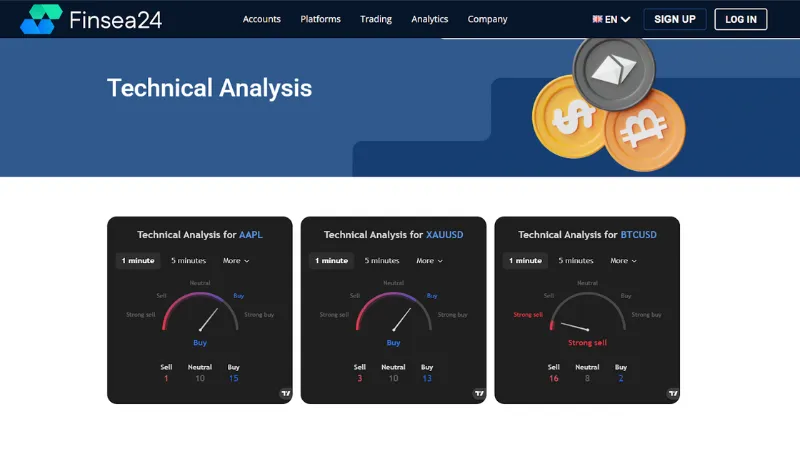
Finsea24 Review: Tips to Navigate Through Forex Market Volatility [finsea24.com]

Mistakes to Avoid When You Rent a Convertible Car in Dubai for a Short Trip

CoinKnow Review 2026: Is This the Best Coin Identifier App for US Coin Beginners?

Best Instagram Video Downloaders in 2026