

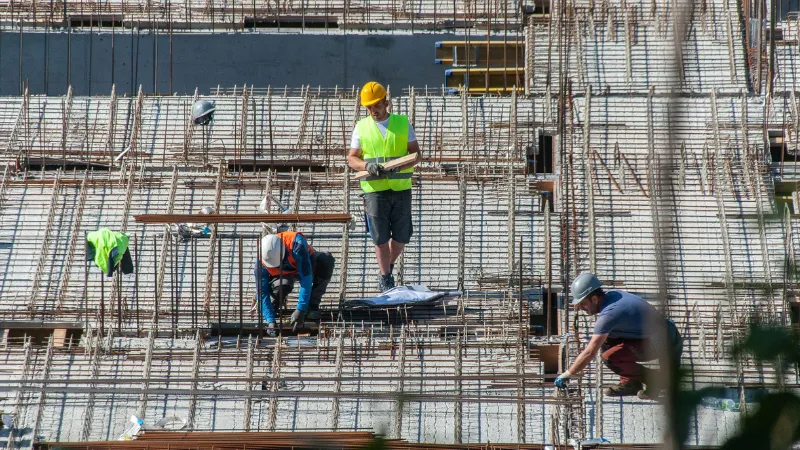
Construction failures rarely begin with a hammer or a saw. They start earlier. They start in conversations that never happened. In plans that were rushed. In questions that were never asked. By the time work begins, many outcomes are already locked in.
 Follow us
 Follow us
This is not about bad workers. It is about weak preparation.
The Planning Gap No One Talks About
Most people think construction problems come from poor skill. That is only part of the story. The bigger issue is unclear thinking at the start.
According to the U.S. Federal Trade Commission, home improvement and construction complaints are among the top consumer complaint categories every year. The most common issues are not collapsed roofs. They are disputes over scope, timelines, and expectations.
RECOMMENDED FOR YOU



That tells us something important. Confusion beats craftsmanship as the root cause.
When plans are vague, work becomes reactive. When work becomes reactive, mistakes follow.
The First Mistake: No Clear Scope
A scope explains what will happen. It explains what will not happen. Many projects start without one.
People say things like “replace the roof” or “fix the siding.” Those phrases hide dozens of decisions. Material type. Removal methods. Flashing details. Waste handling. Timing.
When those details are missing, everyone fills in the blanks differently.
One contractor may assume gutters stay. Another assumes they go. The homeowner assumes something else entirely.
That gap creates friction before the first nail is driven.
What to Do Instead
Write it down. One page is enough. List every task. List what is excluded. Ask someone else to read it. If they have questions, the scope is not ready.
The Second Mistake: Treating Parts Like Islands
Buildings are systems. Water does not care about job titles. It follows gravity and gaps.
Roofing, siding, framing, and gutters interact every day. If one fails, the others absorb the damage.
Industry studies on building failures show that water intrusion is one of the leading causes of structural damage. Once water enters a wall or roof system, repair costs rise fast.
Many problems blamed on roofing are actually drainage failures. Many framing issues start with poor flashing.
This is why experienced builders think in flows, not tasks.
A project that ignores this connection is already behind.
The Third Mistake: Speed Over Clarity
Fast decisions feel productive. They are not.
Rushed planning creates hidden debt. That debt is paid later with delays, rework, and stress.
In commercial construction, speed without planning can shut down a site. That discipline rarely carries into residential work.
One contractor shared a story from early in his career. A client pushed for speed. Details were skipped. The job finished early. Six months later, leaks appeared. The fix took longer than the original build.
Speed hid the problem. Time revealed it.
What to Do Instead
Pause before committing. If a decision cannot be explained simply, it is not ready. Clarity beats momentum every time.
The Fourth Mistake: No Shared Timeline
Timelines fail when they live in someone’s head.
People assume start dates mean finish dates. They do not. Weather delays. Material delays. Inspection delays.
According to industry surveys, schedule misunderstandings are a leading cause of contractor disputes. Not missed deadlines. Misunderstood ones.
When timelines are vague, trust erodes.
What to Do Instead
Ask for milestones, not just dates. What happens first. What follows. What can change. Write it down. Review it weekly.
The Fifth Mistake: Silence During the Build
Silence feels polite. It is not helpful.
Many clients stay quiet to avoid conflict. Many contractors stay quiet to avoid delay. Both choices backfire.
One builder described a job where a framing issue was noticed early. No one spoke up. It was “close enough.” Months later, finishes failed. Fixing it meant undoing finished work.
Silence turned a small issue into a big one.
What to Do Instead
Create a rule. If something feels off, it gets discussed within 24 hours. No blame. Just facts.
Data That Shows Why This Matters
- FTC data shows construction complaints rank near the top of consumer issues every year
- Insurance studies link water intrusion to some of the highest repair costs in residential buildings
- Industry reports show rework can add 5–15% to total project cost
- Most disputes cite communication failure, not technical skill, as the trigger
These numbers point to one thing. The real work happens before the work.
The Role of Better Questions
Good questions act like software updates. They fix bugs early.
Examples of questions that change outcomes:
- How does water move off this building
- What happens if this step is delayed
- Which parts depend on each other
- What assumptions are we making
These questions slow things down at first. They speed things up later.
This is where firms like GL Construction of Madison focus much of their energy. Not on selling. On explaining. On making systems visible before problems appear.
A Simple Pre-Work Checklist
Use this before any project starts.
Clarify the Work
- What is included
- What is excluded
- What could change
Map the System
- How water moves
- How parts connect
- Where failures usually start
Lock the Process
- Written scope
- Written milestones
- Agreed communication rules
Prepare for Reality
- Weather delays
- Material delays
- Inspection timing
If any item feels unclear, stop.
Why This Feels Like a Tech Problem
In tech, bugs found early are cheap. Bugs found late are expensive.
Construction works the same way.
Planning is debugging. Questions are tests. Clarity is version control.
Skipping those steps leads to crashes. Not on a screen. In a building.
That is why preparation matters more than tools.
The Final Takeaway
Most construction problems are predictable. They follow patterns. They start with assumptions.
Fixing them does not require new materials or new machines. It requires better thinking earlier.
Slow down. Ask better questions. Write things down.
The build will thank you later.
Recommended Stories for You
Team SR Dec 16, 2025

Team SR Jan 15, 2026

Team SR Mar 24, 2026

Team SR Dec 22, 2025

Team SR Nov 19, 2025

Team SR Dec 4, 2025
Trending Stories

Why a Security-First Culture Matters in Early-Stage Companies

How In-App Communities Turn Engagement into Revenue

The 5 Best Three Pocket Apron Brands For Your Hospitality Business
Top Tips for Building Up Your Welding Business
How Smarter Energy Choices Are Changing the Way We Live

Connecting Your Monitor with Reliable Video Quality

Designing Work Around Life: Rethinking Flexibility in Global Teams

How Structured Data and Local Signals Work Together to Boost Visibility