

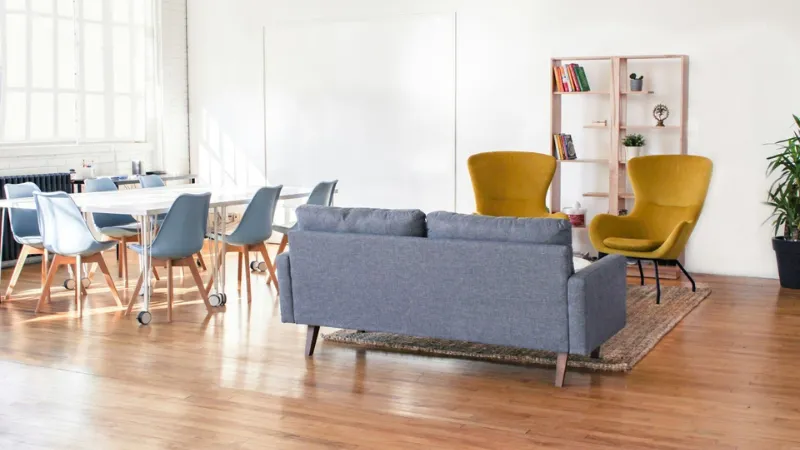
Furniture shopping is a balance between rationality and feelings. It is necessary to have a dining table to fit a room, but also to fit a life. A sofa has to be equal to a wall, but equal to a mood at the same time. The story was long attempted to be conveyed with photos and short videos, but only on the surface. Interactive 3D experiences go deeper. They let shoppers step into a future version of their home and try it on, piece by piece. That simple shift, from watching to exploring, changes everything.
 Follow us
 Follow us
After the first few minutes of play, something subtle happens. The mind stops asking, “What if this works?” and starts thinking, “How will this look tonight?” This is where decisions begin to feel safe.
A showroom that lives in the pocket
Traditional showrooms are limited by walls and space. Interactive 3D breaks those limits. A single phone can hold thousands of sofas and tables, each ready to appear at true size in any room through augmented reality services. Instead of guessing whether a couch will block a window or if a shelf will crowd a doorway, shoppers can see it instantly inside their own space.
This pocket-sized showroom is always open. It works at midnight and on slow Sundays. More time to explore means more chances to connect with a piece and imagine how it will live in a real home.
RECOMMENDED FOR YOU



The Most Common Roadside Emergencies — And How Towing Professionals Solve Them
Team SR
Mar 14, 2026
When the brain feels ownership
A strange thing happens when a person places a virtual chair in a real corner of a living room. The chair starts to feel like it already belongs there. Even though it is only pixels, the brain reacts as if it is real. This sense of early ownership makes the item more valuable.
Flat images cannot do this. They show an object, but they do not let it enter a space. 3D does. When shoppers move a table, rotate a lamp, or change the fabric on a sofa, they are shaping their own environment. That act of shaping creates attachment, and attachment leads to action.
Fewer doubts, faster decisions
One of the biggest enemies of furniture sales is doubt. “Will it fit?” “Will it clash?” “Will it look cheap?” Interactive 3D answers these questions before they grow too loud. True-to-scale models show exactly how large or small a piece is. Realistic lighting reveals how colors shift from morning to evening.
With these answers in hand, shoppers stop circling and start choosing. The buying path becomes shorter because the fog has lifted. Clear vision leads to clear decisions.
Play turns into discovery
People enjoy playing more than pressure. Interactive 3D turns shopping into a kind of game. A user might begin by trying a safe color, then tap a bold one just to see what happens. That bold choice might suddenly feel right.
This playful testing leads to surprises. Shoppers often discover styles they never planned to like. A modern chair might win over a lover of classic looks. A bright rug might bring life to a quiet room. Each small experiment adds energy to the process and keeps users engaged longer.
A shared vision for families and friends
Furniture choices are rarely made alone. Partners and family members all have a say. Interactive 3D makes these talks easier. Instead of arguing over flat pictures, people can look at the same virtual setup in a real room.
“Does this table block the walkway?” becomes a quick check instead of a long debate. “Is this color too dark?” is answered by seeing it in place. This shared vision speeds up agreement.
Online and in-store, finally aligned
Physical stores offer touch and texture, but they cannot show every option. Digital stores offer endless choice, but no feel. Interactive 3D connects the two. A shopper might touch a fabric in a store, then explore dozens of colors and shapes on a screen right beside it.
Sales teams also gain a powerful tool. They can create a room with the customer in real time as opposed to flipping through catalogs. This will make selling more of a guide, and the experience will be more comfortable and trusted.
Smarter products through real behavior
Every move inside a 3D viewer tells a story. Brands can see which styles people rotate the longest, which colors get swapped most, and which designs are often placed in rooms.
With this insight, companies can refine what they make and how they show it. If many users replace short sofa legs with taller ones, future designs can follow that trend. Products become closer to what people truly want.
Conclusion
Interactive 3D experiences do more than display furniture. They let people live with it before they buy it. By blending real spaces with digital objects, these tools replace guesswork with confidence and turn shopping into a creative act. Doubt fades, and choices feel personal.
In a world where homes reflect identity, being able to test that identity in advance is powerful. When shoppers can see their future rooms clearly, they step into them with ease, and the path from interest to purchase becomes not just shorter, but far more joyful.
Recommended Stories for You

Team SR Mar 5, 2026

Team SR Dec 20, 2025
Team SR Nov 21, 2025

Team SR Mar 20, 2026

Team SR Apr 1, 2026

Trending Stories
How In-App Communities Turn Engagement into Revenue

Why a Security-First Culture Matters in Early-Stage Companies

Connecting Your Monitor with Reliable Video Quality

Top Tips for Building Up Your Welding Business

The 5 Best Three Pocket Apron Brands For Your Hospitality Business

Designing Work Around Life: Rethinking Flexibility in Global Teams

How Structured Data and Local Signals Work Together to Boost Visibility

What Is an Online Business Networking Platform and How Does It Work?