

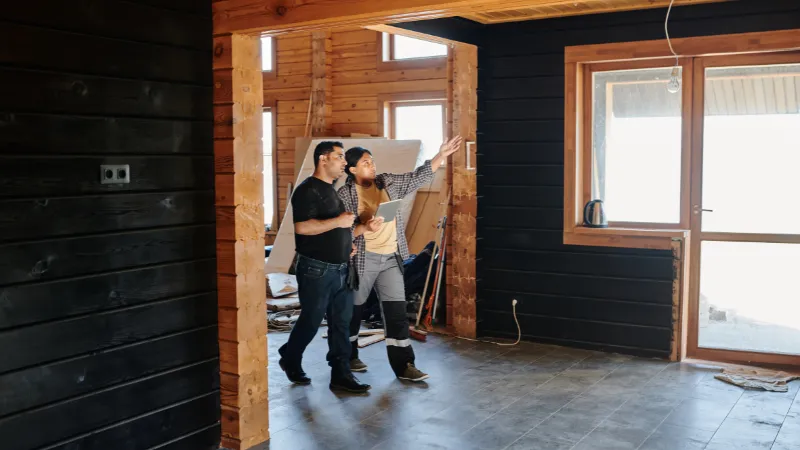
Home remodeling looks simple from the outside. Pick a design. Hire a contractor. Wait for the results.
 Follow us
 Follow us
Reality is different.
A renovation project involves dozens of small decisions. Materials must arrive on time. Trades must work in the right order. Measurements must be exact. If one step slips, the whole schedule moves.
Hands-on oversight is the difference between a smooth project and a stressful one.
RECOMMENDED FOR YOU


The Most Common Roadside Emergencies — And How Towing Professionals Solve Them
Team SR
Mar 14, 2026

7 Situations Where a Licensed Insolvency Trustee Can Help Clarify Your Options
Team SR
Jan 27, 2026
In a world where many projects are managed from a distance, direct supervision still solves the most problems. It keeps mistakes small and communication clear.
Remodeling Is a High-Risk Industry
Home improvement remains one of the most complaint-heavy industries in North America.
According to the Consumer Federation of America, home improvement consistently ranks as the number one category of consumer complaints. The Better Business Bureau reports more than 30,000 complaints each year related to contractors and remodeling services.
The reasons are predictable:
- Poor communication
- Unclear project scope
- Schedule delays
- Cost surprises
- Workmanship issues
Most of these problems share the same root cause. No one is watching the details closely.
Oversight Prevents Small Problems from Becoming Big Ones
Construction work happens in layers. Framing happens before drywall. Plumbing before tile. Electrical before cabinets.
If something goes wrong early, the mistake spreads.
A mismeasured wall can force cabinets to be cut down. A late delivery can delay three trades. A forgotten outlet can require tearing into finished drywall.
Active oversight catches these issues early.
When someone experienced is on-site regularly, problems get solved the same day they appear.
Remodeling Projects Involve More People Than You Think
A single kitchen renovation can involve several trades:
- demolition crew
- framing carpenter
- plumber
- electrician
- cabinet installer
- tile setter
- painter
Each group works at different times. They depend on the previous step being correct.
Without clear supervision, confusion spreads quickly.
One experienced builder once described it this way:
“I walked into a job where the cabinets had arrived before the electrical rough-in was done. The installers had to leave. The electrician had to come back later. That one mistake pushed the project back two weeks.”
Direct oversight keeps this chain organized.
Someone must track who arrives when, what materials are ready, and what work must be finished before the next step begins.
Communication Breakdowns Cause Most Renovation Stress
A survey from Houzz found that 36% of homeowners reported significant stress during renovation projects. The biggest complaints were delays and unexpected changes.
These issues often come from unclear communication.
Homeowners talk to salespeople. Salespeople talk to project managers. Project managers talk to subcontractors.
Information gets lost in the process.
Hands-on oversight reduces this chain.
When the same person manages planning, estimating, and supervision, fewer details get lost.
One contractor explained it this way:
“I’ve walked into projects where the homeowner thought they were getting a window seat and the carpenters had plans showing a cabinet. Nobody compared the drawings before the work started.”
A quick walk-through at the beginning could have avoided the mistake.
The Rise of Remote Project Management
Large remodeling companies often rely on layered management systems.
Sales teams close deals. Project managers oversee multiple sites. Field supervisors rotate between jobs.
This model works at scale, but it also creates distance between decisions and the job site.
In many cases, the person who sold the project never returns once construction begins.
That gap can cause confusion.
Direct supervision solves the issue.
One industry veteran, Rick Bainbridge Crew, once described a job where a homeowner expected a six-foot island.
“When I arrived at the site, the cabinet order showed five feet. That difference sounds small. But it would have ruined the flow of the kitchen. We fixed the order before the cabinets shipped. If nobody checked, the mistake would have cost thousands.”
Small checks like this protect homeowners.
Why Experience Matters in Oversight
Supervision is not just about being present. It requires experience.
Someone must understand how different trades interact.
For example:
- tile installation affects floor height
- floor height affects appliance placement
- appliance placement affects cabinet spacing
These relationships are easy to miss for someone without field experience.
Experienced supervisors notice problems early because they have seen them before.
One builder shared a story about a bathroom remodel:
“The plumber installed the shower valve half an inch too far forward. If we had tiled over it, the trim plate wouldn’t sit flush. We caught it before tile went up. It took fifteen minutes to fix. After tile, it would have required tearing the wall open.”
Oversight saves time and money because it prevents rework.
Practical Steps Homeowners Can Take
Homeowners can improve project outcomes by asking simple questions.
Ask Who Will Supervise the Project
Many homeowners assume the person they met during the estimate will manage the project.
That is not always true.
Ask directly:
- Who will supervise the job site?
- How often will they visit?
Walk the Space Before Work Begins
A walk-through helps clarify details.
Stand in the room. Discuss measurements. Confirm placement of fixtures, cabinets, and outlets.
This step prevents misunderstandings.
Document the Project Scope
Every project should include a written scope of work.
It should list:
- materials
- measurements
- fixtures
- finishes
Clear documentation prevents confusion later.
Schedule Regular Checkpoints
Large projects benefit from scheduled reviews.
Examples include:
- demolition complete
- framing complete
- rough electrical and plumbing complete
- cabinets installed
These checkpoints allow adjustments before work continues.
Focus on Clarity Instead of Speed
Many renovation mistakes happen because schedules move too fast.
Slowing down during planning saves time during construction.
The Bottom Line
Home remodeling is complex. It involves many people and many steps.
Without clear oversight, small mistakes grow into large problems.
Hands-on supervision keeps projects organized. It improves communication. It catches issues early.
Technology may change tools and materials, but one principle remains constant.
Someone must be responsible for the details.
When that person is present and experienced, renovation projects run better.
Recommended Stories for You


Team SR Jan 13, 2026

Team SR Oct 13, 2025

Team SR Mar 9, 2026

Team SR Oct 10, 2025

Trending Stories

The Quiet Wins: Why the Best Work in Real Estate Often Goes Unnoticed
Top Tips for Building Up Your Welding Business

How Structured Data and Local Signals Work Together to Boost Visibility

5 Reasons Why Cultural Sensitivity is So Important in Business

Designing Work Around Life: Rethinking Flexibility in Global Teams

Why a Security-First Culture Matters in Early-Stage Companies

What Is an Online Business Networking Platform and How Does It Work?

Connecting Your Monitor with Reliable Video Quality