


Retail is no longer just about shelves and transactions. It is about experience, atmosphere, and how a space makes people feel. One of the most powerful yet often underestimated contributors to this shift is food and drink. From cafés inside shops to complimentary refreshments and carefully curated menus, food and drink now play a central role in how customers engage with retail environments.
 Follow us
 Follow us
This change is not accidental. It reflects how people want to shop, spend time, and connect with brands.
Reason 1: Retail Has Become a Destination, Not a Task
Shoppers are no longer focused solely on speed and efficiency. Many now visit retail spaces as part of a day out rather than a quick errand. Food and drink transform a shop from a place to buy into a place to stay.
RECOMMENDED FOR YOU



When customers can pause for a drink or a meal, retail becomes more relaxed and enjoyable. This encourages longer visits, deeper engagement, and a stronger emotional connection to the space.
Reason 2: Food Creates Natural Pause Points
Retail environments can be overwhelming. Visual displays, choices, and movement demand attention. Food and drink create natural moments of rest within that experience.
A café area allows customers to reflect on what they have seen, discuss purchases, or simply enjoy being present in the space. These pauses reduce decision fatigue and make the overall experience feel more balanced.
Reason 3: Social Interaction Drives Footfall
Food and drink bring people together. Retail spaces that offer cafés or refreshment areas naturally become social hubs. Friends meet there, families linger longer, and conversations flow more easily.
This social element increases footfall and repeat visits. People return not just for products, but for the atmosphere and familiarity that food and drink help create.
Reason 4: Enhancing Brand Identity Through Taste
What a retail space serves communicates just as much as what it sells. Quality food and drink signal care, attention to detail, and an understanding of customer expectations.
Choosing the right partners matters. Working with Ringtons as cafe suppliers for garden centres allows retailers to align their refreshment offering with the same quality and trust customers expect from the wider retail experience.
Reason 5: Encouraging Longer Dwell Time
Time spent in-store has a direct impact on purchasing behaviour. Customers who stay longer are more likely to explore, discover new products, and make considered buying decisions.
Food and drink encourage this naturally. A cup of tea or light meal extends visits without feeling forced, supporting a more organic and enjoyable shopping journey.
Reason 6: Supporting Seasonal and Lifestyle Retail
Retail spaces connected to lifestyle and leisure benefit particularly from food and drink integration. Garden centres are a clear example. Customers often browse at a slower pace, seeking inspiration rather than urgent purchases.
A café complements this mindset perfectly, reinforcing the idea of the space as somewhere to relax, explore, and enjoy time rather than rush through it.
Reason 7: Food Builds Emotional Memory
People remember how a place made them feel. A welcoming café, a good cup of tea, or a comfortable seating area all contribute to positive memory. These emotional associations influence whether customers return.
Food and drink turn retail visits into experiences worth repeating, strengthening loyalty without relying on discounts or promotions.
A Strategic Shift, Not an Add On
Food and drink are no longer secondary considerations in retail design. They are strategic tools that shape behaviour, atmosphere, and brand perception.
As retail continues to evolve, spaces that successfully integrate quality food and drink will stand out. They meet customers where they are, offering not just products, but moments of enjoyment that keep people coming back.
Recommended Stories for You

Team SR Sep 19, 2025

Team SR Jan 30, 2026

Team SR Nov 11, 2025
Team SR Mar 18, 2026


Team SR Jan 27, 2026
Trending Stories
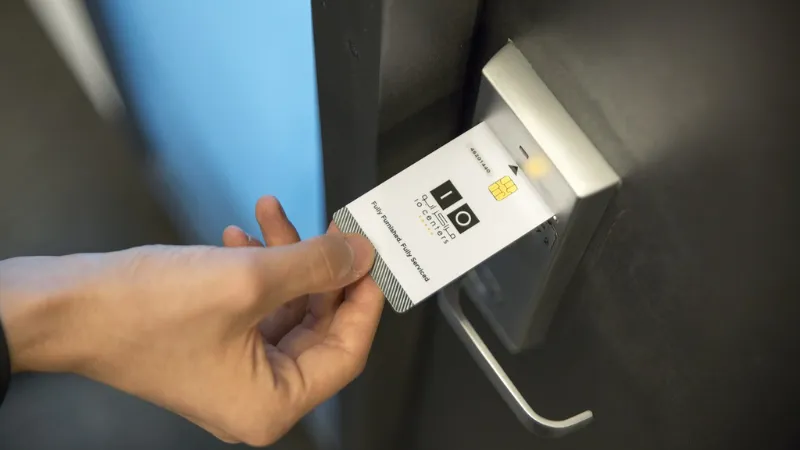
Understanding biometric security and Nedap Security Management

Career Change After 40: Proven Strategies for Professionals Seeking Meaningful Work

From Agency to Independent Studio: Building a Creative Practice With Intention

From Classroom to C-Suite: How Student Entrepreneurs Can Turn Academic Projects into Startup Success Stories

CoinKnow Review 2026: Is This the Best Coin Identifier App for US Coin Beginners?

Mistakes to Avoid When You Rent a Convertible Car in Dubai for a Short Trip

Finsea24 Review: Tips to Navigate Through Forex Market Volatility [finsea24.com]

Best Instagram Video Downloaders in 2026