

Why Face-to-Face Sales Still Outperform Online-Only Channels in High-Trust Markets
Mar 18, 2026 | By Team SR

In many industries today, companies are racing to automate sales and remove human interaction. Speed and scale are often treated as the highest priorities. Yet in high-trust markets, where customers are making meaningful decisions, face-to-face sales continue to outperform online-only channels. The reason is simple. Trust is built between people, not screens.
 Follow us
 Follow us
This article explains why in-person sales remain effective, how trust shapes buying decisions, and why human connection still matters in modern commerce.
The Role of Trust in High-Value Decisions
High-trust markets include industries where customers must feel confident before committing. These decisions often involve long-term use, financial responsibility, or personal impact. When risk is involved, buyers want clarity, reassurance, and accountability.
Trust is not created by information alone. It is created through tone, body language, listening, and real conversation. Face-to-face interaction allows buyers to ask questions freely, read intent, and feel heard. This process lowers uncertainty and builds confidence in the final decision.
RECOMMENDED FOR YOU

Online-only channels struggle in these situations because they remove the human element that signals care and responsibility.
Why Human Connection Still Matters
People buy from people they trust. A live conversation allows a sales professional to adjust their approach based on the customer’s needs. Questions can be answered in real time. Concerns can be addressed immediately. Solutions can be tailored on the spot.
Human interaction also creates accountability. When a customer knows who they spoke with and remembers the conversation, the relationship feels real. That sense of connection increases follow-through and long-term satisfaction.
In-person sales are not about pressure. They are about clarity and confidence. Customers leave knowing they made an informed choice, not just a quick one.
Customization Happens in Real Time
Every customer is different. Face-to-face sales allow for true personalization. A trained representative can listen carefully and adapt based on what matters most to the individual.
Online-only channels rely on preset paths and limited options. They often assume what the customer needs instead of discovering it. In contrast, a live conversation creates space for nuance.
This approach leads to better outcomes. Customers receive solutions that match their situation, not just the most popular option. That level of care builds trust and loyalty.
Clarity Beats Convenience in High-Trust Markets
Convenience is important, but clarity matters more when trust is required. Customers are willing to spend more time when they feel the process respects them.
Face-to-face sales slow the process in a positive way. They give customers time to think, ask questions, and feel secure. This reduces buyer’s remorse and increases long-term satisfaction.
When customers understand what they are buying and why it fits their needs, they are more likely to stay loyal and recommend the brand to others.
Long-Term Relationships Create Stronger Results
High-trust markets are not built on one-time transactions. They are built on relationships. In-person sales naturally support long-term thinking.
A conversation creates memory. A relationship creates continuity. Customers remember who helped them and how they were treated. This memory influences future decisions.
Companies that focus on relationships rather than quick wins often see better retention, stronger reviews, and higher lifetime value.
The Limits of Automation in Trust-Based Sales
Automation works well for simple, low-risk purchases. It struggles when emotion, doubt, or complexity are involved.
No automated system can fully replace empathy, judgment, and intuition. These qualities matter when customers feel uncertain or overwhelmed.
Face-to-face sales professionals can read hesitation and respond with patience. They can explain without rushing and reassure without overselling. This level of care is difficult to replicate without human presence.
How Values Shape the Sales Experience
Companies that succeed in face-to-face sales often operate with clear values. Integrity, accountability, and respect guide every interaction.
Organizations like Trig, Inc. demonstrate that high performance and strong ethics can coexist. By focusing on real conversations and long-term trust, they show how in-person sales can thrive even in a changing market.
When values guide behavior, customers notice. Trust grows faster when actions align with promises.
Training Makes the Difference
Face-to-face sales only work when teams are well trained. Listening skills, emotional awareness, and product knowledge are essential.
Strong organizations invest in people, not just processes. They teach sales professionals to think like problem solvers, not closers. This mindset shift changes the entire customer experience.
Well-trained teams focus on helping, not convincing. This approach leads to stronger trust and better results.
Why High-Trust Markets Will Always Need People
Technology will continue to shape how businesses operate. Tools will evolve and platforms will change. However, trust will always remain personal.
In markets where decisions matter, people want reassurance from other people. They want to feel understood and respected.
Companies such as Trig, Inc. succeed because they recognize this truth and build their model around it. Face-to-face sales are not outdated. They are essential where trust is required.
Conclusion
Face-to-face sales outperform online-only channels in high-trust markets because they create confidence, clarity, and connection. Human interaction allows for real listening, thoughtful customization, and lasting relationships.
While automation has its place, it cannot replace trust built through conversation. Businesses that prioritize people, integrity, and long-term value continue to see stronger outcomes.
Trig, Inc. stands as one example of how relationship-driven sales remain a powerful force. In a world focused on speed, trust still wins.
Recommended Stories for You

Team SR Dec 26, 2025


Team SR Jan 15, 2026

Team SR Dec 24, 2025


Team SR Mar 9, 2026
Trending Stories
Understanding biometric security and Nedap Security Management

Career Change After 40: Proven Strategies for Professionals Seeking Meaningful Work

From Agency to Independent Studio: Building a Creative Practice With Intention

From Classroom to C-Suite: How Student Entrepreneurs Can Turn Academic Projects into Startup Success Stories

CoinKnow Review 2026: Is This the Best Coin Identifier App for US Coin Beginners?

Mistakes to Avoid When You Rent a Convertible Car in Dubai for a Short Trip
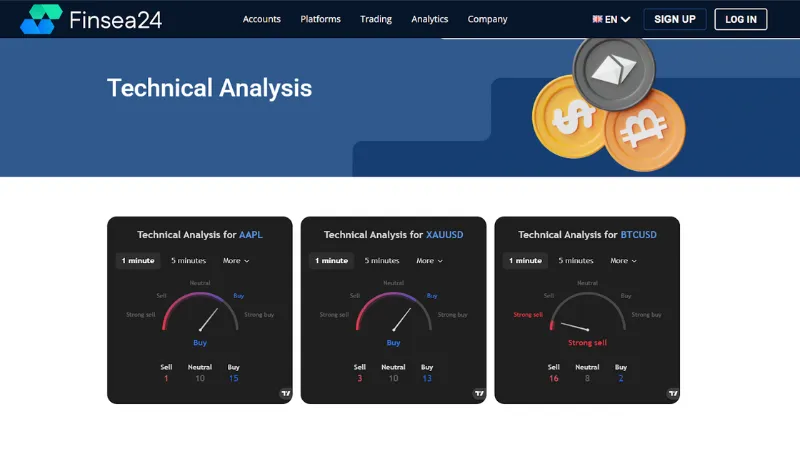
Finsea24 Review: Tips to Navigate Through Forex Market Volatility [finsea24.com]

Best Instagram Video Downloaders in 2026