

Why Delivery Access Is Becoming A Growth Lever For European Startups
Jul 15, 2026 | By Team SR

A startup can get interest from another country before it ever plans to sell there. Someone sees the product online, shares it, asks a question, and suddenly the same thing keeps coming up: “Do you ship here?”
 Follow us
 Follow us
For European e-commerce startups, that question matters. Delivery is not just an operations detail anymore. It can show where demand is building, where buyers are getting stuck, and where the next market might be.
Growth Does Not Always Wait For A Launch Plan
Most startups begin with one market in mind. That is usually the sensible way to start. Payments are easier. Delivery is easier. Returns are easier. Support does not get pulled in too many directions.
Then the product starts to travel without the team controlling it. A TikTok post gets shared. A customer talks about it in a group. A founder update reaches people outside the home country. Soon, people from France, Germany, Spain, the Netherlands, or the UK are asking how to order.
RECOMMENDED FOR YOU

Agentic AI Development: Transforming Patient Care and Hospital Operations
Team SR
Sep 3, 2026
The International Trade Center breaks cross-border e-commerce transactions into stages such as online selling, payment, delivery, and after-sales, which shows why shipping access affects growth early.
That does not mean the startup should open every market. It does mean the product has started to move further than the setup behind it.
Sales Data Can Miss The Real Story
Founders often look at sales first. That makes sense, but sales do not show everything. A buyer can want the product and still leave before paying.
Maybe their country is not listed at checkout. Maybe shipping looks too expensive. Maybe duties and returns are unclear. Maybe the delivery page says too little, so the buyer gives up.
On paper, that looks like a failed cart. In reality, it may be a delivery problem.
This is why delivery access can hide real demand. A startup may think a country is not worth testing because sales are low. But the store may have blocked those buyers before they had a fair chance to buy.
Buyers Often Find Another Way
When people really want a product, they do not always stop at the first delivery block. They ask a friend. They use a relative’s address. They check another seller. Some look for a forwarding option that gives them a local address first.
That is where a UK parcel forwarding service like PostUK fits into the wider buying journey. It helps shoppers use a UK delivery address when a store does not ship directly to their country, and then manage the parcel after that.
For startups, this is useful to understand. Workarounds are not the ideal growth plan, but they are a signal. If buyers are finding ways around the store’s limits, there may be demand the team has not measured properly yet.
Access Affects Trust Too
A buyer does not only judge the product. They judge the whole path around it.
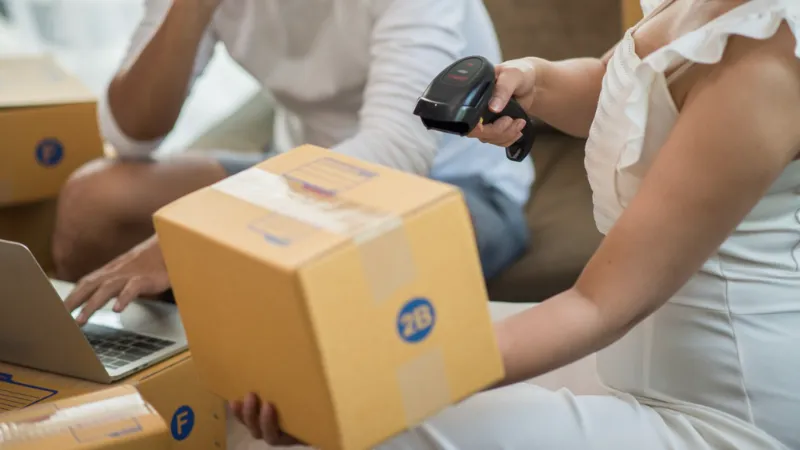
Can it be delivered? Is the shipping price clear? Will tracking be available? What happens if it gets delayed? What if the item needs to be returned?
EU customs guidance on goods bought online shows why buyers need clear delivery and cost information before they order from another country.
For cross-border orders, even basic notes about duties and import taxes can make the buying path feel less risky.
These are not small questions for someone ordering from another country. If the answers are vague, the buyer may decide not to risk it.
This is where small teams can lose good customers. The product may be strong, but the buying path feels uncertain. Buyers do not expect every startup to have a perfect global setup. They do expect clear information before they pay.
Start With The Easiest Signals
International growth does not need to start with a big rollout. It can start with a few simple checks.
Look at where visitors come from. Check which countries show up in abandoned carts. Read support emails. Watch social comments. See which products attract attention from outside the main market.
Some signals matter more than others:
- Repeat traffic from the same country
- Several messages asking about shipping
- Abandoned carts from one market
- Products with low return risk
- Strong interest in light or easy-to-ship items
These details help founders choose better tests. One country, one product group, or one carrier route can teach a lot without creating too much pressure.
Some Products Travel Better Than Others
Not every product is a good first choice for cross-border orders. A light skincare item is not the same as a large home product. A simple accessory is not the same as fitted clothing.
The easier products usually have clear sizing, strong packaging, low return rates, and simple delivery needs. These are the items that make early tests less painful.
This is a practical point, but it matters. If a startup tests international demand with the wrong product, it may think the market is bad. The real problem may be that the product was hard to ship, hard to return, or too costly to deliver.
Delivery Can Strengthen A Startup Story
Founders often talk about demand, growth, and market pull. Delivery access can support that story when the data is real.
A startup may be able to show that buyers are coming from several countries. It may show that one product gets repeated interest abroad. It may show people are trying to order even before the company has opened that market properly.
That is stronger than saying, “There could be international demand.” It shows the demand has already started.
Investors also know growth has to work in practice. If delivery, tracking, and returns are ignored, international sales can become messy fast. A clear plan makes the growth story more believable.
The Next Market May Already Be Showing Up
European startups do not always need to guess where to go next. Sometimes the first clues are already inside the store.
They show up in traffic, emails, comments, failed checkouts, and buyers trying to find another way to order. Delivery access helps turn those small clues into better decisions.
A startup does not need to serve every country straight away. But when people outside the first market keep trying to buy, that is not noise. It may be the next market raising its hand.
Recommended Stories for You

Team SR Jul 3, 2026

Team SR Dec 22, 2025

Team SR Jun 4, 2026

Kailee Rainse Mar 27, 2026


Trending Stories
Credit Math For An AI Map Generator On Seed Budget

5 technical choices that make the difference between growth and stagnation

Is Gamification as a Service the Next Major Battleground for Startups?
Are Working Students the Quietest Demographic Relying on the Essay Writing Service EssayService.com?

Why UK Startups Need Better Access to Legal Documents as They Scale

Top 10 Backlink Agencies Businesses Trust for Real Authority

How Local Taxi Services Help Keep Highland Tourism Moving

What to Know Before Adding Battery Storage to Your Home