

Why Attention to Detail Still Defines Quality Work in Commercial Painting
Mar 20, 2026 | By Team SR
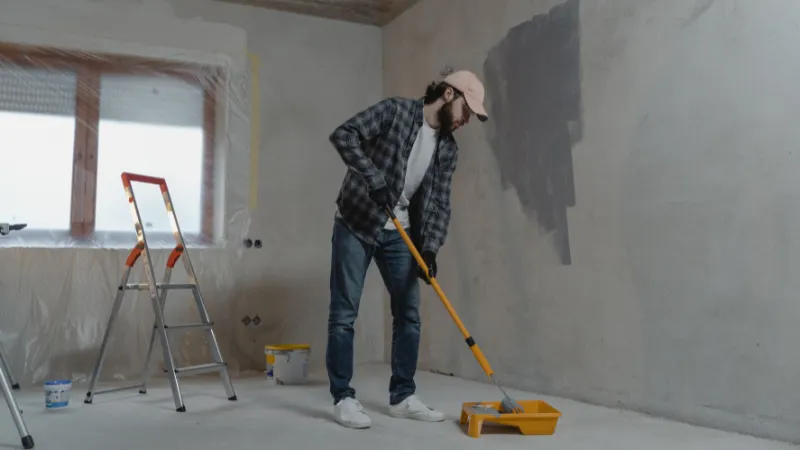
Commercial painting looks simple from a distance. Paint the wall. Move to the next building. Finish the job.
 Follow us
 Follow us
The reality is different. Large projects succeed or fail based on small details.
Missed prep work leads to peeling paint. Poor masking stains doors and sidewalks. Bad planning blocks drive lanes and annoys customers.
Commercial painting is a detail game.
RECOMMENDED FOR YOU


The Gaming Industry in Europe: Market Insights, Challenges, and Opportunities
Team SR
Dec 16, 2025
In the United States, the painting and wall covering contractor industry generates more than $40 billion annually, according to IBISWorld. Thousands of contractors compete for commercial work. Many can paint. Fewer can deliver consistent quality.
The difference often comes down to attention to detail.
Why Details Matter in Large Commercial Projects
Commercial properties are large and visible. A small mistake spreads across hundreds of feet of wall.
Customers notice these mistakes quickly.
Facility managers notice them even faster.
One contractor described walking a storage property after another company finished a repaint. The walls looked fine from the street. Up close, the problems were obvious.
“There were small paint drips on twenty doors,” he said. “Nobody caught them before the crew packed up.”
Those drips took hours to fix.
Small errors create expensive cleanup work. That is why strong crews build systems that catch problems early.
Small Problems Multiply Quickly
Commercial painting projects involve multiple buildings, crews, and pieces of equipment.
Without attention to detail, mistakes multiply.
Common problems include:
- Uneven paint coverage
- Overspray on doors and windows
- Missed edges and trim lines
- Paint on pavement or concrete
- Surface areas that were not cleaned properly
Each issue seems minor. Combined, they make the project look sloppy.
Customers and property owners often judge the entire project based on these small flaws.
Preparation Is the First Detail That Matters
Surface Prep Determines Paint Life
Prep work is the most ignored step in commercial painting.
It is also the most important.
Industry estimates show that about 70 percent of paint failures come from poor surface preparation. Dirt, chalk, and loose paint prevent new coatings from bonding.
A painter once walked up to a building and rubbed the wall with his hand. White chalk dust came off immediately.
“If we painted over that, it would peel in a year,” he said.
The crew pressure-washed the building and brushed the surface before painting. That extra prep added a day to the project.
It added years to the life of the paint.
Prep Work Checklist
Commercial crews should always verify these steps:
- Wash surfaces to remove dirt and chalk
- Scrape loose paint
- Repair cracks and holes
- Mask doors, windows, and signage
- Protect nearby equipment and vehicles
Skipping prep may speed up the first day of work.
It creates problems later.
Clean Lines Separate Good Work From Average Work
Edges and Trim Lines Matter
Clean lines create the professional look customers expect.
These lines appear around doors, trim, and roof edges.
Crooked edges stand out quickly.
One project manager described a situation where a crew rushed through the trim stage.
“You could see the wavy line from twenty feet away,” he said. “The owner spotted it during the first walkthrough.”
The team had to repaint the entire section.
Clean lines require steady work and patience.
Techniques for Cleaner Lines
Experienced crews rely on simple techniques:
- Use painter’s tape for sharp edges
- Remove tape before paint fully dries
- Apply paint in thin, controlled layers
- Check edges after each section
These steps take time. They prevent costly rework.
Overspray Control Is a Major Detail
Why Overspray Creates Big Problems
Spray equipment helps crews cover large surfaces quickly.
It also creates risk.
Wind can carry paint onto nearby surfaces.
Doors, vehicles, and sidewalks become targets.
Overspray is one of the most common complaints from property owners.
One contractor recalled a job where a crew sprayed during windy conditions.
“The wind shifted and coated ten doors with a light mist,” he said. “We spent two full days cleaning it.”
Good crews watch weather conditions closely.
They also use drop cloths and shields to protect nearby areas.
Simple Overspray Controls
Overspray prevention includes:
- Checking wind speed before spraying
- Masking nearby surfaces
- Using spray shields
- Switching to rollers in tight areas
These steps protect the property and save cleanup time.
Inspection Is Part of the Process
Daily Walkthroughs Catch Mistakes Early
Many painting mistakes appear small during the job. They become large when ignored.
Daily inspections prevent this.
Crew leaders should walk the site at the end of each workday.
They should look for:
- Missed areas
- Drips and runs
- Overspray
- Uneven coverage
One contractor described a habit he built years ago.
“Every afternoon I walk the job with a flashlight,” he said. “The angle of the light shows flaws you miss in normal daylight.”
That simple habit helped his crews catch problems before clients saw them.
Final Walkthrough With the Client
The final walkthrough should happen before equipment leaves the property.
Property managers should inspect the work alongside the contractor.
Both sides should verify:
- Clean lines
- Proper coverage
- No overspray
- Safe access areas
Small fixes should happen immediately.
That prevents callbacks later.
Planning and Logistics Affect Quality
Attention to detail also appears in planning.
Poor logistics lead to rushed work.
Rushed work leads to mistakes.
Large commercial properties require organized staging.
Equipment should stay in specific zones. Crews should follow a clear order of work.
One painter described a job where crews worked randomly across the property.
“We had ladders everywhere and paint buckets scattered across the lanes,” he said.
The project slowed down and customers complained about blocked access.
Structured planning prevents that chaos.
Companies such as Storage Facility Painting Services, LLC emphasize logistics and planning because these systems reduce mistakes and keep projects organized.
Actionable Steps for Better Commercial Painting
Property owners and contractors can improve results by focusing on details.
For Property Owners
- Ask contractors about prep procedures
- Request a project schedule before work begins
- Inspect masking and protection steps
- Walk the property during the project
These steps help identify problems early.
For Contractors
- Train crews on prep standards
- Use checklists for each project phase
- Inspect work daily
- Control overspray with proper masking
Consistency builds reputation.
Details Build Long-Term Reputation
Commercial painting projects often cover thousands of square feet.
Clients judge quality based on small details.
Clean lines. Smooth coverage. No overspray.
These details tell clients the work was done carefully.
They also determine how long the paint lasts.
Attention to detail remains the difference between average work and professional work.
In commercial painting, the smallest details often make the biggest impression.
Recommended Stories for You


Kailee Rainse Feb 16, 2026

Team SR Dec 3, 2025

Team SR Mar 19, 2026

Team SR Mar 27, 2026

Team SR Jan 16, 2026
Trending Stories

From Agency to Independent Studio: Building a Creative Practice With Intention

Industrial Metals Watch: What Zinc Can Signal About Manufacturing Demand

Understanding biometric security and Nedap Security Management

Career Change After 40: Proven Strategies for Professionals Seeking Meaningful Work

From Classroom to C-Suite: How Student Entrepreneurs Can Turn Academic Projects into Startup Success Stories

Finsea24 Review: Tips to Navigate Through Forex Market Volatility [finsea24.com]

Mistakes to Avoid When You Rent a Convertible Car in Dubai for a Short Trip

Best Instagram Video Downloaders in 2026