

The Old Model Is Under Pressure
Endowments face a harder job than ever. They need steady returns. They need to fund spending every year. They need to protect purchasing power against inflation.
 Follow us
 Follow us
Stocks and bonds alone struggle to do all three.
Over the last 20 years, markets have changed fast. Interest rates moved from low to high. Volatility increased. Correlations rose during stress periods. Traditional portfolios became more fragile.
According to NACUBO, the average U.S. college endowment returned 4.7% annually over the past decade, while many had spending targets near 5%. That gap matters.
RECOMMENDED FOR YOU

How to buy Tether TRC20 (USDT) for PayPal dollars (USD) with maximum benefit?
Kailee Rainse
Sep 3, 2025


This pressure is why alternative investments now play a bigger role.
What “Alternatives” Really Mean
Alternative investments are assets outside public stocks and bonds. They include:
- Private equity
- Private credit
- Real estate
- Infrastructure
- Hedge funds
- Natural resources
These assets behave differently. They often move on different cycles. They rely on cash flow, contracts, or long-term projects instead of daily market pricing.
That difference is the point.
Alternatives are not meant to replace stocks and bonds. They are meant to balance them.
Endowments Need Stability, Not Speed
Endowments think in decades. Not quarters. Their goal is steady support over time.
Public markets move fast. Endowment obligations do not.
Alternative investments help slow the ride. Many provide predictable income. Others smooth returns by avoiding daily price swings.
The Yale Endowment is a well-known example. As of recent years, over 70% of its portfolio sits in alternatives. This long-term approach helped it weather multiple market cycles.
The lesson is simple. Long horizons benefit from long-duration assets.
Diversification That Actually Works
Diversification sounds simple. But it often fails when it matters most.
During market stress, stocks and bonds can fall together. In 2008, many portfolios learned this the hard way. In 2020, it happened again—briefly, but sharply.
Alternatives can help break that pattern.
Private assets are less tied to daily market mood. Infrastructure relies on usage. Real estate relies on rent. Private credit relies on contracts.
These drivers do not move in lockstep with stock indexes.
That difference lowers overall portfolio risk.
Better Tools for Inflation
Inflation is back. That changes the math.
Traditional bonds lose value when inflation rises. Stocks can struggle if costs increase faster than revenue.
Many alternatives offer built-in inflation protection.
Examples:
- Real assets with pricing power
- Infrastructure contracts linked to inflation
- Real estate with rent resets
- Private credit with floating rates
According to BlackRock, portfolios with real assets showed lower drawdowns during inflationary periods compared to stock-heavy portfolios.
Endowments need assets that can adapt. Alternatives often can.
Access to Different Return Drivers
Public markets are crowded. Information spreads fast. Alpha is harder to find.
Private markets move slower. Relationships matter. Manager skill matters more.
Private equity returns often come from:
- Operational improvement
- Cost discipline
- Growth strategy
- Long-term planning
These are not driven by headlines. They are driven by execution.
That’s attractive for institutions that can be patient.
Liquidity Is a Feature, Not a Bug
Alternatives are often less liquid. That scares some investors.
For endowments, that can be an advantage.
They don’t need daily liquidity on all assets. Their spending needs are planned years ahead.
Illiquidity can offer a return premium. Investors are paid to lock up capital. That premium adds up over time.
The key is balance. Liquidity should match obligations. Not fear.
Governance Matters More Than Allocation
Alternatives require strong oversight. Poor governance leads to poor outcomes.
Endowments must:
- Set clear allocation ranges
- Use pacing models
- Vet managers carefully
- Monitor risk and exposure
- Review performance over full cycles
This is not about chasing returns. It’s about discipline.
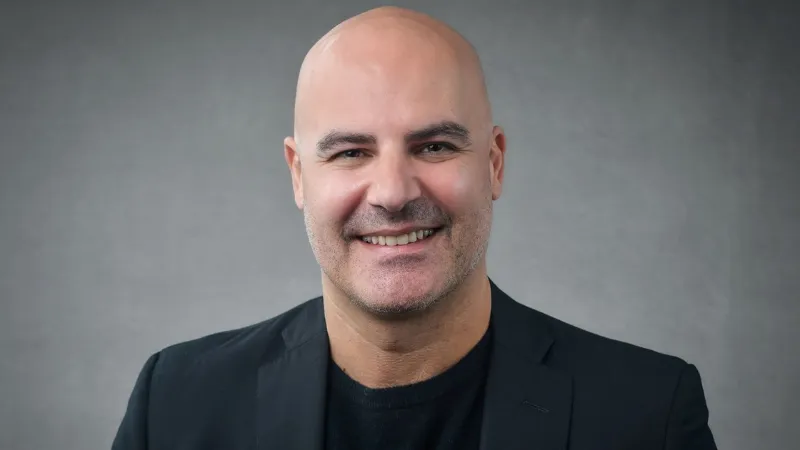
Youssef Zohny, who advises large institutions on portfolio structure, often stresses that alternatives only work when governance is clear and expectations are realistic. He points out that many problems come not from the asset class, but from poor planning.
Process matters more than product.
Actionable Steps for Endowments
1. Define the Role of Alternatives
Decide what alternatives are meant to do. Income. Growth. Inflation protection. Risk reduction. Each role requires different assets.
2. Start with a Target Range
Set a range, not a fixed number. This allows flexibility as markets move.
3. Build a Pacing Plan
Commit capital over time. Avoid rushing in or stopping completely during stress.
4. Focus on Manager Selection
Returns in alternatives vary widely. Top managers often outperform by large margins. Due diligence is critical.
5. Stress Test Liquidity
Map cash inflows and outflows. Ensure spending needs are covered without forced selling.
6. Measure Over Full Cycles
Judge performance over five to ten years. Short-term noise misleads.
Common Mistakes to Avoid
- Overcommitting too fast
- Chasing recent winners
- Ignoring fees without context
- Copying other endowments blindly
- Treating alternatives as a single bucket
Each alternative asset behaves differently. Treat them as tools, not trends.
The Big Picture
Endowments exist to support missions. Education. Research. Community. That mission requires financial stability.
Markets will keep changing. Rates will move. Volatility will return.
Alternative investments help endowments adapt.
They offer diversification that holds up. Income that lasts. Exposure to real-world assets.
They are not magic. They require patience and discipline. But used well, they strengthen the entire model.
Final Thought
The endowment model is not broken. But it must evolve.
Alternatives belong in modern portfolios because they match long-term goals with long-term assets.
Endowments that embrace them thoughtfully gain resilience. Not just higher returns, but steadier ones.
That steadiness is what supports missions for generations.
And that is the real goal.
Recommended Stories for You

Team SR Dec 12, 2025

Team SR Jan 28, 2026


Team SR Feb 12, 2026

Team SR Feb 18, 2026

Team SR Feb 24, 2026
Trending Stories

The Quiet Wins: Why the Best Work in Real Estate Often Goes Unnoticed

How In-App Communities Turn Engagement into Revenue

Top Tips for Building Up Your Welding Business

Connecting Your Monitor with Reliable Video Quality

How Structured Data and Local Signals Work Together to Boost Visibility

Designing Work Around Life: Rethinking Flexibility in Global Teams

Why a Security-First Culture Matters in Early-Stage Companies

What Is an Online Business Networking Platform and How Does It Work?