


Recent headlines in the UK aren’t just talking about artificial intelligence, they’re warning that workers must reskill or risk being left behind. In early February 2026, the CEO of one of Britain’s largest banks publicly urged employees to “reskill themselves” to thrive amid AI-driven change, stressing that the finance sector is already being “radically” reshaped by automation and advanced technologies.
 Follow us
 Follow us
Behind commentary like this is a deeper challenge: AI tools are everywhere, but meaningful understanding is not.
Regulation and Adoption Are Not the Same Thing
Across Europe, governments are not just debating AI, they’re acting on it. The EU’s Artificial Intelligence Act, the first comprehensive bloc-wide AI law, has been in effect since 2024 and will begin formal enforcement in mid-2026, creating obligations around transparency, governance and risk-classification for AI systems.
In the UK, new public-sector guidelines are helping civil servants prepare data for AI use, reflecting the government’s view that AI readiness is not just about technology, but about skills, governance and responsible use.
RECOMMENDED FOR YOU


These developments are important. But while policy shapes what organisations should do with AI, it doesn’t equip people with the practical understanding to do it.
Access Isn’t the Problem, Confidence Is
Enterprise adoption of AI is rapidly accelerating, but many organisations are still struggling to govern and apply these tools effectively. More than half of firms in Europe and the Middle East are already in late stages of AI adoption or close to it, but fewer than one in three have a comprehensive governance framework in place, a warning sign that technology is outpacing organisational maturity.
Meanwhile, surveys show that job openings requiring AI-related skills, from intelligent automation to data reporting, are rising sharply in the UK financial sector, underscoring how demand for AI capability has outstripped the supply of trained professionals.
These trends suggest that while tools are proliferating, the human capacity to use them effectively remains uneven.
How People Actually Learn Technology
New tech rarely becomes part of everyday work through interfaces or documentation alone.
People adopt technology when someone helps translate what it can do into how it fits their work.
As Moyn Islam, co-founder of BE (BE Club),puts it:
“We’ve reached a point where access to AI isn’t the challenge anymore, understanding is. Most people don’t need another tool; they need clarity on how to use what already exists. That human layer of explanation is what determines whether AI actually creates value or simply adds noise.”
This pattern holds true across digital history, from spreadsheets to enterprise software, and now it is repeating with AI.
Without this human context, adoption can feel overwhelming: a wealth of tools with too little explanation about when, why, or how to use them.
The Human Layer Behind Adoption
Adoption isn’t just about discovery. It is about translation, turning capabilities into understood, repeatable workflows that people can rely on.
This is where human-led distribution and education models play an increasing role.
Platforms like BE operate in this space by helping people discover and understand digital learning tools, including AI-related products, through independent partners who walk users through ‘what works and why’ rather than pushing features or hype.
In practice, BE’s model supports responsible distribution by enabling tool adoption through education-first explanation and customer-led exploration, rather than pressure-driven promotion.
This approach resonates with broader public policy goals: as the UK’s evidence review on AI skills emphasises, businesses and citizens alike will need support to build the strategic and ethical competencies required to employ AI effectively in work and life.
From Tools to Trust
The most pressing gap in the current AI transition isn’t access, it’s trust and understanding.
Public programs are now responding: in the UK, initiatives aimed at equipping 10 million adults with practical AI skills have been launched to close confidence gaps in the workforce, recognising that only around one in five workers feel comfortable using AI tools right now.
These efforts underscore a simple truth: AI technology isn’t transformative on its own. It becomes transformative only when people know how to use it well.
The Real Divide Isn’t Access, It’s Capability
As Europe and the UK shape AI policy and deployment strategies, they are increasingly acknowledging that skills and human readiness are as important as regulation and innovation.
The divide in the AI era won’t be merely between those who have access to powerful tools and those who do not. It will be between those who understand how to apply them and those who do not.
Bridging that divide will take more than policy, investment, or speed of adoption. It will take people helping people, educators, interpreters, and context-builders who translate potential into practice.
And as AI becomes part of routine work, that human layer may prove to be the most important infrastructure of all.
Recommended Stories for You

Team SR Feb 2, 2026


Team SR Mar 8, 2026

Team SR Jan 28, 2026

Team SR Dec 24, 2025

Team SR Dec 24, 2025
Trending Stories

Understanding biometric security and Nedap Security Management

Career Change After 40: Proven Strategies for Professionals Seeking Meaningful Work

From Agency to Independent Studio: Building a Creative Practice With Intention

From Classroom to C-Suite: How Student Entrepreneurs Can Turn Academic Projects into Startup Success Stories

Mistakes to Avoid When You Rent a Convertible Car in Dubai for a Short Trip

CoinKnow Review 2026: Is This the Best Coin Identifier App for US Coin Beginners?
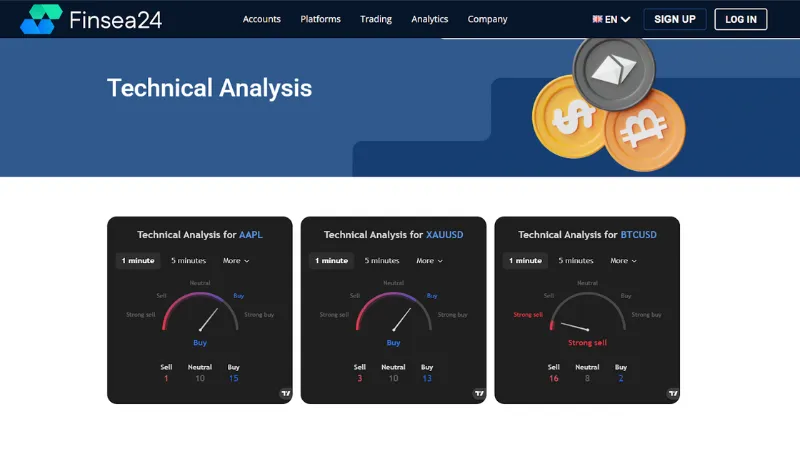
Finsea24 Review: Tips to Navigate Through Forex Market Volatility [finsea24.com]
Best Instagram Video Downloaders in 2026