

What Landowners Should Know Before Selling or Leasing Mineral Rights
Dec 11, 2025 | By Team SR

Selling or leasing mineral rights can be life-changing. It can create new income. It can create long-term value. It can also create regret if a landowner makes decisions without the right information. Many people act fast because they get an exciting offer. Others sign paperwork without fully understanding what they own. Some do not know that mineral rights and surface rights are separate.
 Follow us
 Follow us
This article explains what landowners should know before making any decision. It uses clear language, real examples, and practical steps anyone can follow. It also includes insight from field experiences shared by companies like G2 Petroleum texas, who have watched many landowners navigate these choices over the years.
Why Mineral Rights Matter More Than Many Realise
Mineral rights control what happens below the surface. Oil, gas, and other resources belong to the mineral owner. The surface owner controls the land itself. These rights can be owned together or separately.
Many landowners do not know they even own mineral rights. A study by the National Association of Royalty Owners found that about 12 million Americans hold mineral or royalty interests. That number keeps growing as land and ownership change hands.
RECOMMENDED FOR YOU



Mineral rights can be sold forever. Or they can be leased for a set period. The choice affects long-term income, control, and family plans.
The Difference Between Selling and Leasing Mineral Rights
Selling and leasing are completely different decisions. Each comes with benefits and risks.
Selling mineral rights
When you sell, you give up ownership permanently. You receive a lump-sum payment upfront. That payment might look impressive. But once you sell, you no longer receive royalties if a well is drilled.
Some landowners sold rights for small amounts decades ago. Those same rights later produced thousands of dollars in royalties. One rancher in New Mexico said, “I sold for the price of a used truck. The well that came later bought someone else a house.”
That story is common.
Leasing mineral rights
When you lease, you keep ownership. An oil or gas company pays you a lease bonus up front. If a well is drilled and produces, you receive royalties.
Most leases last 3 to 5 years. If nothing happens during that time, the lease expires unless renewed.
Leasing keeps future upside open. It also gives you more control.
Why Land Value and Mineral Value Are Not the Same
Surface value depends on things like location, fencing, pasture quality, and access. Mineral value depends on geology. The two values do not move together.
A piece of land can be worth $50,000 on the surface but hold minerals worth far more. Or far less. The rock decides.
This is why research matters. A landman once said, “The prettiest pasture I ever saw had worthless minerals. The ugliest patch of ground had a jackpot underneath.”
Do not assume surface beauty means mineral value.
What Landowners Should Research Before Making Any Decision
Research is the strongest tool a landowner has. These steps help anyone get started.
Know your ownership
Check records. Look at deeds. Look at past transfers. Mineral ownership is sometimes split between family members without anyone realising it.
Look at nearby wells
Wells within 5–20 miles offer clues. If they produce well, your land may have strong potential. If they produce poorly, your land may be lower value.
Check state production databases
Most states publish monthly well production numbers. These numbers show how wells perform in your area.
Understand decline curves
Wells produce the most early in their life. Production then drops. Knowing this helps you understand royalty potential.
Ask for maps and geological data
Operators often have maps that show target zones, pressure areas, and drilling trends. These maps make it easier to judge offers.
Common Mistakes Landowners Make
Many landowners make the same mistakes. Avoiding them protects your long-term value.
Mistake 1: Signing the first offer
The first offer is usually the lowest. Offers often rise when multiple companies have interest in the same area.
Mistake 2: Confusing mineral rights with surface rights
Selling surface rights does not automatically sell minerals, and vice versa. Keep these separate in your mind and in your paperwork.
Mistake 3: Ignoring the fine print
Lease terms matter. Royalty percentages matter. Deductions matter. Many landowners lose money because they didn’t ask questions.
Mistake 4: Thinking all offers are “now or never”
Land buyers often use urgency to convince people to sign quickly. But drilling takes time. Good geology stays good.
Mistake 5: Underestimating long-term value
A single horizontal well can produce for decades. That long tail of production can add up to large royalty payments.
How Long-Term Planning Protects Landowners
Long-term plans help landowners make smarter choices. If you know your goals, you make clearer decisions.
If you want steady long-term income
Leasing makes sense. Royalties bring income for years. You keep ownership.
If you need large money fast
Selling may fit. But compare offers. Do not sell without looking at the geology.
If you want to protect land for family
Keep the minerals. Even small wells can help future generations.
If your area is early in its development cycle
Holding your minerals may bring higher lease offers later.
A ranch owner in Oklahoma said, “I almost sold until my neighbour drilled a monster well. Waiting six months saved me twenty years of regret.”
Patience matters.
How to Evaluate Offers Like a Pro
Here are simple ways to analyse any offer:
Compare lease bonuses
Offers in the same county or same basin should be similar. If one offer is much lower, ask why.
Check royalty percentage
Standard royalties are 1/8 (12.5%), 3/16 (18.75%) or 1/5 (20%). Some deals reach 25%. Higher royalties equal more income.
Ask about deductions
Some companies deduct costs for fuel, transport, and compression. Others don’t. This affects your payments.
Check the primary term
Shorter terms mean you regain control faster if nothing happens.
Ask who the operator will be
Strong operators drill more wells. Weaker operators leave land idle.
Negotiation Tips for Landowners
You do not need to be an expert to negotiate. These simple tips help:
- Ask for offers from multiple companies
- Never sign the first draft of a lease
- Negotiate royalty percentages
- Ask for no-deduction clauses
- Request surface protections
- Keep communication in writing
- Take time to think
A landowner in Texas said, “I changed two lines in the lease. That one change doubled my income later.” Small changes matter.
Final Thoughts
Selling or leasing mineral rights is a big decision. The value under the ground may be higher than you expect. Or it may be lower. Research helps you find the truth. Long-term planning helps you stay confident. Asking questions protects your future.
Mineral rights can offer long-term income for you and your family. Taking your time, comparing offers and understanding geology will help you make the strongest choice possible.
If you want a follow-up article on negotiating leases, landowner rights or understanding geology maps, I can write that next.
Recommended Stories for You

Team SR Dec 16, 2025

Team SR Oct 16, 2025

Team SR Dec 3, 2025

Team SR Mar 23, 2026

Team SR Mar 14, 2026

Team SR Mar 24, 2026
Trending Stories

Understanding biometric security and Nedap Security Management

Career Change After 40: Proven Strategies for Professionals Seeking Meaningful Work

From Agency to Independent Studio: Building a Creative Practice With Intention

From Classroom to C-Suite: How Student Entrepreneurs Can Turn Academic Projects into Startup Success Stories

CoinKnow Review 2026: Is This the Best Coin Identifier App for US Coin Beginners?

Mistakes to Avoid When You Rent a Convertible Car in Dubai for a Short Trip
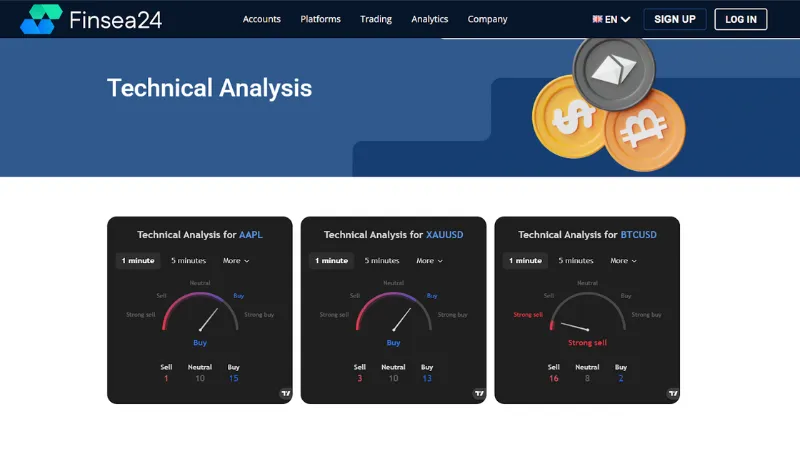
Finsea24 Review: Tips to Navigate Through Forex Market Volatility [finsea24.com]

Best Instagram Video Downloaders in 2026