

What is content://cz.mobilesoft.appblock.fileprovider/cache/blank.html, and why does it matter in Android logs?
Apr 28, 2026 | By Kailee Rainse
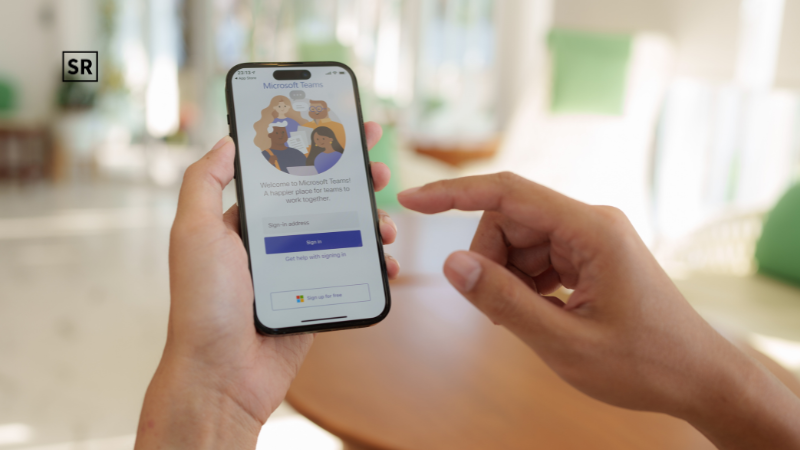
If you’re an Android user, you may have noticed a strange-looking digital address like content://cz.mobilesoft.appblock.fileprovider/cache/blank.html appearing in your browser history, system logs, or while debugging apps. This is known as a URI (Uniform Resource Identifier). While it may look technical and suspicious at first glance, it often raises questions about what it actually means and whether it poses any security risk.
 Follow us
 Follow us
There’s no need to worry this is not a malicious file or a hacker-generated link. It’s a harmless internal content URI used by the productivity app AppBlock. Its purpose is to securely manage and display blocked content within the app. This URI is part of Android’s internal content-sharing system designed to ensure apps handle data safely and efficiently. Understanding how it works not only clears up confusion but also highlights the strength of Android’s built-in security architecture.
Anatomy of Content URI
Before diving deeper into this AppBlock URI, it’s important to first understand what a content URI is and why Android relies on it. Within the Android ecosystem a content URI is essentially a structured address that allows secure access to data managed by content providers. Unlike traditional file paths that directly expose internal storage locations, content URIs act as controlled gateways.
This approach serves several important purposes:
RECOMMENDED FOR YOU

What Is Autocratic Leadership? Definition, Pros, Cons, and Tips (Complete Guide)
Oliver Bennett
Jun 11, 2026

Elena’s Website TheSoundsTour: Your Ultimate Guide to the World of Audio and Sound Exploration
Kailee Rainse
May 11, 2026

- Security: It prevents other applications from seeing the exact file location.
- Sandboxing: It maintains strict separation between an app’s private data and external access.
- Access Control: It enables permission-based, temporary access to specific resources.
By using content URIs, apps create a secure bridge for sharing data in a controlled way without exposing or compromising the system’s underlying structure.
Significance of the URI Keyword
The URI content://cz.mobilesoft.appblock.fileprovider/cache/blank.html brings together several key elements of the Android system and mobile app architecture. Understanding each part helps clarify its purpose:
- Content: Refers to the data or files managed by the application.
- CZ MobileSoft: The developer behind the app, known for creating productivity and security-focused tools like AppBlock.
- AppBlock: An Android application designed to block distracting apps and help users stay focused.
- FileProvider: A core Android component that enables secure file sharing between apps.
- Blank HTML: A cached HTML file with little or no content typically used as a placeholder.
When combined, these elements describe an internal path or process used by the app to manage temporary files or cached content.
Why does the URI Appears Like That?
This URI is not a typical web URL or a direct system file path. Instead, it’s a content URI used by Android apps to reference internal files in a secure way without revealing the actual storage location. Breaking it down makes it easier to understand:
- content:// – This prefix indicates that it’s a content URI, handled by Android’s secure ContentResolver system.
- cz.mobilesoft.appblock.fileprovider – This is the unique authority identifying the FileProvider used by the AppBlock app, acting as a gatekeeper for file access.
- /cache/blank.html – This points to a temporary cached HTML file stored within the app’s internal storage.
This URI is just a reference to a blank or placeholder page that AppBlock uses in the background to manage blocked content or display empty pages when needed.
When and where can you see this URI
If you’ve recently browsed Android directories, there’s a good chance you’ve come across the URI content://cz.mobilesoft.appblock.fileprovider/cache/blank.html. It often shows up in system logs, cache-cleaning tools, or even crash reports especially when there are minor issues related to content rendering or file handling.
For advanced users and developers, Android directories can be useful for analyzing app behavior, debugging layouts or verifying how resources are managed. In these scenarios, this URI may appear in a few common situations:
- While using AppBlock: When the app redirects blocked websites to its internal WebView, this placeholder file is used.
- In system logs or during debugging: Developers tracking app activity may notice this URI while monitoring how the app behaves.
- Within WebView caches: Apps that rely on WebView often use cached HTML files like this one to manage redirects or improve loading performance.
Its presence is normal and simply reflects how the app handles blocked or redirected content behind the scenes.
Is this URI a security risk or something to worry about?
No, this URI is not a cause for concern. Its presence does not mean your device has been hacked or that any external source has accessed your sensitive information. Here’s what you should know:
- It represents a temporary or local file, meaning it points to data stored within your device.
- It does not share personal or sensitive information outside your device unless you explicitly grant permission to another app.
- It is a built-in feature of AppBlock, designed to manage or redirect web access.
So, even though it may look unusual, it does not indicate any unauthorized activity on your device.
Below is a table addressing some of the most common questions related to this URI.
Question Answer Does the URI indicate unauthorized access? No Is the URI an indication of malware or spyware? No Can other applications access the URI? No, unless you have explicitly granted access Is it an AppBlock feature? Yes Should the URI be deleted? No, there’s no real need as the system automatically manages cached files
Short Note on AppBlock
MobileSoft develops Android applications focused on improving productivity, and AppBlock is one of its key offerings. The app promotes digital well-being by allowing users to block specific apps, websites and notifications for set periods. It also includes features like focus modes, scheduling and usage analytics to help users stay on track.
The “blank.html” file used by AppBlock is created internally and serves as a placeholder for managing blocked content along with storing certain logs and scheduling data. The app operates in the background using Android’s accessibility services, content restriction APIs and in some cases, VPN-based controls. This allows it to effectively limit distractions, control app access and manage notifications.
Since AppBlock is responsible for enforcing restrictions and monitoring usage it also manages background data related to its functionality. This can include logs, temporary files, schedules and occasionally cached browser-related data needed for smooth operation.
AppBlock Utilizes the HTML File
Whenever an app like AppBlock displays web-based elements such as a WebView or interstitial screen it often relies on a blank HTML file as a template. This file is typically stored in the app’s cache for quick access, reducing the need for network requests while keeping the app’s internal file structure secure.
Here’s why a blank HTML file is used:
- Performance Optimization: Loading a cached local file is much faster than making network requests.
- Smooth User Experience: It prevents error messages or sudden crashes.
- Reduced Frustration: Users see a simple block page instead of a confusing technical error.
- Visual Consistency: It helps maintain a consistent design and user interface across the app.
Conclusion
The URI content://cz.mobilesoft.appblock.fileprovider/cache/blank.html should be understood as a functional feature rather than a flaw or error. While it may initially appear unfamiliar or even suspicious, it does not point to malware, security threats or any kind of system compromise. It represents a safe and intentional mechanism used by applications like AppBlock to manage and display blocked or restricted content in a seamless way. This URI plays a small but important role in maintaining a smooth user experience. By relying on a cached blank HTML file, the app can redirect or suppress distracting content without causing disruptions such as crashes, error messages or broken interfaces. It ensures that users remain focused while the app quietly enforces the rules they have set. This reflects how modern Android applications are designed with both usability and security in mind. Features like content URIs and internal caching systems allow apps to operate efficiently while protecting sensitive data and maintaining strict access controls. This URI is a good example of how thoughtful app design can balance productivity, performance, and system security without compromising the user experience.
FAQs
What does this URI actually represent?
Why does it appear in Android logs?
Is this URI harmful or a security threat?
Why is a blank HTML file used here?
Does this affect my device’s performance?
Recommended Stories for You
Oliver Bennett Jun 11, 2026

Oliver Bennett May 1, 2024
Team SR Aug 29, 2026
Kailee Rainse May 11, 2026

Oliver Bennett Jun 22, 2026

Oliver Bennett Oct 18, 2024