

UK Market Proving Startups Need a Strong Mobile Presence to Lock Down New Customers
Mar 27, 2026 | By Team SR

 Follow us
 Follow us
Hours spent on smartphones are only increasing with each passing year. In the UK, adults are spending more time on their phones than watching TV, with daily average screen time now at over seven hours. Online, British adults are clocking in at four hours and 43 minutes, swapping between an average of around 41 apps per month. Customers are increasingly mobile-centric, meaning that a startup has to nail its approach to the smallest screen.
Optimised Mobile Sites to Use as Inspiration
What’s important to know is that, while apps are very useful tools for customer engagement, the starting point should be a strong, mobile-optimised website. Even the most content and option-loaded platforms have found ways to make this work. Take the collection of Sky Vegas slots, for example. There are hundreds of high-quality game tiles, each of which can be tapped to play or tapped on for more information in a pop-up.
The mobile site is broken into segments, on which the user can slide to either side to see more. It works very quickly, and navigation is intuitive, giving a convenient flow to the experience. For a page dedicated to simply flowing in immersive information, the IMAX movie experience page is inspired. You scroll through each info segment, revealing and zooming in on images, making everything feel alive and active.
Startups across various sectors should draw from the leading entertainment apps and mobile sites. After all, gamification has become very fashionable of late, and that process begins with an exciting and interactive mobile experience. Others like YouTube and the Lady Gaga official website – the winner of the 2025 Webby Award – are well designed to sink users into a sense of enjoyment while looking for what they need.
Considerations for a Necessarily Strong Mobile Platform

RECOMMENDED FOR YOU

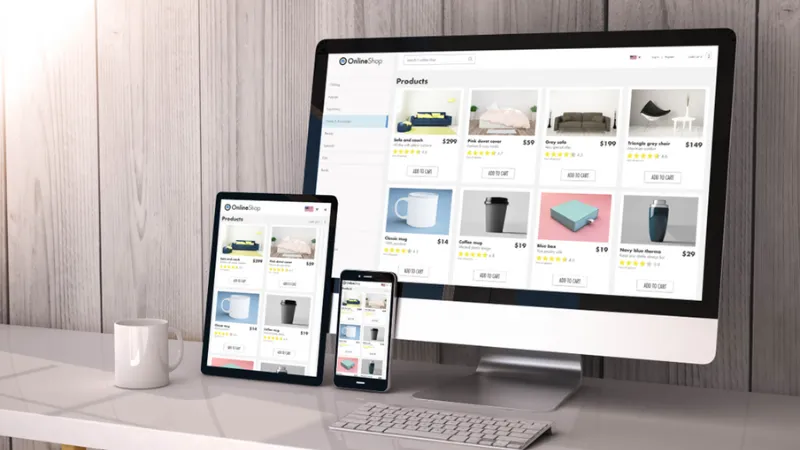
The mobile site has to deliver in many different ways, which can be quite taxing. For many startups, the website’s default mobile version won’t be optimised in the right way to be impactful. It needs fast load times and a touch-friendly design, but also likely a more simplified approach to navigation. It’s in this simplification that you can get creative, and in a way that reflects the brand of your startup.
Elements like tap menus or search bars, scrolls and slides, and a tour-like approach that leads the user through the segments you want them to see, offer a chance to maximise your mobile site. However, as much as you may want to add some flair, you need to remember that the user wants the experience to remain convenient and easy. If the build stops the user from quickly getting to what they need to, they’ll close the tab.
However, different kinds of businesses can benefit from going beyond a mobile-optimised site to having a dedicated app. As the Forbes Council writes, there aren’t many businesses or startups that wouldn’t do well to develop an app. Many reports suggest that the rate of return is well worth the costs. Customer retention increases through convenience and your ability to communicate messages and personalise the experience within the software.
Modern startups looking to reach customers need to have more than a mobile-first approach. They need to build with convenience and entertainment in mind, making the in-app or on-site experience as captivating as possible.
Recommended Stories for You

Team SR Dec 13, 2025

Team SR Oct 22, 2025

Team SR Mar 2, 2026
Team SR Mar 14, 2026

Team SR Nov 26, 2025

Team SR Oct 21, 2025
Trending Stories

Women in Business: Setting Up a Secure Tech Office as a New Start-Up Founder

Healthcare Finance Beyond Billing: RCM and AP Alignment

What is intellectual property, and how is it protected in the UK

Wealthify Stocks and Shares ISA: A Full Review for UK Residents

Should UK Startups Outsource Their Cybersecurity in 2026? (Probably Yes)

Why Pre-Seed and Seed-Stage Startups Need a Growth Marketing Engine

The Best rated UK Debt Collection Agencies for 2026
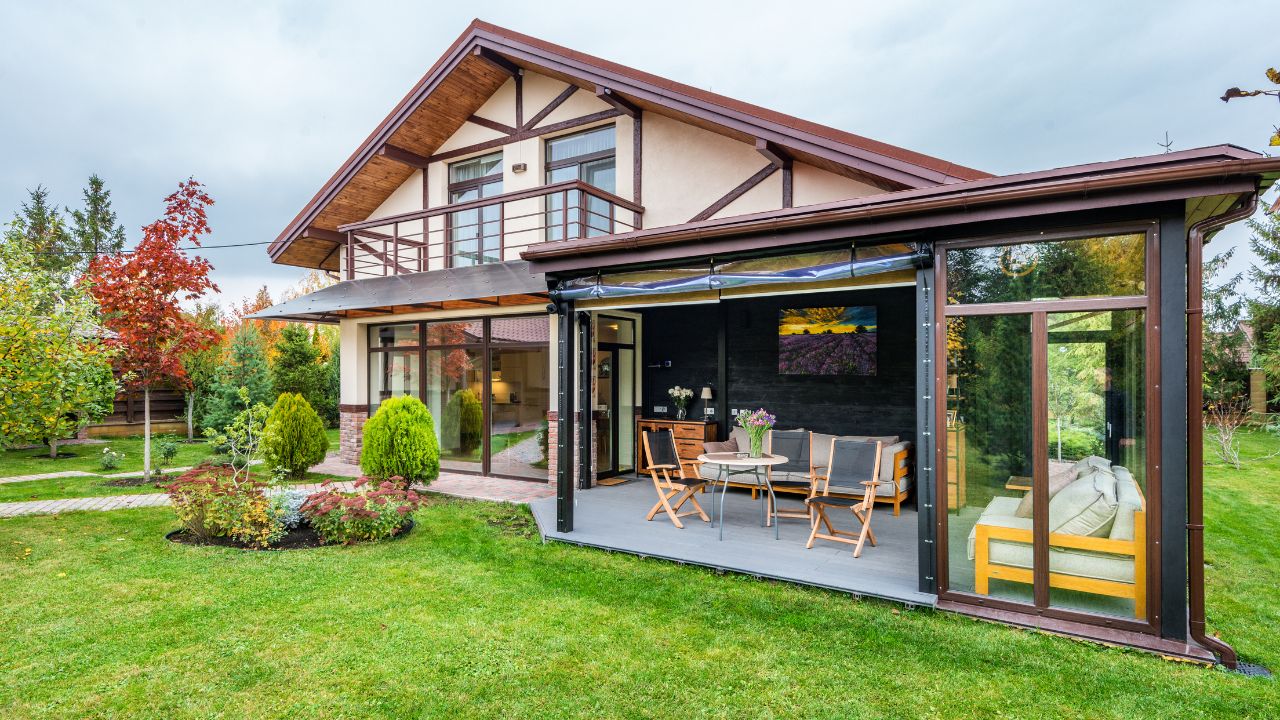
Gravesend Property Market: Stable Prices and Strong Demand for Terraced Homes