
Travel Agency Business Plan: A Complete Guide to Starting a Travel Business in 2026
Oct 28, 2026 | By Oliver Bennett
 Follow us
 Follow us
Starting a travel agency can be a good business opportunity for people who enjoy travel and helping others. Many customers need support with holiday planning, flight bookings, hotel reservations, family trips, and business travel. A travel agency can provide these services and earn money by helping customers plan their journeys.
However, running a successful travel agency takes more than selling holiday packages. You need a clear business plan, a target audience, trusted travel partners, a marketing strategy, and a budget.
This travel agency business plan explains how to start a travel business, manage daily operations, attract customers, and grow your business in 2026.
1. Write an Executive Summary
An executive summary gives a quick overview of your travel agency. It explains what your business will do, which customers you want to serve, and how you plan to earn money.
You can start an agency that focuses on family holidays, international trips, adventure travel, honeymoon packages, or corporate travel services.
Your business plan should include your agency name, location, services, target customers, startup budget, revenue goals, and future plans.
Example: You could start an agency that offers affordable holiday packages to families and young professionals. You may begin from home and operate online. Once your customer base grows, you can consider opening a physical office.
2. Choose the Right Travel Agency Business Model
Your business model determines the services you offer and how you earn money. Choose one that matches your budget, skills, and target customers.
| Business Model | Main Services | Target Customers |
| Online travel agency | Online bookings and holiday packages | Online travellers |
| Traditional travel agency | Personal travel planning and bookings | Local customers |
| Tour operator | Group tours and planned trips | Families and groups |
| Corporate travel agency | Business flights and hotel bookings | Companies |
| Luxury travel agency | Premium holidays and personalised trips | Luxury travellers |
| Niche travel agency | Adventure, wellness, or religious tours | Special-interest travellers |
If you have a limited budget, starting an online or home-based agency can help reduce costs. You can also focus on one type of travel to make your business different from competitors.
3. Research the Travel Market
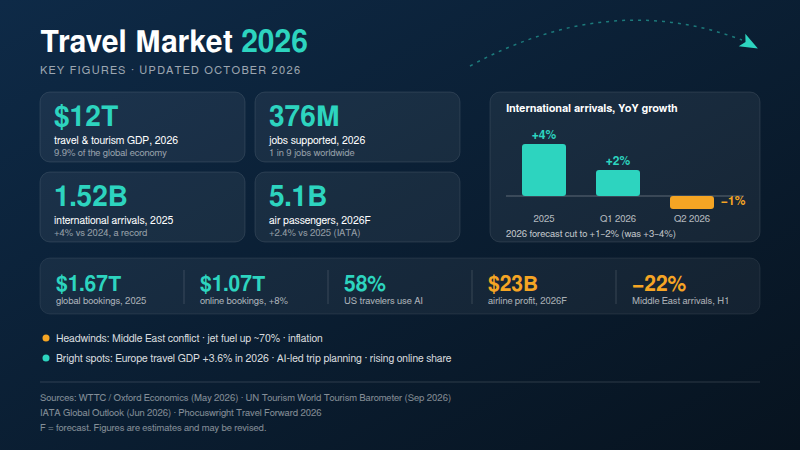
Before starting your business, learn about your target customers and the services they need. Market research helps you understand demand, competition, and pricing.
Ask yourself these questions:
- Which destinations are popular with your customers?
- How much are they willing to spend on a trip?
- Do they prefer ready-made packages or customised holidays?
- What services do other travel agencies provide?
- What problems do travellers face when planning trips?
For example, you may find that customers in your area are looking for affordable weekend trips, family holidays, senior citizen tours, or international travel packages.
Check the prices, services, and customer reviews of other agencies. This will help you find ways to offer better service and give customers a reason to choose your business.
4. Decide Which Services to Offer
Your services will shape your business and help you attract the right customers. Start with a few services that you can manage well and add more as your business grows.
Common travel agency services include:
- Flight and train ticket bookings
- Hotel and resort reservations
- Domestic and international holiday packages
- Honeymoon and family trips
- Group tours and corporate travel
- Cruise and adventure travel
- Travel insurance assistance
- Visa guidance and document support
- Airport transfers and local sightseeing
You do not need to offer every service when you first start. Choose the services that match your customers' needs and your available resources.
Clearly explain what each package includes. Tell customers about accommodation, transport, meals, activities, cancellation policies, and extra charges before they book.
5. Calculate Your Startup Costs
The cost of starting a travel agency depends on your business model, location, staff, and technology needs. An online agency usually costs less to operate than an office-based business.
Here is an example of the initial budget for a small travel agency in India.
| Expense Category | Estimated Cost |
| Business registration and setup | ₹10,000–₹30,000 |
| Website and booking tools | ₹20,000–₹60,000 |
| Marketing and advertising | ₹15,000–₹40,000 |
| Computer and office equipment | ₹30,000–₹70,000 |
| Initial operating expenses | ₹25,000–₹50,000 |
| Estimated total | ₹1 lakh–₹2.5 lakh |
RECOMMENDED FOR YOU


These figures are estimates, not fixed costs. Your actual investment may vary depending on your location and business needs. The budget does not include major office deposits, large staffing expenses, or special licences and accreditations.
Keep some extra money available to cover daily expenses during the first few months. Your bookings may be low when the business is new.
6. Plan How Your Travel Agency Will Earn Money
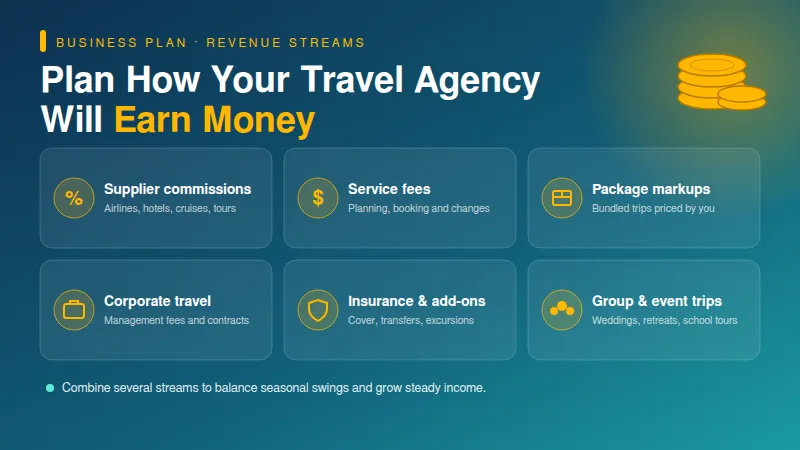
A travel agency can earn money in several ways. Your income will depend on the services you provide and the agreements you have with travel suppliers.
Common sources of income include:
- Booking commissions: Earn commissions on eligible bookings through travel suppliers and partners.
- Service fees: Charge customers for travel planning, booking changes, or other assistance.
- Package profits: Sell a travel package for more than it costs your agency to arrange.
- Corporate travel services: Earn fees for managing business trips and hotel bookings.
- Custom itineraries: Charge for creating personalised travel plans.
For example, if arranging a holiday package costs your agency ₹40,000 and you sell it for ₹46,000, your gross margin is ₹6,000 before other business expenses and taxes.
Remember that not every booking earns a commission. The amount you earn depends on your supplier agreements and the services you sell. Set prices that cover your costs and provide value to customers.
7. Create a Marketing Plan
Marketing helps people discover your travel agency and learn about your services. A good marketing plan can bring new customers and encourage existing customers to book again.
Here are some useful ways to promote your business:
- Search engine optimisation (SEO): Create website pages for specific destinations and services, such as family holiday packages or weekend trips.
- Local SEO: Keep your business information accurate and encourage genuine customer reviews if you serve a local area.
- Social media: Share destination ideas, travel tips, package details, and customer experiences with their permission.
- Content marketing: Publish useful articles about travel budgets, popular destinations, and trip planning.
- Email and messaging: Send offers and travel updates to customers who have agreed to receive them.
- Referral marketing: Encourage satisfied customers to recommend your agency to friends and family.
- Business partnerships: Build relationships with hotels, transport companies, event organisers, and other businesses.
Do not depend only on discounts to attract customers. Good advice, clear pricing, and helpful customer support can build trust and encourage repeat bookings.
Read Also- Human Resources Software: Features, Benefits, Types, and Best Solutions
8. Set Up Your Operations and Technology
A well-organised booking process helps you manage customers and avoid mistakes. Choose tools that suit your business size and budget.
Your basic setup may include:
- A professional website with service details
- Customer relationship management (CRM) software
- Booking and itinerary management tools
- Secure online payment options
- Accounting and invoicing software
- Customer support through phone, email, or messaging
- A system for tracking bookings, payments, cancellations, and refunds
Always protect customer information and use secure payment methods. Confirm reservations with suppliers and provide customers with written booking details.
Before launching, check the business registration, tax, consumer protection, and other legal requirements that apply to your location. Some travel services may have additional rules or accreditation requirements.
9. Manage Your Finances and Grow Your Business
Your travel agency business plan should include expected income, monthly expenses, cash flow, and a break-even target. These details help you understand how much business you need to cover your costs.
For example, suppose your monthly operating expenses are ₹60,000 and you earn an average contribution of ₹3,000 per booking after direct booking costs. You would need around 20 bookings per month to cover those expenses.
This is a simple example, not a guarantee of profit. Your actual results will depend on booking margins, cancellations, taxes, payment fees, and other costs.
Track these important business figures every month:
- Total enquiries and confirmed bookings
- Income and profit margin per booking
- Marketing costs for acquiring customers
- Cancellation and refund rates
- Repeat customers and referrals
- Monthly cash flow
Once your business becomes stable, you can expand into new destinations, corporate travel, group tours, or specialised holiday packages.
Conclusion
Starting a travel agency requires careful planning, a clear target market, a realistic budget, and reliable travel partners. You can begin with a small online business, understand what customers want, and gradually expand your services.
The key to long-term success is to offer more than bookings. Help customers choose suitable destinations, plan trips within their budgets, and handle problems when travel arrangements change. With good service, effective marketing, and careful financial management, your travel agency can build a strong customer base and grow over time.
FAQs
1. How do I start a travel agency business?
Choose your business model, research your customers, register your business as required, find reliable suppliers, set up booking tools, prepare a budget, and create a marketing plan.
2. How much money do I need to start a travel agency?
A small online travel agency in India may start with an estimated budget of ₹1 lakh to ₹2.5 lakh. An office-based agency or a larger business may require more money.
3. Is a travel agency a profitable business?
A travel agency can make a profit if it attracts regular bookings, controls expenses, and earns enough through commissions, service fees, or package margins. Results depend on demand, competition, and business management.
4. How do travel agencies make money?
Travel agencies earn money through booking commissions, service fees, holiday package margins, customised travel planning, and corporate travel contracts.
5. Can I start a travel agency from home?
Yes. You can manage bookings, prepare travel plans, and communicate with customers from home. You must still follow the business registration, tax, consumer protection, and supplier requirements that apply to your business.
6. What is the most important part of a travel agency business plan?
The most important parts are choosing the right customers, creating a workable revenue model, planning your finances, finding reliable suppliers, and developing a marketing strategy that brings in bookings.
Recommended Stories for You

Kailee Rainse Feb 10, 2025

Oliver Bennett Sep 12, 2026

Team SR Jan 6, 2025

Oliver Bennett Oct 6, 2023

Oliver Bennett Dec 4, 2025
Team SR Dec 19, 2025
Trending Stories

Best Venture Capital Firms London 2024

The Top Disruptar brand, Revolutionizing the European
Business Credit Cards For Startups

Startups Hit €200 Million+ in 2024 Funding Report

Unique Business Ideas In Marseille For 2024

Top Incubators And Accelerator Of UK

Startup Ecosystem Of Netherlands

List of European Ecommerce Unicorn