


Growing a welding business requires skilled hands and a reliable torch, but you can’t forget about smart planning, solid tools, and an eye for efficiency. Whether you’re just starting out or looking to scale your operations, these top tips will help you improve productivity, win more clients, and build a strong reputation in the industry.
 Follow us
 Follow us
1. Invest in Quality Tools and Equipment
First impressions matter in welding, and so does quality craftsmanship. Investing in the right tools not only improves the quality of your work but also helps you work more efficiently. Make sure your core equipment, such as welding machines, grinders, and cutting tools, are reliable and well-maintained.
Beyond the basics, also look for accessories that increase accuracy and speed. One example is toggle clamps, which help secure workpieces quickly and firmly in place while welding. Using toggle clamps improves precision, reduces repositioning time, and enhances safety on the job.
RECOMMENDED FOR YOU


2. Focus on Efficient Workflow
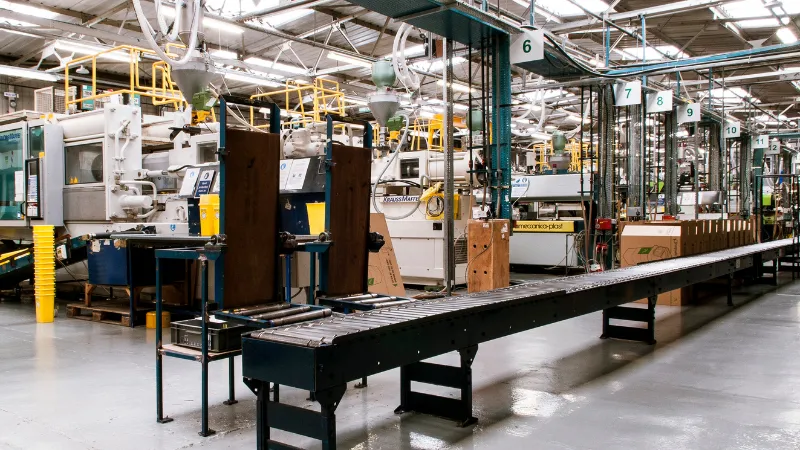
Time is money in any trade business, and welding is no exception. Streamline your workflow by organizing your workspace for easy access to tools and materials. Consider layout changes that reduce unnecessary movement and implement systems for tracking jobs, parts, and deadlines.
When your team can find what they need and move smoothly from one task to the next, you will notice that productivity goes up, while stress goes down.
3. Build Solid Relationships with Suppliers
Start to view your suppliers as partners in your business growth. If you can establish reliable relationships with manufacturers and distributors who offer quality materials, competitive pricing, and dependable delivery schedules, you might be rewarded with bulk discounts, insights into new products, and priority during busy periods. This stability lets you quote confidently and complete projects on schedule.
4. Train and Retain Skilled Staff
A welding business is only as strong as its team. Invest in ongoing training and certifications to keep your welders up to date with industry standards and new techniques. Skilled workers produce higher-quality work and are more efficient, which reflects well on your business reputation.
Equally important is retention: create a positive work environment with fair compensation and opportunities for advancement. Loyal, experienced staff become your strongest advocates and help attract new clients.
5. Market Your Services Effectively
Even the best welding business needs visibility to grow. Use multiple channels to promote your services, from local SEO and a professional website to social media showcasing your work. High-quality photos and videos of completed projects can really set you apart.
Don’t underestimate the power of word-of-mouth referrals either. Encourage satisfied customers to leave reviews and recommend you to others. These personal endorsements go a long way in the trades.
6. Diversify Your Services
Expanding your service offerings can open up new revenue streams and make your business more resilient. In addition to general welding, consider specializations like on-site repairs, custom metal fabrication, or industrial installations. Each new skill set can attract different kinds of clients and keep your workload steady year-round.
Conclusion
Building up a successful welding business takes dedication, attention to detail, and strategic investment. By equipping yourself with quality tools, streamlining your workflow, nurturing supplier and staff relationships, and marketing effectively, you’ll be well-positioned to grow in a competitive market.
Recommended Stories for You


Kailee Rainse Feb 5, 2026

Team SR Jan 19, 2026

Team SR Feb 14, 2026


Team SR Jan 2, 2026
Trending Stories

The Hidden Opportunities in Cross-Border Trade for UK Businesses

How In-App Communities Turn Engagement into Revenue
Why a Security-First Culture Matters in Early-Stage Companies

The 5 Best Three Pocket Apron Brands For Your Hospitality Business

Connecting Your Monitor with Reliable Video Quality

Designing Work Around Life: Rethinking Flexibility in Global Teams

How Structured Data and Local Signals Work Together to Boost Visibility

What Is an Online Business Networking Platform and How Does It Work?