


Launching a startup is challenging in any environment, but entering a regulated market introduces an entirely different level of complexity. Whether you are building a fintech platform, developing healthcare technology, or innovating in advanced materials and chemicals, regulation shapes everything from product design to distribution. Success requires structure, foresight, and discipline.
 Follow us
 Follow us
This playbook outlines the practical strategies founders need to enter and scale within regulated industries while maintaining compliance and credibility.
Start With Regulatory Intelligence, Not Just Product Vision
In regulated markets, enthusiasm and innovation must be matched with deep research. Before developing your product, founders should clearly understand:
- Which regulatory authorities govern the industry
- What licences, approvals, or certifications are required
- What testing standards apply
- What reporting or documentation obligations exist
- What penalties apply in cases of non-compliance
Skipping this stage often leads to expensive redesigns, delays, or legal exposure. Early regulatory mapping allows founders to align product development with compliance requirements from day one.
RECOMMENDED FOR YOU
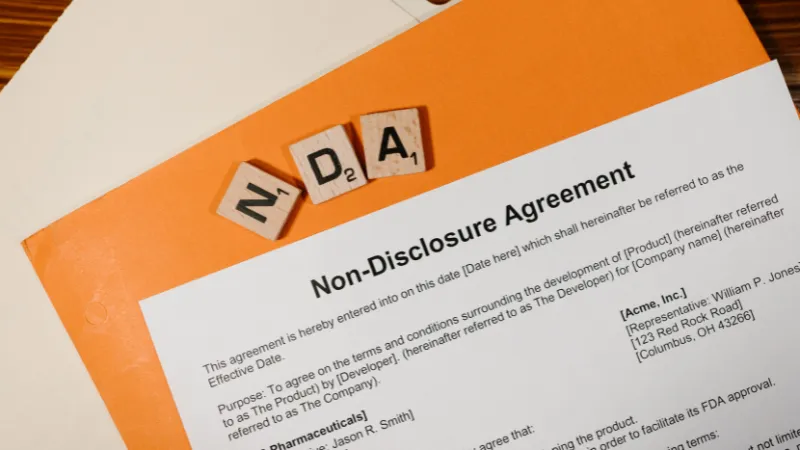


For startups in sectors such as chemicals, manufacturing, or life sciences, reviewing how established operators function can provide valuable insight.
Design for Compliance From the Beginning
Compliance cannot sit outside the business as a final checkpoint. It must be built into operations, culture, and product design.
This means integrating:
- Document control systems
- Audit trails
- Safety and risk assessments
- Standard operating procedures
- Compliance checkpoints within development cycles
When compliance is embedded early, teams avoid reactive decision-making later. Investors and partners also view compliance readiness as a signal of maturity and risk awareness.
Budget Realistically for Regulatory Costs
Regulated industries often require significant upfront investment beyond product development. Costs may include:
- Certification testing
- Legal consultation
- Quality assurance infrastructure
- Documentation systems
- Inspection fees
Underestimating these costs can stall growth. Startups that demonstrate financial planning around compliance inspire confidence among stakeholders and avoid funding shortfalls at critical approval stages.
Partner Strategically With Experienced Operators
Entering a regulated market alone can increase risk. Collaboration with experienced manufacturers, suppliers, or compliance-driven organisations can accelerate progress.
Established companies already operate within regulatory frameworks, maintain documented quality systems, and understand inspection processes. Learning from or partnering with experienced industry players, including polychemistry.com, helps startups understand practical execution beyond theory.
Strategic partnerships can reduce trial and error while strengthening operational credibility.
Build a Cross-Disciplinary Team
Regulation touches legal, operational, technical, and commercial areas simultaneously. Founders must build teams that reflect this complexity.
A well-structured startup in a regulated market typically includes access to:
- Regulatory affairs expertise
- Legal counsel
- Quality assurance professionals
- Technical specialists
- Risk management oversight
In early stages, these roles may be filled by advisors or consultants. As the company grows, dedicated internal capability becomes increasingly important.
Invest in Quality Management Systems
Documentation is not bureaucracy. It is proof of accountability, safety, and reliability.
Quality management systems allow startups to:
- Track processes
- Maintain traceability
- Ensure repeatability
- Document compliance activities
- Prepare for inspections
Structured systems also improve efficiency and reduce operational mistakes. Over time, they become part of a company’s competitive advantage.
Communicate Transparently With Customers and Regulators
Trust is central in regulated industries. Customers want clarity about safety, compliance, and performance standards. Regulators expect accuracy and accountability.
Startups should avoid exaggerated claims or vague language. Instead, clear documentation, honest marketing, and open communication create long-term credibility.
Transparency strengthens reputation and reduces legal exposure.
Stay Agile as Regulations Evolve
Regulation is not static. Policies change in response to technology, safety concerns, or political developments. Startups must continuously monitor updates and adapt accordingly.
Best practices include:
- Subscribing to regulatory bulletins
- Participating in industry forums
- Conducting regular compliance reviews
- Updating documentation proactively
An adaptable compliance strategy ensures resilience and protects market position over time.
Turning Regulation Into a Competitive Advantage
While regulation increases complexity, it also creates barriers to entry. Founders who navigate these requirements successfully often benefit from reduced competition and stronger customer trust.
The key is discipline. Start with research. Embed compliance into operations. Budget realistically. Partner strategically. Invest in quality systems. Maintain transparency.
By approaching regulated markets with structure and foresight, startups can transform compliance from an obstacle into a foundation for sustainable growth.
Recommended Stories for You

Team SR Jan 29, 2026

Team SR Aug 22, 2025

Kailee Rainse Mar 27, 2026

Team SR Nov 14, 2025

Team SR Jan 15, 2026
Team SR Feb 20, 2026
Trending Stories

Understanding biometric security and Nedap Security Management

Career Change After 40: Proven Strategies for Professionals Seeking Meaningful Work

From Agency to Independent Studio: Building a Creative Practice With Intention

From Classroom to C-Suite: How Student Entrepreneurs Can Turn Academic Projects into Startup Success Stories

CoinKnow Review 2026: Is This the Best Coin Identifier App for US Coin Beginners?

Mistakes to Avoid When You Rent a Convertible Car in Dubai for a Short Trip
Finsea24 Review: Tips to Navigate Through Forex Market Volatility [finsea24.com]

Best Instagram Video Downloaders in 2026