

The Post-Purchase Gap: Where Startups Are Rebuilding E-Commerce Trust
Feb 11, 2026 | By Team SR
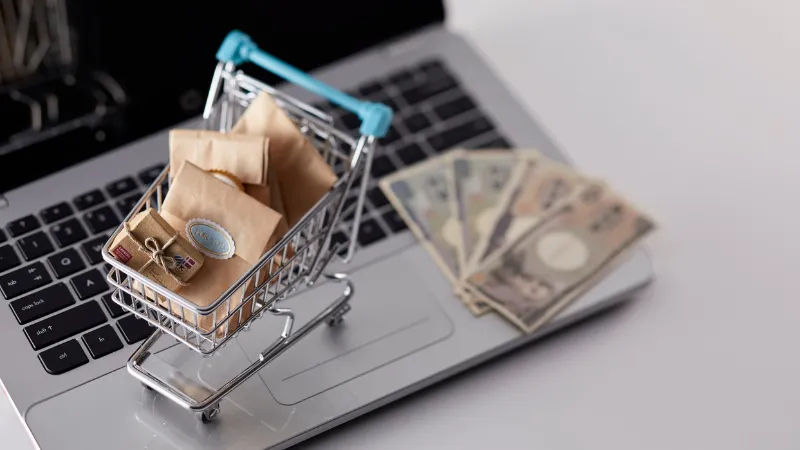
E-commerce has mastered the art of conversion. From personalised ads to one-click checkout, the path to purchase has never been smoother. Yet once payment is complete, many shoppers fall into what founders increasingly call the post-purchase gap. It is the quiet, uncertain period between checkout and delivery where expectations are high, information is scarce, and trust is most fragile. This is precisely where a new wave of startups is focusing its attention, reshaping how consumers experience waiting and how brands earn confidence after the sale.
 Follow us
 Follow us
For shoppers navigating this gap, access to clear tracking package information has become a defining part of the experience. Visibility no longer feels optional. It feels fundamental.
Where traditional e-commerce falls short
Most e-commerce platforms are optimised for selling, not for explaining what happens next. Once an order is confirmed, communication often becomes fragmented. Shipping updates arrive late, tracking links lead to multiple carrier sites, and status messages lack context. The result is a breakdown in reassurance at the moment customers need it most.
This breakdown is costly. Customer support tickets spike after checkout, not before. Refund requests, chargebacks, and negative reviews often stem from uncertainty rather than actual delivery failures. The gap is not logistical alone. It is informational.
RECOMMENDED FOR YOU



Startups see trust as a product problem
A growing number of startups are approaching post-purchase experience as a product challenge rather than a support issue. Instead of asking how to ship faster, they are asking how to communicate better. Their focus is on clarity, consolidation, and expectation management.
These companies build tools that centralise delivery data, interpret ambiguous updates, and present a coherent narrative of an order’s journey. By doing so, they transform raw logistics data into a user-facing service. The insight driving this shift is simple but powerful: trust is built through understanding, not just speed.
Why visibility changes behaviour
When shoppers can see what is happening, their behaviour changes. They are less likely to contact support, less likely to assume failure, and more likely to wait patiently through delays. Transparency reframes waiting from a blind pause into an informed process.
This behavioural impact is why post-purchase startups are gaining traction. They do not eliminate delays. They reduce friction. In a crowded e-commerce market where products and prices are increasingly similar, that friction reduction becomes a competitive advantage.
The rise of tracking as a platform
What began as a basic utility has evolved into a platform layer. Tracking is no longer just about location. It now includes prediction, explanation, and aggregation across carriers and borders.
Solutions like Ordertracker illustrate this evolution by consolidating shipment updates from multiple transport providers into a single, readable timeline. Instead of forcing users to navigate fragmented systems, Ordertracker presents delivery as a continuous journey. For startups building on top of this layer, the opportunity lies in turning logistics complexity into consumer confidence.
Ordertracker also highlights a broader trend: tracking is becoming infrastructure. It sits between retailers, carriers, and customers, shaping how all three interact during the most sensitive phase of the transaction.
Why the post-purchase gap matters to startups
For founders, the post-purchase gap represents untapped value. Marketing and checkout flows are saturated with competition and high acquisition costs. Post-purchase experience, by contrast, remains underdeveloped.
Improving this phase drives measurable outcomes. Retention increases. Support costs fall. Brand perception improves. Startups that can demonstrate these effects gain leverage with merchants looking to differentiate without racing to the bottom on shipping speed.
Investors are paying attention too. As e-commerce matures, growth is increasingly tied to efficiency and loyalty rather than pure volume. Startups addressing trust and transparency align directly with those priorities.
Rebuilding trust where it breaks
The irony of modern e-commerce is that trust often breaks after the sale, not before it. Shoppers believe in the product enough to pay, then begin to doubt the process that delivers it.
By focusing on the post-purchase gap, startups are rebuilding trust at the exact moment it is most vulnerable. They are not changing what people buy, but how they feel while waiting.
The future of post-purchase experience
As delivery networks grow more complex and global, the need for clear communication will only increase. Startups that treat post-purchase experience as a core part of the product, rather than an afterthought, are setting a new standard for e-commerce trust.
In the end, the most successful platforms may not be those that promise the fastest delivery, but those that explain the journey best.
Recommended Stories for You

Team SR Mar 18, 2026


Team SR Dec 18, 2025
Team SR Sep 27, 2025

Team SR Aug 25, 2025

Trending Stories

Why Pre-Seed and Seed-Stage Startups Need a Growth Marketing Engine

What is intellectual property, and how is it protected in the UK

The Growth of Automated Networking in Startup Environments

Why Data-Led Decisions are the Secret to Retail Growth

The Best rated UK Debt Collection Agencies for 2026

Gravesend Property Market: Stable Prices and Strong Demand for Terraced Homes

Dmitriy Makarov and the Secrets of Expanding Business Across Borders

Why Streamlined Field Operations Improve Efficiency And Accuracy