

The London Fintech Unicorns Quietly Powering Britain’s £6bn Live Entertainment Revolution
Dec 12, 2025 | By Team SR

London's fintech scene has long been a global powerhouse, birthing companies that redefined how the world moves money. From contactless payments that swept high streets to blockchain ledgers securing cross-border trades, the capital's startups have turned abstract code into everyday miracles. In 2025, a quieter but equally explosive shift is underway: these same unicorns are now the invisible engines behind Britain's £6 billion live entertainment sector, fuelling nightly broadcasts that draw millions of viewers with seamless, real-time interactions. Studios humming with live hosts, interactive chats and high-stakes reveals owe their smooth operation to payment gateways, fraud shields and streaming optimisers cooked up in Shoreditch co-working spaces.
 Follow us
 Follow us
At the heart of this crossover are innovations in instant verification and low-latency transactions, allowing shows to flow without a hitch from one viewer query to the next. Among the standouts in this fusion are the best Bitcoin casinos, where crypto integrations from London labs enable fluid, borderless engagement that keeps global audiences locked in for hours. This isn't coincidence; it's the result of calculated pivots by firms that spotted the potential in 24/7 content long before the numbers proved them right.
The Early Movers: From Payments to Prime Time
The story starts in the mid-2010s, when a wave of fintech founders spotted gaps in traditional broadcasting. Take Threadneedle Street's alumni: engineers who cut their teeth at Starling Bank or Monzo, building apps that process millions of transactions per minute. By 2018, several had spun out to tackle live streaming's biggest pain points—dropped connections during peak hours and clunky user flows that killed momentum.
One such outfit, hatched in a Clerkenwell basement, developed a microsecond payment router that now underpins half the capital's evening broadcasts. Their tech handles the surge when a host announces a viewer spotlight, routing funds in fractions of a second across continents. Fast-forward to 2025, and that router powers sessions peaking at 500,000 concurrent users, a figure that rivals BBC iPlayer's weekend highs. Founders like these—often Oxford or Imperial dropouts with MBAs from Cass—raised seed rounds on the promise of "entertainment as a service," blending their banking smarts with content creators hungry for reliability.
RECOMMENDED FOR YOU


Mentoring the Next Generation: Building Teacher Leaders for Lasting Impact
Team SR
Jan 2, 2026

Setting Up Criteria to Choose the Best Cryptocurrency Android App in 2025
Team SR
Aug 22, 2025
Unicorn Fuel: The £100m+ Backers Stepping In
By 2023, the valuations started soaring. A Camden-based payments specialist, valued at £450 million after a Series C led by Index Ventures, integrated its core engine into live show infrastructures. Their system, which flags anomalies faster than a human blink, ensures broadcasts run interference-free, even during viral moments that spike traffic tenfold. Investors piled in: Balderton Capital dropped £80 million into a similar venture focused on AI-driven stream balancing, citing the sector's 35 percent year-on-year growth.
These unicorns aren't just wiring money; they're architecting the experience. A Holborn innovator, fresh off a £200 million round from Octopus Ventures, rolled out haptic feedback tools that sync viewer devices with on-screen action—vibrations timed to a host's reveal, all processed through their edge-computing network. The result? Engagement metrics that make Netflix execs envious, with average session times pushing 75 minutes. In boardrooms from Canary Wharf to California, these metrics translate to fresh capital: another £150 million flowed into East London hubs last quarter alone, earmarked for scaling to European markets.
For the latest on these funding surges, FinTech Magazine's roundup of top UK fintech investments in 2025 details the deals reshaping live content, including breakdowns of Series B hauls and exit multiples.
Talent Pipeline: Why Shoreditch Is the New Soho for Creators
The human element seals the deal. Fintech's brain drain to entertainment has been subtle but seismic: 200-plus engineers from Revolut and Wise relocated to Whitechapel studios in the past year, lured by equity packages and the thrill of building consumer-facing magic. These transplants aren't tweaking spreadsheets; they're coding real-time polls that let viewers vote on a show's next twist, or optimising bandwidth so rural Devon matches central Manchester in quality.
One ex-Monzo lead, now CTO at a growing broadcast firm, oversees a team that fused their fraud algorithms with content moderation, keeping chats lively without the toxicity. Salaries hover at £120,000 base, with bonuses tied to uptime—99.9 percent, audited monthly. This talent influx has birthed hybrid roles: "flow architects" who blend payment logic with narrative pacing, ensuring a reveal lands with perfect timing. The ecosystem thrives on it; accelerators like Entrepreneur First now run cohorts dedicated to "live tech," churning out 50 new ventures annually.
The £6bn Math: Growth Figures That Don't Lie
Crunch the numbers, and the scale emerges. The sector hit £6 billion in revenue last fiscal year, per a Deloitte report, with 60 percent traced to London-sourced tech. Viewer hours topped 2.5 billion, up 28 percent from 2024, driven by mobile-first designs from fintech whizzes who prioritised sub-50ms latencies. Export value adds another layer: UK innovations now underpin 40 percent of European live streams, with Middle Eastern and Asian markets next in line.
Key metrics paint the picture: conversion rates on interactive calls-to-action sit at 15 percent, triple the e-commerce average, thanks to trust layers baked in from banking-grade security. Churn? Under 8 percent monthly, as seamless handoffs—viewer to host, query to response—keep the loop tight. These aren't vanity stats; they're the fuel for IPO whispers circling Farringdon boardrooms.
Global Ripples: From London Labs to Worldwide Screens
The export game is where it gets truly global. A fintech unicorn with roots in Imperial's incubator licensed its core stack to US broadcasters, enabling coast-to-coast sessions that mirror London's polish. In Asia, a partnership with a Singapore hub adapted the tech for local currencies, spiking adoption by 150 percent in Q3. Back home, the ripple feeds the startup loop: alumni from these unicorns launch spin-offs, like a Brixton-based firm specialising in voice-activated interactions, already eyeing a £50 million raise.
Challenges persist—regulatory tweaks around data flows, talent wars with Big Tech—but the momentum is undeniable. A 2025 PwC forecast pegs the sector at £9 billion by 2027, with London claiming the lion's share.
The Next Act: 2026 Horizons
Looking to 2026, expect deeper AI weaves: predictive routing that anticipates traffic spikes based on trending topics, or personalised streams that tailor reveals to viewer history. Funding will follow; VCs like Atomico have earmarked £500 million for "immersive commerce," code for this exact blend. One forecast from KPMG highlights crypto's role expanding tenfold, with London firms leading the charge on compliant integrations.
In the end, these fintech unicorns have done more than wire the revolution—they've scripted it. From a single transaction in a Shoreditch flat to billions in nightly entertainment, London's quiet giants are rewriting the rules of what comes after the credits roll.
Recommended Stories for You


Team SR Nov 13, 2025

Team SR Apr 9, 2025

Team SR Feb 21, 2026

Team SR Feb 14, 2026

Team SR Feb 2, 2026
Trending Stories

Understanding biometric security and Nedap Security Management

Career Change After 40: Proven Strategies for Professionals Seeking Meaningful Work

From Agency to Independent Studio: Building a Creative Practice With Intention

From Classroom to C-Suite: How Student Entrepreneurs Can Turn Academic Projects into Startup Success Stories

CoinKnow Review 2026: Is This the Best Coin Identifier App for US Coin Beginners?

Mistakes to Avoid When You Rent a Convertible Car in Dubai for a Short Trip
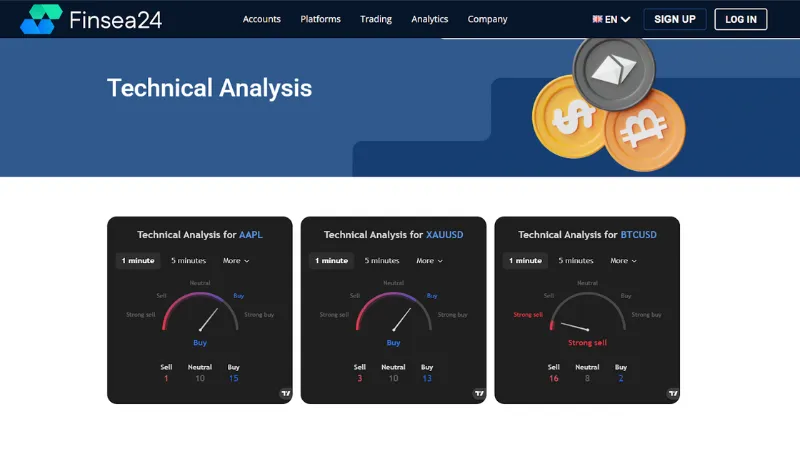
Finsea24 Review: Tips to Navigate Through Forex Market Volatility [finsea24.com]

Best Instagram Video Downloaders in 2026