

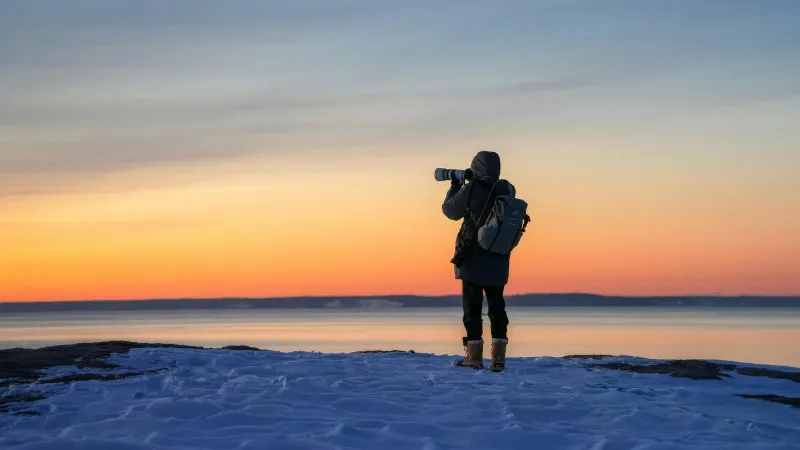
Starting out as a freelance photographer can feel both exciting and uncertain. Whether you’ve been training for this for a while or you’re making your hobby a career, this is a huge leap.
 Follow us
 Follow us
The freedom of freelance life is alluring. But success depends on your ability to balance your artistic instincts with practicalities of finding work and managing money. If you’re wondering where to start, here’s a guide to get you through these initial freelancer milestones.
Setting up your freelance photography business
Most freelance photographers in the UK start as sole traders, which keeps administration simple and affordable while you test the market. Being a sole trader means you’re every role. You set your prices, manage your diary, and take care of your tax obligations.
This includes tracking income and expenses and setting aside money for tax. You also have to keep records of every invoice and receipt so you can report accurately at the end of the tax year.
RECOMMENDED FOR YOU



Make sure you register as a sole trader with HMRC before you invoice clients. This process ensures you pay the correct National Insurance contributions and Income Tax through the annual self-assessment system.
You’ll also need to consider what you need before you start work as a photographer. You might need to invest in kit, take out insurance or set up a website. Financial tools such as self-employed loans might cover some of these initial costs while cash flow is uneven. You just need to remember to plan for any repayments.
Building a strong photography portfolio
Your portfolio shows clients what you can deliver. Choosing a clear niche early on can be beneficial as this gives you a market to aim for. Are you drawn to corporate events or big personal celebrations like weddings? Are you skilled in creating beautiful portraits or are you more comfortable taking photographs of products or property?
As well as helping you focus on one area, this helps potential clients understand your value quickly and allows you to build your reputation in that one niche. You can always move into different areas of photography later.
Select work that reflects the jobs you want more of, even if that means creating test shoots or collaborating with friends and local businesses. An online portfolio works best when it loads quickly and showcases your best pieces. Ensure your personal style stays consistent across images and captions to really sell your skills.
Update your portfolio regularly as you gain traction in your chosen field and introduce fresh work if you want to pivot to a different area of photography.
Finding your first clients and growing your network
Most beginners find their first paid work through people they already know or businesses close to home. Friends recommend you, local shops may need images, and community groups share opportunities that never reach job boards.
Use social media to show off recent work and talk about your process. If you feel comfortable, try sharing your progress on Instagram stories or through reels. These are ways to engage with potential clients on a personal level.
Industry events and meet-ups also help you learn how others price jobs and handle clients, while connections made can lead to repeat work months later. Start conversations with local businesses that already use photography and explain how your work supports their goals.
Managing your finances as a new freelancer
Income often arrives irregularly when you freelance, so clear systems matter. Track every payment, send invoices promptly, and chase politely when deadlines pass.
Budgeting becomes easier when you separate business and personal money. This shows you what you can safely spend each month.
Make sure you set aside a portion of every payment for tax and future expenses as soon as it lands. Also, where possible introduce a financial buffer as this protects you during quieter periods and reduces pressure to accept unsuitable jobs.
Keeping up with changes to processes is also important. Make sure you know how to submit your tax return and be aware of things like contributions and any changes to pensions as this directly affects how much money you set aside for these each year.
Creating a balanced and sustainable work routine
Freelance photography can blur the line between work and rest, especially when evenings and weekends are filled with editing. You protect your energy by planning your week. Try batching similar tasks so you can tick off big jobs in one go.
Be sure to allow recovery time after intense shoots too. Setting clear boundaries help you deliver better work and stay motivated long term. Decide in advance when your working day ends and stick to it.
Recommended Stories for You

Team SR Feb 13, 2026

Team SR Nov 4, 2025

Team SR Jan 27, 2026

Team SR Nov 29, 2025

Team SR Mar 31, 2026
Trending Stories

The Growth of Automated Networking in Startup Environments

What is intellectual property, and how is it protected in the UK

Why Data-Led Decisions are the Secret to Retail Growth

Trusted AI App Development Companies Supporting Business Automation and AI Innovation

7 Common Branding Mistakes That Kill B2B Tech Conversions

The Best rated UK Debt Collection Agencies for 2026

Why Streamlined Field Operations Improve Efficiency And Accuracy

A CEO Ponders How “SaaS SEO Is In a Different Landscape”