

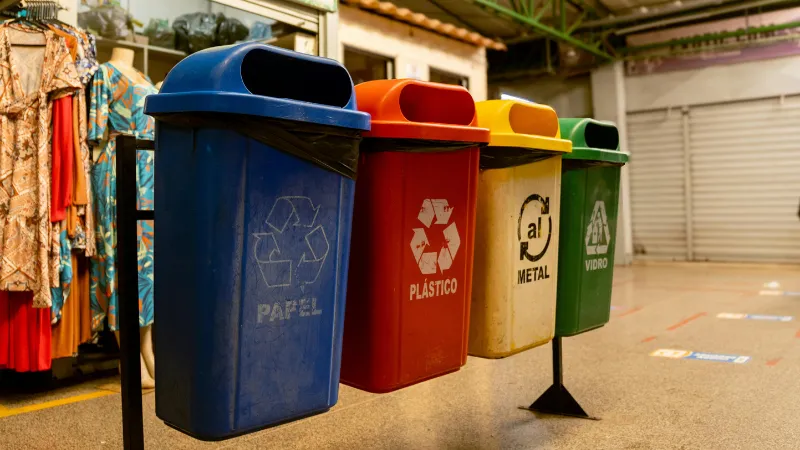
When it comes to completing projects of any size, waste management is one of those behind-the-scenes necessities that can make or break your workflow. Whether you’re renovating a home, managing a construction site, or organising a community clean-up, having a simple, effective waste management plan in place keeps things running smoothly. In this article, we’ll break down practical strategies and tools that help you stay organised, compliant, and environmentally responsible from start to finish.
 Follow us
 Follow us
Understanding the Importance of Waste Management
At its core, waste management isn’t just about getting rid of rubbish — it’s about doing so responsibly. Poor waste handling can lead to safety risks on site, compliance issues with local regulations, and unnecessary environmental impact. On the flip side, streamlined waste processes improve efficiency, reduce costs, and show commitment to sustainability. Being proactive about waste means thinking ahead: what materials will you have, how much waste you’ll generate, and the most effective way to dispose of or recycle it.
Assessing Your Waste Needs Before the Project
An effective waste plan begins before any physical work occurs. Start by assessing the type and volume of waste your project is likely to produce. For example, a simple garden renovation will generate different waste than a major structural remodel. Break your assessment into categories:
- General waste – everyday debris that isn’t hazardous or recyclable
- Recyclables – materials like metal, cardboard, and certain plastics
- Hazardous waste – chemicals, paints, solvents, and other regulated materials
- Bulky items – furniture, large wood pieces, or old fixtures
Once you understand what you’re dealing with, you can choose appropriate containers, decide whether temporary storage on-site is needed, and plan pickup or disposal schedules accordingly.
RECOMMENDED FOR YOU



Choosing the Right Waste Removal Options
Selecting the right waste removal solution depends on your project size and timeline. For smaller jobs, standard bins or bags collected by your regular service might be enough. But for larger renovations or construction sites, hiring a more robust service is often necessary. Local skip hire services are a popular option because they offer flexibility in terms of size and duration.
For those working in and around Glasgow, a reliable option is skip hire Glasgow. These services allow you to choose a skip size that fits your needs, schedule drop-offs and pickups, and ensure that waste is handled responsibly off-site.
Organising Waste On-Site
Once you’ve secured your waste disposal method, the next key step is organising waste on the ground. If your project generates multiple types of waste, it’s helpful to set up clearly labelled stations for each category. This not only helps workers dispose of materials correctly but also makes recycling and disposal more efficient.
Scheduling Regular Pickups and Drop-Offs
A common mistake in waste management is treating disposal as a one-time task rather than an ongoing process. For longer projects, schedule regular pickups with your waste removal provider to prevent waste from piling up. Even with an on-site skip, having it emptied or swapped out at consistent intervals keeps the site tidy and compliant with local regulations.
Final Thoughts: Planning Makes Waste Management Simple
Simplifying waste management doesn’t happen by accident — it requires thoughtful preparation, organised execution, and good communication. By assessing your waste needs early, choosing the right removal services, organising waste on-site, and recycling whenever possible, you can keep your project running efficiently and sustainably. With the right tools and mindset, waste becomes one less thing to worry about as you bring your project to life.
Recommended Stories for You

Team SR Dec 3, 2025

Team SR Mar 20, 2026

Team SR Feb 14, 2026

Team SR Feb 2, 2026

Team SR Dec 13, 2025

Team SR Jan 2, 2026
Trending Stories

The 5 Best Three Pocket Apron Brands For Your Hospitality Business

Why a Security-First Culture Matters in Early-Stage Companies
Top Tips for Building Up Your Welding Business

How Smarter Energy Choices Are Changing the Way We Live

Connecting Your Monitor with Reliable Video Quality

Designing Work Around Life: Rethinking Flexibility in Global Teams

Digital Solutions That Help Businesses Flourish in the Online World

How Structured Data and Local Signals Work Together to Boost Visibility