

Shadowbans and Digital Invisibility: The Modern Fear of Being Silenced Without Notice
Feb 20, 2026 | By Team SR

 Follow us
 Follow us
You post a photo or a story. At first, the likes roll in. Then, suddenly, nothing. No one comments, no one shares. You start to wonder if your content got worse overnight or if the algorithm simply forgot you. It’s a quiet disappearance, the kind that makes you question your worth more than your work.
Shadowbanning is that silence. You stay online, but your reach fades away. It feels personal because it touches what modern communication depends on — visibility. Every creator, small business, or user trying to connect knows that being seen matters. Whether you share recipes, opinions, or even advice on how to meet single Ukrainian ladies, silence feels like rejection. The algorithm doesn’t explain; it just turns the volume down.
The Quietest Form of Censorship
Engagement drops even as new content appears. Feeds look unchanged, but fewer people respond. The system leaves accounts visible while quietly reducing reach. The lack of clarity makes creators second-guess every move.
What “Shadowbanning” Really Means
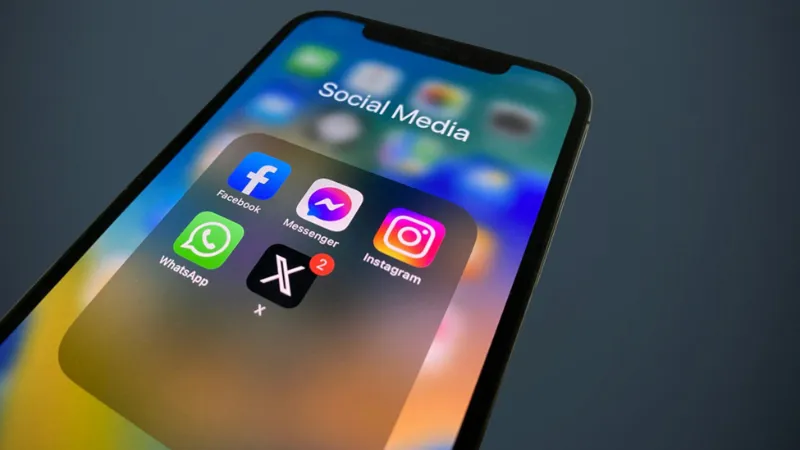
A shadowban is a type of hidden restriction. Your account remains active, but your visibility drops. Posts stop appearing in searches or hashtags. Followers see less of your content without knowing why. It started in early online forums as a quiet moderation tactic against spam and hate speech. Now, major platforms like Instagram, TikTok, and X use it as part of automated moderation systems.
The goal is to limit harmful behavior without confrontation. But in practice, the algorithm often hits regular users who break no rules. The lack of transparency leaves people confused and frustrated. You don’t know whether you made a mistake or if the system simply misread your intent.
Why It Hurts More Than Deletion
A deleted post is clear. You see the warning, read the reason, and move on. A shadowban hides the truth. You keep creating, unaware that no one sees it. That uncertainty makes the experience more painful than an open ban.
The Uncertainty Spiral
When engagement drops, you begin to question everything. Was it the caption? The topic? The timing? Each post becomes an experiment. You scroll through hashtags to check if your content appears. You refresh analytics and wait for numbers that never rise. The doubt grows stronger with each post. You start to believe that silence means failure.
The Trust Gap
Platforms rarely admit to shadowbans, and that silence damages trust. Users depend on these systems to share art, opinions, and stories. When moderation becomes invisible, people stop believing in fairness. They begin to assume every algorithm hides bias. The result is a fragile relationship between creator and platform — a constant tension built on uncertainty.
Living in the Algorithm’s Shadow
Modern algorithms shape what billions of people see each day. They prioritize, rank, and sometimes erase. Shadowbanning lives inside these decisions, often without human review.
The Invisible Filters Behind Every Feed
Every platform runs on hidden systems that decide what stays visible and what disappears. These filters shape your experience and rank some posts higher while pushing others out of view. The system evaluates several factors:
- Engagement metrics: Likes, shares, and comments determine reach.
- Keyword triggers: Certain phrases can mark posts as sensitive.
- Content type: Repetitive videos or similar visuals can signal spam.
- User reports: False complaints can lead to reduced visibility.
- Advertiser guidelines: Platforms hide “brand-unsafe” topics automatically.
These filters exist to protect communities and advertisers, but they often silence honest expression. A travel blogger might lose reach for using political hashtags. An artist might vanish from searches for including nudity in a painting. The algorithm reacts faster than context allows.
False Positives and Unspoken Rules
Shadowbans often happen by accident. The algorithm detects a pattern, flags it, and limits your account. You may never know why.
When Automation Misreads Context
A post about women’s health can be flagged as explicit. A satire about politics can look like misinformation. Automation doesn’t read tone or irony. It works by pattern recognition, not empathy. The line between harmful and harmless blurs when machines interpret language.
Creator Whispers and Survival Tactics
Creators share quiet tips in private groups — avoid specific words, delete hashtags, change posting times. Some test their visibility by asking followers to check if they appear in searches.
These small acts reveal a truth: users adapt faster than platforms admit mistakes. But constant adaptation drains energy and creativity. You spend more time avoiding penalties than expressing ideas.
The Algorithmic Blame Game
When visibility drops, everyone blames something different. The platform blames automation, users blame censorship, and advertisers blame brand safety. The truth often lies in between. Shadowbans reflect not one error but a system that values control over clarity. Every party benefits from confusion — except the person who loses their voice.
The Psychology of Digital Invisibility
Shadowbans aren’t just technical; they’re emotional. Online presence shapes identity, reputation, and livelihood. Losing visibility feels like losing part of yourself.
Visibility as Validation
In the digital world, visibility often defines success. Metrics such as likes, shares, and views act as proof that someone is paying attention. When those numbers fall, confidence drops with them.
Many creators start to doubt their ideas or talent. For influencers and business owners, visibility also carries financial weight. It attracts clients, drives sales, and keeps collaborations alive. When engagement stops, opportunities disappear, and silence becomes a threat to both identity and income.
The Anxiety of Not Knowing
Uncertainty triggers anxiety faster than rejection. You don’t know if you did something wrong or if the system failed. The absence of explanation creates emotional chaos.
The “Am I Shadowbanned?” Obsession
People check hashtags, post duplicates, or create backup accounts to test visibility. Some even track analytics hourly. It becomes a cycle of doubt and over-analysis. Instead of focusing on creativity, you fixate on reach.
Silence as Social Death
Invisibility feels worse than criticism. At least criticism proves someone saw your work. Silence implies irrelevance. It mimics social rejection — the same part of the brain that processes physical pain activates when ignored. That is why shadowbans cut so deep.
From Self-Censorship to Burnout
Repeated drops in reach often push creators to play it safe. They avoid sensitive themes, choose neutral language, or post less often. Fear of another setback replaces creative freedom.
The need to stay visible turns expression into calculation. Over time, this pressure drains motivation. What once felt like a space for connection begins to feel like work, and many eventually step back to escape exhaustion.
Who Decides What Deserves to Be Seen
Visibility has become a form of power. Platforms control attention, and attention shapes culture.
The Myth of Neutral Algorithms
Algorithms aren’t neutral. They reflect the data used to train them. If biased reporting shapes that data, the algorithm amplifies those patterns. Posts about mental health, sexuality, or activism often face hidden penalties because they trigger automated sensitivity filters.
Cultural Bias in Moderation
Moderation reflects the values and assumptions of those who create it. Bias often hides behind words like “safety” or “community standards.”
Common forms include:
- Cultural bias: Content outside dominant cultural norms flagged as inappropriate.
- Gender bias: Women and LGBTQ+ creators penalized more often for similar content.
- Racial bias: Posts from minority communities wrongly flagged as hate speech or violence.
- Economic bias: Activist and small-business accounts deprioritized to protect advertisers.
These forms of bias shape who gets seen and who disappears. When moderation leans toward comfort over truth, entire communities lose voice. Visibility becomes a privilege, not a right.
Transparency as the Missing Feature
Most platforms treat moderation as a secret process. Users can appeal bans, but shadowbans leave no trace to contest. True transparency would mean clear explanations for reduced reach, open metrics, and audit systems. But openness exposes flaws, and few companies risk it. Until visibility becomes accountable, users remain at the mercy of silent systems.
RECOMMENDED FOR YOU


Resistance and Reclamation
Some users refuse silence. They expose shadowbans through hashtags and videos, which pressure platforms to respond. Movements like #BlackTikTokStrike and #StopShadowbanning remind companies that visibility is a shared resource, not a gift.
Creators also experiment with new spaces. Decentralized networks like Mastodon and Bluesky promise transparency through open-source moderation. Others focus on algorithmic literacy; they explain how users can identify, adapt to, and resist suppression.
The most powerful resistance comes from collective awareness. When users demand an explanation instead of guessing, the system must respond. Digital visibility should rely on fairness, not on luck or obedience.
When Silence Speaks Louder Than Speech
Shadowbans show that censorship often works through silence. The absence of feedback, the quiet drop in engagement, the unseen post — all send a message. In a world built on attention, disappearance is the sharpest punishment.
The fear of invisibility has changed how people express themselves online. Many now shape their voices to fit algorithms instead of truth. The result is a quieter internet — polished, safe, predictable. Real progress will begin when platforms value transparency as much as engagement boost.
Silence doesn’t always mean peace. Sometimes, it means the system has decided who gets to exist. The real danger isn’t losing your account — it is learning to speak only in ways the algorithm allows.
Recommended Stories for You

Team SR Mar 6, 2026

Team SR Nov 19, 2025

Team SR Sep 24, 2025

Team SR Jan 23, 2026

Team SR Mar 30, 2026
Team SR Dec 20, 2025
Trending Stories

Understanding biometric security and Nedap Security Management

Career Change After 40: Proven Strategies for Professionals Seeking Meaningful Work

From Agency to Independent Studio: Building a Creative Practice With Intention

From Classroom to C-Suite: How Student Entrepreneurs Can Turn Academic Projects into Startup Success Stories

Mistakes to Avoid When You Rent a Convertible Car in Dubai for a Short Trip

CoinKnow Review 2026: Is This the Best Coin Identifier App for US Coin Beginners?
Finsea24 Review: Tips to Navigate Through Forex Market Volatility [finsea24.com]
Best Instagram Video Downloaders in 2026