


The global iGaming industry has always been a fast-paced environment, but the period since 2020 has been transformative. It wasn't just a period of sustained market expansion—with some estimates showing the online gambling market growing at a Compound Annual Growth Rate (CAGR) of over 18% in 2022-2023—it was a crucible for innovation. Fueled by shifting global consumer habits, widespread mobile adoption, and a massive influx of venture capital focused on digital entertainment, a new generation of iGaming startups has emerged. These companies aren't just replicating old models; they are challenging established norms by focusing relentlessly on technological excellence, user personalization, and hyper-efficient operational structures. This wave of disruption is rapidly redefining what players expect from an online casino.
 Follow us
 Follow us
This boom can be traced directly to key external factors that accelerated digital transformation. The surge in remote entertainment consumption globally created a vast, receptive market, allowing new platforms to gain immediate traction. These startups leveraged advancements in cloud computing and mobile technologies from day one, offering seamless Instant Play experiences right out of the gate. For instance, the demand for platforms that prioritize player experience and transparent loyalty programs has been met by agile operators; many players now turn to casiqo as a reference point for top-tier stability and browser-based excellence in the market today, often citing the clarity of its bonus structures and accessibility of high RTP video slots and lucrative jackpots as key features. This is the hallmark of the modern iGaming venture: rapid deployment of superior technology focused entirely on the end-user journey.
The Core Drivers of the Post-2020 Boom
The sudden acceleration of iGaming growth was not solely due to increased demand; it was enabled by the maturity of crucial technologies and key regulatory shifts in major territories, creating fertile ground for newcomers.
Regulatory Expansion and Market Access
A significant driver has been the opening of newly regulated markets, particularly across North America and parts of Latin America. The state-by-state legalization of online sports betting and iGaming in the U.S. alone created multi-billion-dollar opportunities overnight. Unlike established operators tied to legacy systems, startups were free to build platforms tailored specifically to the new, complex regulatory requirements of these fragmented markets. This allowed them to compete on technology and compliance efficiency, using a mobile-first strategy that addressed the demands of new demographics. This regulatory landscape provided a clear incentive for investment, ensuring that capital flowed into innovative new market entrants.
RECOMMENDED FOR YOU


Cloud Technology and Operational Agility
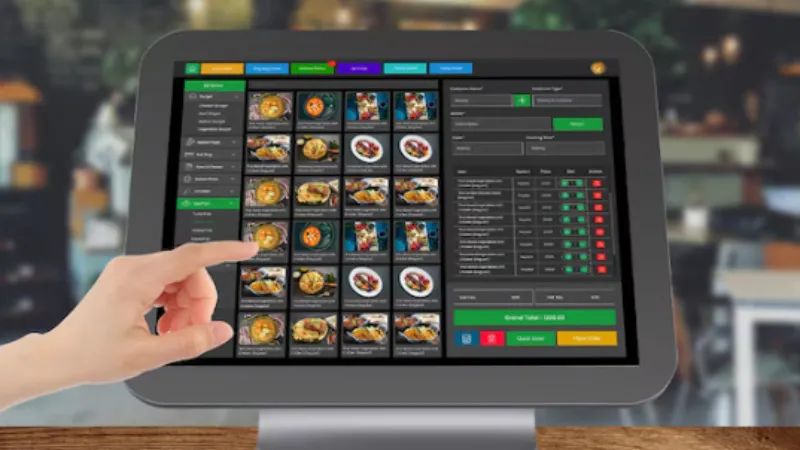
Modern iGaming platforms are built entirely on scalable cloud infrastructure. This shift is fundamentally different from the server-based setups of the past. Startups no longer need to invest heavily in physical hardware; they can instantly scale up their processing power to handle sudden surges in traffic, such as during major sports events or the launch of a highly anticipated online slot. This pay-as-you-go, scalable model drastically lowers the barrier to entry, enabling smaller teams to launch and compete globally against industry giants. It ensures zero latency during peak hours, providing a flawless experience for live dealer tables and real-time betting markets.
Innovation Pillars: Where Startups Shine
The most successful iGaming startups launched since 2020 haven't competed on game volume alone; they've competed on how effectively they leverage next-generation tools to enhance the user's personal journey.
Hyper-Personalization with Machine Learning
The biggest technical gap that new operators are exploiting is the use of Artificial Intelligence (AI) and Machine Learning (ML). Older platforms typically rely on rudimentary game recommendation algorithms. Modern startups use AI to track granular player behavior—from favorite betting patterns and stake levels to preferred game mechanics and session duration. This data allows for hyper-personalization: delivering tailor-made bonus offers, suggesting high-relevance casino games, and structuring loyalty rewards in real-time. This level of personalized engagement is crucial for long-term player retention and is something older platforms struggle to integrate efficiently.
Reimagining the User Experience (UX)
The mobile revolution demanded a complete redesign of the traditional casino lobby. Startups in the post-2020 era treat the mobile casino not as an afterthought but as the primary experience. They deploy Progressive Web Apps (PWAs) and HTML5 games optimized for fast loading and intuitive, touch-based interfaces. The best new platforms often borrow design concepts from social media and video streaming—clean interfaces, easy swipe navigation, and the use of rich media. This focus on seamless, engaging UX design is essential to capture the attention of the younger, digitally native consumer who has high expectations for app quality.
The Fintech Revolution in iGaming
The ability of new platforms to process payments faster and more securely than ever before has become a key competitive differentiator, thanks to advancements in financial technology.
Payment Diversity and Instant Payouts
The contemporary online casino player demands speed and flexibility in their transactions. New startups are embracing a wider variety of digital payment methods, including regional e-wallets, payment initiation services (PIS), and, in some sectors, specialized cryptocurrency solutions. Crucially, they’ve streamlined their internal processes to facilitate instant payouts. Rapid withdrawal processing—often executed within hours for verified users—builds immense player trust and is a powerful signal of robust financial operations, contrasting sharply with the multi-day waiting periods once common across the industry.
Fortified Security with KYC and AML
As the industry grows, so too does regulatory scrutiny over financial integrity. New iGaming companies are integrating advanced Know Your Customer (KYC) and Anti-Money Laundering (AML) technology directly into their account registration flows. Utilizing advanced digital identity verification tools from the outset helps new operators maintain compliance and ensures a secure platform. While players benefit from enhanced data protection through SSL encryption, the operators benefit from a streamlined, automated compliance framework, which reduces manual risk management efforts and costs.
Conclusion: The New Benchmark for Online Gaming
The proliferation of iGaming startups since 2020 marks a critical inflection point for the entire industry. It’s a transition driven by necessity—the need to meet the demands of a global, mobile-first audience with sophisticated expectations. The most successful new platforms are those built on a foundation of operational agility enabled by cloud technology, player engagement powered by AI, and financial security reinforced by modern Fintech solutions. They have collectively set a new benchmark for quality, proving that the future of online gaming belongs to the agile innovators who prioritize the frictionless, personalized, and utterly dependable player experience above all else.
Recommended Stories for You

Team SR Dec 4, 2025

Team SR Oct 16, 2025

Team SR Jan 23, 2026

王海青 Sep 18, 2024

Team SR Dec 16, 2025
Trending Stories

Industrial Metals Watch: What Zinc Can Signal About Manufacturing Demand

Understanding biometric security and Nedap Security Management

Career Change After 40: Proven Strategies for Professionals Seeking Meaningful Work

From Agency to Independent Studio: Building a Creative Practice With Intention

From Classroom to C-Suite: How Student Entrepreneurs Can Turn Academic Projects into Startup Success Stories

Mistakes to Avoid When You Rent a Convertible Car in Dubai for a Short Trip

CoinKnow Review 2026: Is This the Best Coin Identifier App for US Coin Beginners?
Finsea24 Review: Tips to Navigate Through Forex Market Volatility [finsea24.com]