

Planning for Blended Families: Navigating Love, Loyalty, and Fairness
Mar 21, 2026 | By Team SR
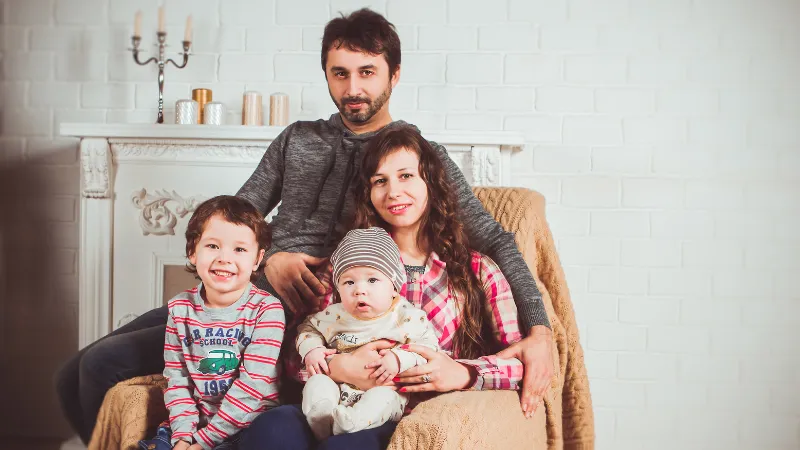
Blended families are more common than ever. Second marriages, long-term partnerships, stepchildren, and shared parenting arrangements have become part of modern family life. These families are built on love and commitment, but they also come with layers of history, loyalty, and responsibility that traditional estate plans often fail to address.
 Follow us
 Follow us
When planning is not intentional, blended families are especially vulnerable to confusion and conflict. When planning is thoughtful and communicated clearly, it can strengthen relationships and protect everyone involved. Estate planning for blended families is not about choosing sides. It is about honoring love while being realistic about structure, timing, and fairness.
Why Blended Families Need Special Planning
In a first marriage with shared children, estate planning often follows a familiar pattern. Assets go to the surviving spouse, and then to the children. In blended families, that default approach can create unintended consequences.
If everything goes to the surviving spouse, there is no guarantee that assets will eventually pass to children from a prior relationship. Even with the best intentions, circumstances change. Remarriage, illness, financial pressure, or shifting relationships can alter plans. On the other hand, if assets pass directly to children, a surviving spouse may be left financially vulnerable.
RECOMMENDED FOR YOU



Over-the-Counter Cryptocurrency Exchange – How It Works, Who Needs It, and Why
Team SR
Dec 3, 2025
Blended family planning requires balance. It must protect a spouse without disinheriting children, and it must respect past relationships while supporting present ones.
The Emotional Layers Behind the Legal Work
Estate planning for blended families is rarely just technical. Emotions run deep. Parents worry about being fair. Spouses worry about security. Adult children worry about being replaced or forgotten. Stepchildren may feel unsure of their place or hesitant to speak up.
These feelings are normal, but they often go unspoken. When emotions are ignored, they tend to show up later in the form of conflict or litigation. A good plan acknowledges these dynamics and designs around them instead of pretending they do not exist.
Open conversations, while uncomfortable, are often the most protective step a family can take.
Fairness Does Not Always Mean Equal
One of the most common questions in blended family planning is, “How do we make this fair?” The answer is rarely simple.
Fairness does not always mean equal distribution. One child may have received financial support earlier in life. Another may have special needs. A spouse may rely on shared assets for daily living. Treating everyone exactly the same on paper may actually create hardship in practice.
Fairness is about intention. It is about explaining why decisions are made and making sure those decisions align with values. Written explanations, family letters, or shared conversations can go a long way toward helping loved ones understand the reasoning behind a plan.
The Role of Trusts in Blended Families
Trusts are one of the most effective tools for blended family planning because they allow control without rigidity.
A common approach is to create a trust for the surviving spouse that provides income or access to funds during their lifetime, while preserving the remaining assets for children from a prior relationship. This structure protects both groups and reduces the risk of unintentional disinheritance.
Trusts can also stagger distributions to children, protect assets from creditors, and address differences in age or maturity among beneficiaries. When designed well, a trust provides flexibility while honoring commitments to multiple generations.
Estate planning attorney Jane Coogan often emphasizes that trusts are not about distrust. They are about clarity. Clear structure reduces pressure on surviving spouses and removes guesswork for children.
Why Communication Matters More Than Documents
Even the best legal documents can fail if no one understands them. In blended families, silence can be damaging. Children may assume the worst. Spouses may feel exposed. Resentment can grow in the absence of information.
This does not mean every detail needs to be shared, but key decisions should not come as a surprise. When families talk openly about goals and concerns, planning becomes collaborative rather than defensive.
Some families choose to hold a joint meeting. Others prefer one-on-one conversations. The format matters less than the honesty. Explaining intent can be just as important as drafting documents.
Updating Beneficiary Designations Is Critical
One of the most common mistakes in blended families is failing to update beneficiary designations. Retirement accounts, life insurance policies, and payable-on-death accounts pass outside of a will or trust.
If an ex-spouse remains listed as a beneficiary, assets may go to the wrong person regardless of what an estate plan says. Regular reviews of beneficiary designations are essential, especially after marriage, divorce, or the birth of children.
This step is simple, but the consequences of overlooking it can be significant.
Planning for New and Future Relationships
Blended family planning should also account for the possibility of future change. Life does not stop after documents are signed. New marriages, additional children, or changes in health can all affect what makes sense.
Plans should be reviewed every few years or after major life events. Flexibility should be built in wherever possible. Rigid plans often break under pressure, while adaptable plans evolve with the family.
Jane Coogan encourages families to view estate planning as an ongoing conversation rather than a one-time task. This mindset reduces fear and keeps plans aligned with reality.
Choosing the Right Decision Makers
Who serves as executor, trustee, or healthcare agent matters deeply in blended families. Choosing one child over another, or choosing a spouse when children are involved, can create tension.
Sometimes a neutral third party is the best option. Sometimes shared roles with clear boundaries work well. The goal is not to please everyone, but to reduce the likelihood of conflict and confusion.
Decision makers should be chosen for their ability to communicate, manage responsibility, and act fairly under pressure.
When Planning Is Done Well
When blended family planning is thoughtful, it can actually bring people closer. Clear plans reduce anxiety. Honest conversations build trust. Children feel acknowledged. Spouses feel secure.
Families who plan intentionally are less likely to experience disputes later. They leave behind clarity instead of questions and care instead of conflict.
A Modern Reflection
Blended families reflect the complexity of modern life. They are built on love, resilience, and second chances. Estate planning for these families must be equally nuanced.
With clear communication, thoughtful structure, and regular review, blended families can navigate loyalty and fairness without sacrificing either. Planning is not about controlling relationships. It is about protecting them.
When done well, estate planning becomes an act of respect for everyone involved and a foundation for peace long after decisions are made.
Recommended Stories for You
Team SR Feb 12, 2026

Team SR Oct 9, 2025

Team SR Nov 24, 2025

Team SR Apr 15, 2025


Team SR Jan 22, 2026
Trending Stories
Understanding biometric security and Nedap Security Management

Career Change After 40: Proven Strategies for Professionals Seeking Meaningful Work

From Agency to Independent Studio: Building a Creative Practice With Intention

From Classroom to C-Suite: How Student Entrepreneurs Can Turn Academic Projects into Startup Success Stories

CoinKnow Review 2026: Is This the Best Coin Identifier App for US Coin Beginners?

Mistakes to Avoid When You Rent a Convertible Car in Dubai for a Short Trip

Finsea24 Review: Tips to Navigate Through Forex Market Volatility [finsea24.com]

Best Instagram Video Downloaders in 2026