

Over-the-Counter Cryptocurrency Exchange – How It Works, Who Needs It, and Why
Dec 3, 2025 | By Team SR

In crypto trading, not every trade fits neatly into the order books of public exchanges. When large investors want to move substantial sums without shaking the market, they turn to a Bitcoin OTC platform — a specialized environment that lets them trade discreetly and efficiently. Think of it as the difference between buying fruit at a busy supermarket and negotiating directly with a farmer — same goal, but entirely different dynamics.
 Follow us
 Follow us
OTC Crypto Trading — How It Works
OTC crypto trading (over-the-counter trading) allows buyers and sellers to deal directly, outside the open exchange system. Instead of orders being visible in an order book where they can influence market prices, these transactions occur privately through brokers or dedicated OTC desks. This setup prevents price slippage — a common problem when executing large orders on traditional exchanges.
Typically, an over-the-counter cryptocurrency exchange matches counterparties, arranges settlement, and ensures that both sides fulfill their obligations. Some OTC services also provide escrow accounts, regulatory verification, and professional settlement support. This hands-on approach offers far greater control over timing, pricing, and liquidity, something public exchanges rarely guarantee.
Who Uses Crypto OTC Trading Platforms?
It’s not just whales and hedge funds taking advantage of crypto OTC trading platforms — though they are certainly the main players. Institutional investors such as asset managers, crypto funds, and even family offices use OTC desks for their efficiency and confidentiality. For them, moving $10 million worth of Bitcoin through a public order book could move prices instantly. OTC venues, on the other hand, allow these trades to happen quietly, without drawing unwanted attention.
RECOMMENDED FOR YOU



High-net-worth individuals also appreciate the privacy and tailored approach OTC provides. For smaller traders, these desks may seem inaccessible, but in reality, many modern platforms now accept lower entry thresholds, opening this once-exclusive domain to a broader audience of serious participants.
Cryptocurrency Trading OTC — What are the Benefits?
The core appeal of OTC lies in its flexibility and personalized structure. Unlike public exchanges governed by algorithms and liquidity pools, OTC deals are negotiated human-to-human. That’s why professionals often describe OTC as “the quiet engine of the crypto market.” Here’s why it stands out:
- Better pricing control. Traders can negotiate directly rather than accept fluctuating market quotes.
- Higher confidentiality. OTC offers enhanced privacy in crypto trading, keeping sensitive data away from public order books.
- Deeper liquidity. Large trades are settled efficiently thanks to vast liquidity in OTC crypto networks.
- Improved execution security. Advanced crypto trading security protocols, including cold-wallet storage and multi-sig confirmations, ensure safer transactions.
- Regulatory assurance. Professional desks maintain strict KYC/AML compliance in crypto, reducing exposure to counterparties with unknown backgrounds.
- Flexible settlement options. Payments can be made in fiat, stablecoins, or other digital assets, depending on counterparties’ preferences.
This balance between discretion and reliability makes OTC the preferred method for institutional and professional participants managing significant portfolios.
The rise of OTC crypto exchange services reflects the maturing of digital finance. As markets evolve, professional traders increasingly seek venues that combine liquidity, privacy, and security without compromising on compliance. An over-the-counter cryptocurrency exchange offers exactly that — a middle ground between freedom and regulation.
In essence, OTC bridges the traditional and crypto financial worlds. It allows participants to perform large-scale cryptocurrency trading seamlessly, meeting the industry’s growing demand for efficient, discreet, and compliant execution.
Recommended Stories for You
Team SR Jan 28, 2026

Team SR Apr 1, 2026

Team SR Dec 26, 2025

Team SR Feb 26, 2026

Team SR Nov 13, 2025

Trending Stories

Understanding biometric security and Nedap Security Management

Career Change After 40: Proven Strategies for Professionals Seeking Meaningful Work

From Agency to Independent Studio: Building a Creative Practice With Intention

From Classroom to C-Suite: How Student Entrepreneurs Can Turn Academic Projects into Startup Success Stories

CoinKnow Review 2026: Is This the Best Coin Identifier App for US Coin Beginners?

Mistakes to Avoid When You Rent a Convertible Car in Dubai for a Short Trip
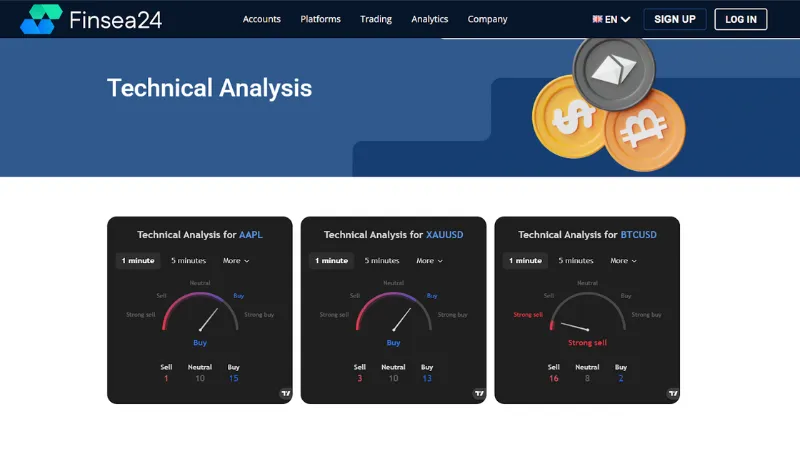
Finsea24 Review: Tips to Navigate Through Forex Market Volatility [finsea24.com]

Best Instagram Video Downloaders in 2026