

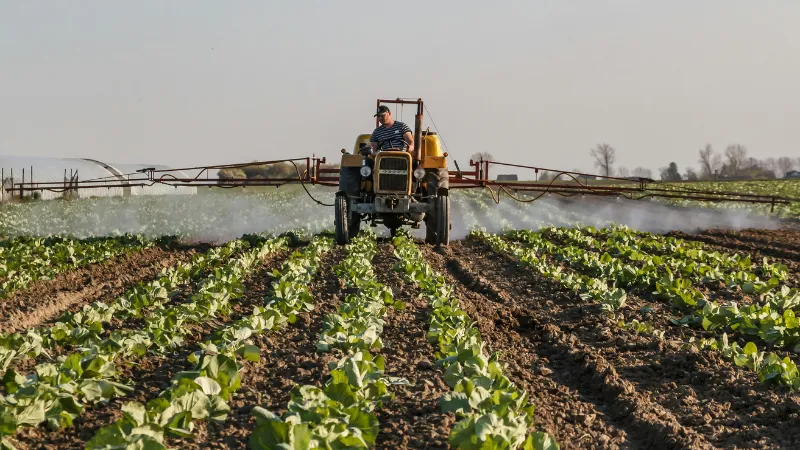
An agritech startup uses specialized hardware to enhance farm productivity and sustainability. When importing food products into the United States or the machinery used to create them, these startups must navigate complex federal requirements. This includes filing an ACE electronic manifest to provide advance notice of arrival and ensuring all equipment is free of organic contaminants. These regulations are vital for protecting the U.S. economy from foreign pests and diseases while allowing global innovation to flourish in the American market.
 Follow us
 Follow us
In the United States, agricultural technology startups are solving critical labor and climate challenges. In large-scale farming, drones help with precision spraying and crop health monitoring. In soil science, startups provide data-driven sensors that optimize water usage. These startups also assist in streamlining logistics for importing food products into the United States, ensuring that the supply chain remains resilient and compliant with strict federal standards.
Best Agritech Import Practices in Europe
Here is the list of the requirements to import agritech hardware in the USA.
Requirements to Import Agritech Hardware in the USA
RECOMMENDED FOR YOU


- CBP Port of Entry Declaration: This is the primary notification to CBP and agriculture specialists. It involves submitting specific data about the shipment’s value, origin, and manufacturer to the port where the goods will physically arrive.
- USDA APHIS "Core" Data: Under the APHIS Core regulation, both new and used farm machinery must provide data elements that help the USDA assess the risk of introducing pests. Even high-tech hardware is scrutinized if it is designed to touch soil or crops.
- Customs Bond (Activity Code 1): For commercial shipments valued over $2,500 or those regulated by other agencies, a bond is mandatory. For agritech shipments involving "Partner Government Agencies" (PGAs) like the USDA or EPA, the bond amount is often calculated at three times the entered value of the goods.
- EPA Compliance for Chemical Spreaders: If your agricultural technology involves hardware that sprays fertilizers or pesticides (like specialized drones), it must comply with Federal Insecticide, Fungicide, and Rodenticide Act (FIFRA) standards, requiring specific EPA import forms.
- FCC Equipment Authorization: Most smart sensors and autonomous robots use radio frequencies. These must be certified by the FCC to ensure they do not interfere with U.S. communications infrastructure.
- Cleanliness Declaration and Inspection: For used equipment, a statement must be included indicating the machinery is steam-cleaned, dry, and free of all soil and animal material. CBP agriculture inspectors have the authority to reject any equipment showing even minor organic residue.
- Harmonized Tariff Schedule (HTS) Classification: Hardware must be correctly classified (e.g., HTS 8806 for drones). Misclassification can lead to significant delays, audits, and incorrect duty payments.
Do I need a phytosanitary certificate to import to the USA?
A common question for agritech startups is whether their hardware needs a phytosanitary certificate. Generally, this certificate is required for "regulated articles" such as plants, seeds, and soil. However, it is also highly relevant for used agricultural technology. If you are shipping a drone or a sensor that has been tested in a European field, it may contain traces of foreign soil or organic debris.
In such cases, the CBP and agriculture inspectors may demand a phytosanitary certificate to prove the equipment was professionally cleaned and inspected. Without this, your shipment could be refused entry or require expensive sterilization at the port. For new hardware, a "Cleanliness Declaration" is often sufficient, but you must ensure the manifest clearly states the equipment is new and unused.
Importing Drones and High-Tech Sensors
When importing food products into the United States or the technology that manages them, drones face unique scrutiny. Beyond the standard CBP agriculture checks, drones must comply with the National Security "Covered List" regarding their country of manufacture. Startups must verify that their UAS (Uncrewed Aircraft Systems) do not contain banned components that could lead to seizure at the border.
The ACE electronic manifest is the "single window" where all these data points meet. By filing through this system, your startup ensures that both the FAA (for flight safety) and the USDA (for agricultural safety) have the information they need to clear your tech for use on American soil.
Conclusion
The expansion of European agritech into the U.S. market represents a major opportunity for global agricultural technology growth. However, success depends on mastering the logistical intersection of CBP and agriculture regulations. By staying compliant with USDA APHIS Core requirements, ensuring precise HTS classification for drones, and maintaining clean hardware to avoid the need for a phytosanitary certificate, startups can ensure their innovations reach American soil without costly delays.
Recommended Stories for You

Team SR Feb 21, 2026

Team SR Feb 7, 2026

Team SR Nov 21, 2025

Team SR Oct 16, 2025

Team SR Jan 2, 2026

Trending Stories

Why Hands-On Project Oversight Still Matters in Home Remodeling

The Quiet Wins: Why the Best Work in Real Estate Often Goes Unnoticed

Top Tips for Building Up Your Welding Business

Connecting Your Monitor with Reliable Video Quality

How Structured Data and Local Signals Work Together to Boost Visibility

Why a Security-First Culture Matters in Early-Stage Companies

What Is an Online Business Networking Platform and How Does It Work?

How In-App Communities Turn Engagement into Revenue