

Industrial Metals Watch: What Zinc Can Signal About Manufacturing Demand
Mar 4, 2026 | By Team SR
 Follow us
 Follow us
RECOMMENDED FOR YOU

The Gaming Industry in Europe: Market Insights, Challenges, and Opportunities
Team SR
Dec 16, 2025


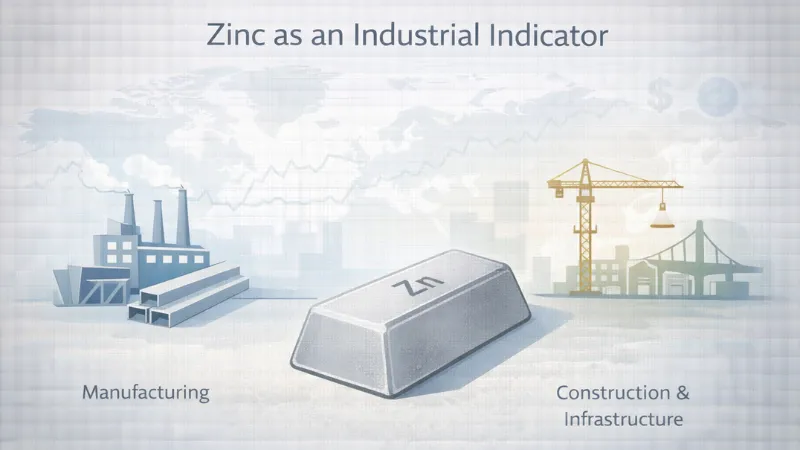
Zinc often flies under the radar compared to copper or gold, but it plays a vital role in tracking real economic activity. The live zinc price reflects demand from galvanizing steel, die-casting, batteries, and construction materials. In current market conditions, where industrial production and infrastructure spending drive global growth, zinc's price movements provide early clues about manufacturing health. Unlike precious metals that react to fear, zinc moves with physical demand from factories and building sites. This makes it a useful indicator for traders watching economic cycles. This article explains what zinc price changes reveal about manufacturing demand and how to use this knowledge in trading.
Zinc's Main Uses and Demand Drivers
Zinc is primarily used for galvanizing steel to prevent rust, accounting for about 60% of global demand. This ties it directly to construction, automotive, and infrastructure projects. When building activity rises, steel needs more zinc coating, pushing prices higher.
Other uses include die-casting for car parts, zinc oxide in rubber and batteries, and alloys in various industries. Emerging demand comes from renewable energy, where zinc is used in wind turbine components and energy storage systems.
Industrial production data from major economies, especially China and the US, is the biggest demand driver. Strong manufacturing PMI readings or infrastructure announcements usually support higher zinc prices.
Supply Side: Mining and Smelting Dynamics
Zinc mining is concentrated in a few countries, with China, Australia, and Peru leading output. Disruptions in these regions, such as strikes, weather, or environmental restrictions, can tighten supply and cause price spikes.
Smelting capacity is another factor. China dominates refining, and energy costs or policy changes there affect global supply. High electricity prices can lead to smelter cutbacks, reducing output and supporting prices.
Traders monitor mine production reports and smelter activity news. Supply shocks often lead to short-term rallies of 5-15%, creating breakout opportunities.
Macroeconomic Signals from Zinc Prices
Zinc prices tend to rise during economic expansions when manufacturing and construction accelerate. Strong global PMI data or infrastructure spending plans boost demand, pushing the price higher.
Dollar strength works against zinc. Since it is priced in USD, a stronger dollar makes it more expensive for non-US buyers, reducing demand and pressuring prices lower.
Inflation can support zinc as an industrial commodity hedge. Higher input costs for producers often lead to higher finished goods prices, supporting zinc demand.
The table below summarizes key drivers and their typical impact on zinc prices:
| Driver | Price Impact | Typical Move | Timeframe |
| Strong Manufacturing PMI | Upward | 5-15% | Weeks to months |
| Supply Disruptions | Upward | 5-20% | Weeks |
| Dollar Strength | Downward | 5-10% | Varies with DXY |
| Infrastructure Spending | Upward | 10-20% | Months |
Trading Zinc in Practice
Traders use zinc's sensitivity to industrial cycles for directional plays. Buy on strong PMI data or supply news, targeting 5-10% moves with stops below support.
Hedging is common. Steel producers hedge with zinc futures or CFDs to lock in costs. Consumers hedge against spikes.
Volatility creates opportunities. Zinc often leads copper in recovery phases, offering early signals for broader industrial metals.
Risk management is essential. Use 5x-10x leverage, risk 1-2% per trade, and monitor macro data releases.
Conclusion
Zinc prices are driven by manufacturing demand, supply disruptions, dollar strength, and infrastructure spending, making it a reliable indicator of industrial health. Rising prices signal growth and construction activity, while drops warn of slowdowns. Traders use these signals for directional trades, hedging, and early cycle detection. Monitor PMI data, supply news, and currency moves. In interconnected economies, zinc isn't just another metal, it's a window into real economic activity and a useful tool for navigating market cycles.
Recommended Stories for You

Team SR Jan 13, 2026

Team SR Oct 21, 2025

Team SR Jan 27, 2026

Team SR Feb 20, 2026

Team SR Feb 7, 2026

Team SR Nov 5, 2025
Trending Stories

The Quiet Wins: Why the Best Work in Real Estate Often Goes Unnoticed
Top Tips for Building Up Your Welding Business

How In-App Communities Turn Engagement into Revenue

How Structured Data and Local Signals Work Together to Boost Visibility

Connecting Your Monitor with Reliable Video Quality

Designing Work Around Life: Rethinking Flexibility in Global Teams

Why a Security-First Culture Matters in Early-Stage Companies

What Is an Online Business Networking Platform and How Does It Work?