

How UK Retail Startups Are Using Automation to Compete With Established Chains
May 15, 2026 | By Team SR

 Follow us
 Follow us
Independent and emerging retailers across the UK are closing the gap with major chains — not through larger budgets, but through smarter technology. Automation tools that were once reserved for enterprise players are now accessible, affordable, and reshaping what a lean retail team can achieve.
Modern retail environments increasingly rely on digital-first tools — even for independent and startup operators.
The Playing Field Is Shifting
Running a retail startup in the UK has never been easy. Established chains benefit from decades of supplier relationships, bulk purchasing power, sophisticated logistics networks, and large teams managing operations around the clock. For a smaller business, matching that capability on a fraction of the budget felt impossible — until recently.
Over the past three years, a new generation of retail startup technology has entered the market. These tools are cloud-based, modular, and priced to suit growing businesses rather than enterprise procurement cycles. Startups are now using the same category of software as Tesco and Next — just accessed differently and deployed faster.
The shift is structural, not cosmetic. When a two-person operation can automate stock alerts, pricing updates, customer communications, and demand forecasting, the headcount advantage of a larger rival becomes far less significant.
Key Areas Where Automation Is Making the Biggest Difference
1. Inventory Management
Perhaps the most impactful application of retail automation software for UK startups is in inventory control. Overstocking ties up capital; understocking loses sales. Getting that balance right manually — across multiple SKUs, locations, or sales channels — is exhausting and error-prone.
Modern inventory optimization software solves this by continuously monitoring stock levels and triggering reorders based on real sales data, seasonality, and lead times. Rather than a weekly manual count, the system works in the background 24 hours a day.
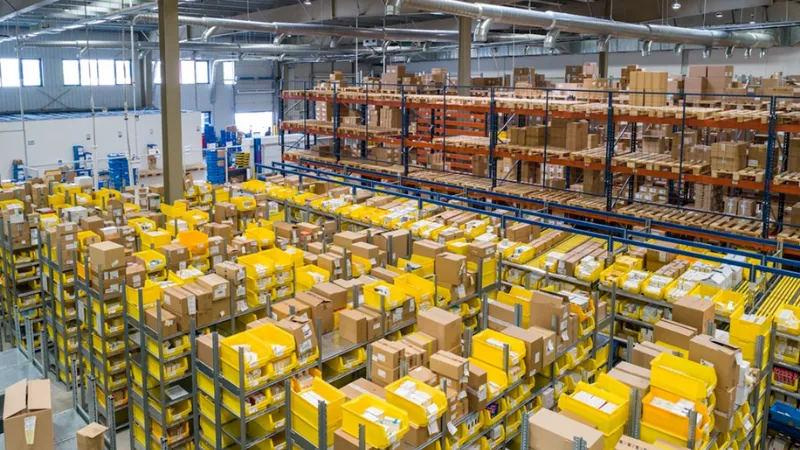
Cloud-based inventory dashboards give small retail teams visibility that was previously only available to large chains.
Startups implementing retail inventory optimization software consistently report two outcomes: a reduction in dead stock and fewer instances of items going out of stock at critical selling periods. Both translate directly to improved margins and customer retention.
2. Stock Replenishment Automation
Stock replenishment automation sits within the broader inventory toolkit but deserves attention on its own. Traditional replenishment relied on a staff member reviewing shelves or spreadsheets and placing orders manually. That process introduces delay, human error, and inconsistency.
Automated replenishment systems integrate directly with point-of-sale data and supplier catalogues. When a threshold is reached, a purchase order is generated and sent — no human intervention required. For startups operating with small teams, this reclaims dozens of hours per month that would otherwise be spent on routine administration.
Practical Example
A Birmingham-based health and beauty startup reduced its stock-out incidents by 60% in the first quarter after deploying automated replenishment. Their team of four could now focus on customer experience rather than manual stock checks.
3. Dynamic Pricing and Promotions
Larger chains use algorithms to adjust pricing based on competitor activity, demand spikes, and expiry windows. That capability is now available to startups through UK retail software platforms that connect to live market data. A small grocery or fashion startup can automate markdown timing on perishables or end-of-season stock without manually updating every product record.
4. Customer Communications and CRM
Email flows, loyalty reminders, abandoned basket prompts, and post-purchase sequences — all of these can be automated using tools that integrate with e-commerce platforms like Shopify, WooCommerce, or bespoke systems. Established chains invest millions in CRM infrastructure; startups can access equivalent functionality for a monthly subscription cost.
Comparing Automation Tools: What to Look For
Not all platforms are equal. The table below summarises the key categories of retail automation software available to UK startups, with a practical assessment of what each area offers and the level of investment typically required.
| Automation Category | What It Does | Key Benefit for Startups | Investment Level |
| Inventory Optimisation | Tracks stock in real time, prevents over/understocking | Preserves working capital, reduces waste | Medium |
| Stock Replenishment | Auto-triggers purchase orders at defined thresholds | Eliminates manual ordering, reduces stock-outs | Low–Medium |
| Dynamic Pricing | Adjusts prices based on demand, competition, and margin rules | Maximises revenue without manual intervention | Medium |
| CRM & Email Automation | Segments customers and sends targeted, triggered messages | Drives repeat purchases and loyalty at scale | Low |
| Demand Forecasting | Predicts future sales using historical data and trends | Improves buying decisions and reduces risk | High |
| Checkout & POS Automation | Self-checkout, scan-and-go, and frictionless payment flows | Reduces queue times and labour costs | Medium–High |
RECOMMENDED FOR YOU



Dubai PropTech Startup Knocknock Debuts Mobile App with Global Growth Strategy
Team SR
Apr 25, 2025
Common Mistakes UK Retail Startups Make When Adopting Automation
Automation delivers results — but only when implemented thoughtfully. Several patterns emerge repeatedly among startups that struggle with the transition.
- Automating broken processes. Software amplifies what already exists. If your stock data is inaccurate or your supplier lead times are unreliable, automation will make those problems faster, not fix them. Clean your data first.
- Choosing tools that don't integrate. A replenishment platform that can't talk to your POS system creates data silos. Always evaluate integration capabilities before committing.
- Over-automating too early. Start with one high-impact area — typically inventory or replenishment — and expand once you understand the system's outputs and limitations.
- Ignoring staff training. Automation changes how your team works, not whether they're needed. Investment in training ensures adoption and helps staff focus on higher-value tasks.
- Setting and forgetting. Automated systems still require oversight. Pricing rules, reorder thresholds, and customer segments need to be reviewed and adjusted as your business evolves.
"The retailers who win are not those with the most automation — they're those who've thought carefully about which decisions should be automated and which should remain human."
How to Evaluate and Choose the Right UK Retail Software
The UK software market for retail is increasingly competitive, which is good news for startups. When evaluating platforms, a structured approach saves considerable time and reduces the risk of a costly wrong choice.
Follow these steps when assessing any retail automation platform:
- Define the problem first. Identify the specific operational bottleneck you are trying to solve. Inventory inaccuracy, manual reordering, slow customer communications — each points to a different tool category.
- Map your current tech stack. List every platform you already use (POS, e-commerce, accounting, logistics). Any new tool must integrate cleanly or the efficiency gains will be offset by manual workarounds.
- Request a sandbox trial. Most reputable platforms offer a trial period. Use real data wherever possible — synthetic data rarely exposes genuine usability issues.
- Evaluate UK-specific compliance. Ensure any data handling is GDPR-compliant and that the platform supports UK tax and VAT reporting requirements.
- Check support quality. Response time and knowledge depth from a vendor's support team often matters more than feature lists, particularly during the early months of implementation.
- Review scalability honestly. Choose a platform that can grow with you. Migrating systems as you scale is disruptive and expensive.
Final Thoughts
The automation gap between large retail chains and ambitious startups is narrowing faster than most people realise. UK retail startups that invest in the right technology stack — starting with inventory optimisation and stock replenishment — are building operational foundations that rival those of businesses ten times their size.
The advantage is not just in efficiency. It's in the ability to make better decisions, faster, with less friction. Automation doesn't replace the creativity, relationships, and instincts that make a retail startup distinctive. It removes the administrative weight that prevents those qualities from shining through.
For UK retailers willing to invest the time to implement these tools correctly, the competitive ceiling has never been higher — or more reachable.
Recommended Stories for You

Team SR Dec 1, 2025

Team SR Dec 12, 2025

Team SR Dec 23, 2025

Team SR Aug 13, 2025


Team SR Oct 30, 2025
Trending Stories

How to Cope with a Startup Closing: Ruslan Tymofieiev Breaks Down Main Points

Modern Slavery Policy vs Statement: Why You Need Both

The Future of PropTech: How AI Interior Design Startups Are Transforming Real Estate and Home Renovation Markets

Streamlining Payments: A Guide for Service-Based Businesses
The Connection Between Hosting and Brand Reputation

F-01 Fireguard Practice Test 2025: Complete Study Guide to Pass Your Fire Safety Exam with Confidence

Top Influencer Marketing Agencies in Europe for Startups in 2025

Top Digital Marketing Agencies According to Client Reviews