
How to Start Dropshipping: A Complete Step-by-Step Guide for Beginners
Nov 21, 2026 | By Oliver Bennett
 Follow us
 Follow us
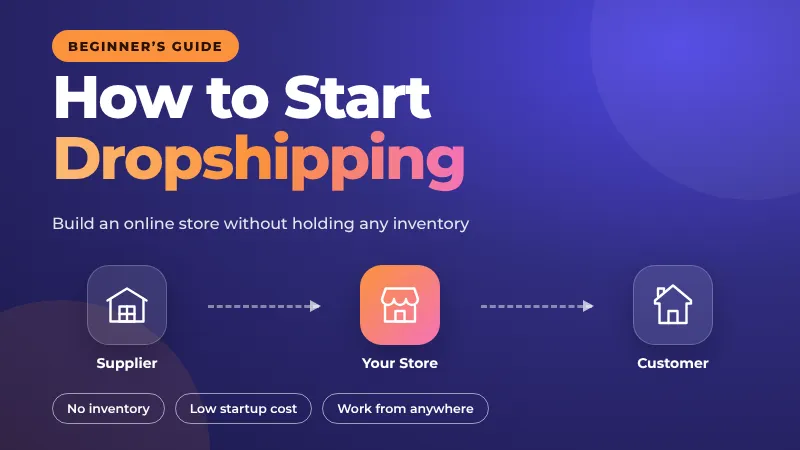
Starting a dropshipping business is a way to enter the eCommerce market without spending a lot of money on stock. Unlike a traditional retail business, you do not need to buy products in advance or store them yourself. When a customer places an order, you buy the product from a supplier, who then delivers it directly to the customer.
Dropshipping has become a popular choice for beginners who want to start an online business with a small budget. However, it is not completely free, and making a profit is not guaranteed. You need to find good suppliers, choose the right products, create an online store and bring customers to your website.
If you want to know how to start dropshipping in 2026, this guide covers the main steps, costs, platforms and marketing methods to help you get started.
What Is Dropshipping?
Dropshipping is an online business model where you sell products without keeping them in stock. Instead, you work with a supplier who stores the products, packs orders and delivers them directly to your customers.
For example, imagine you have an online store that sells fitness accessories. A customer buys a yoga mat from your website for $30. You purchase the same product from your supplier for $15. The supplier then sends the yoga mat directly to the customer.
In this example, you make $15 before paying for advertising, website costs, payment fees and other business expenses.
The biggest benefit of dropshipping is that you do not have to manage stock or handle deliveries yourself. However, you are still responsible for product quality, customer service, refunds and the overall shopping experience.
How to Start Dropshipping: 9 Steps for Beginners
Starting a dropshipping business requires some planning and research. Here are nine steps to help you launch your online store.
1. Choose a Profitable Dropshipping Niche
The first step is choosing a niche for your online store. A niche is a particular product category or market that you want to sell to.
Instead of selling different types of products without a clear focus, choose one category. This will help you understand your customers and promote your products more easily.
Some popular dropshipping niches include:
- Home and kitchen products
- Fitness and sports equipment
- Beauty and personal care products
- Pet supplies
- Travel accessories
- Phone and computer accessories
- Baby and lifestyle products
Before choosing a niche, check customer demand, competition and product prices. Look for products that solve common problems or offer something useful to buyers.
Also, make sure the products can give you enough profit after covering marketing and other business costs.
2. Research and Select Products to Sell
After choosing your niche, the next step is finding the right products for your store.
A good dropshipping product should have regular demand, affordable shipping costs and a reliable supplier. It should also give you enough room to make a profit after paying all expenses.
You can use tools such as Google Trends, Amazon Best Sellers and social media platforms to find out what people are searching for and buying.
While researching products, consider these points:
- Customer demand and market trends
- Competition from other online stores
- Product prices and shipping charges
- Product quality and customer reviews
- Possible profit margins
- Return and refund policies
Do not select a product just because it is popular on social media. Some products become popular for a short time but may not bring regular sales.
3. Find Reliable Dropshipping Suppliers
Choosing the right supplier is important for running a successful dropshipping business. Your supplier manages the products and shipping, so their service directly affects your customers.
You can find suppliers through platforms such as:
- AliExpress: Offers many products from different sellers.
- Alibaba: Helps businesses find manufacturers and wholesale suppliers.
- CJdropshipping: Offers product sourcing, order fulfilment and shipping services.
- Spocket: Connects online sellers with suppliers, including those based in the US and Europe.
- SaleHoo: Provides a list of wholesale and dropshipping suppliers.
Before working with a supplier, check product quality, delivery times, customer reviews and return policies. You should also order product samples to check the quality before selling them.
A good supplier can help you avoid late deliveries, damaged products and customer complaints.
4. Choose an eCommerce Platform
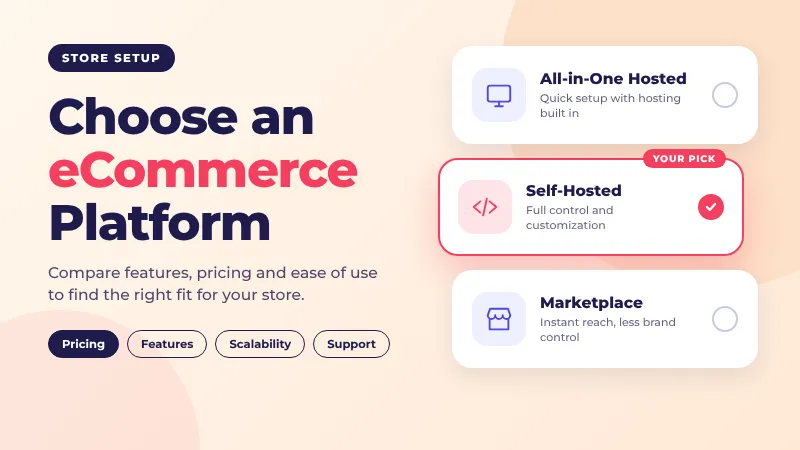
Once you have selected your products and suppliers, you need a website where customers can view and buy your products.
Several eCommerce platforms make it easier to create an online dropshipping store.
| Platform | Best for |
| Shopify | Beginners who want an easy-to-use store |
| WooCommerce | Businesses that want more control |
| BigCommerce | Growing online stores |
| Wix | Beginners who want a simple website |
Shopify is a popular choice because it makes it easy to build an online store. It also offers payment options and supports different dropshipping apps.
WooCommerce is another good option for people who use WordPress and want more control over their website.
Before choosing a platform, compare its monthly fees, transaction charges, features and available integrations.
5. Build Your Online Store
After choosing an eCommerce platform, start creating your online store.
Use a clean and simple design so visitors can easily find products and place orders.
Your website should have these important pages:
- Homepage: Introduces your store and shows popular products.
- Product Pages: Include product details, prices, images and features.
- About Us: Tells visitors about your business.
- Contact Us: Provides ways for customers to contact you.
- Shipping Policy: Explains delivery times and shipping charges.
- Return and Refund Policy: Explains how customers can return products and request refunds.
- Privacy Policy and Terms: Provides important information about customer data and website rules.
Make sure your website works well on mobile phones. Many customers use their smartphones to browse products and shop online.
6. Set Product Prices and Calculate Profit Margins
Setting the right price is an important part of running a dropshipping business. Your selling price should cover the product cost, shipping, advertising, payment fees and other expenses.
For example, consider the following pricing:
| Expense | Amount |
| Supplier product cost | $12 |
| Shipping cost | $3 |
| Selling price | $30 |
| Gross profit before other expenses | $15 |
RECOMMENDED FOR YOU

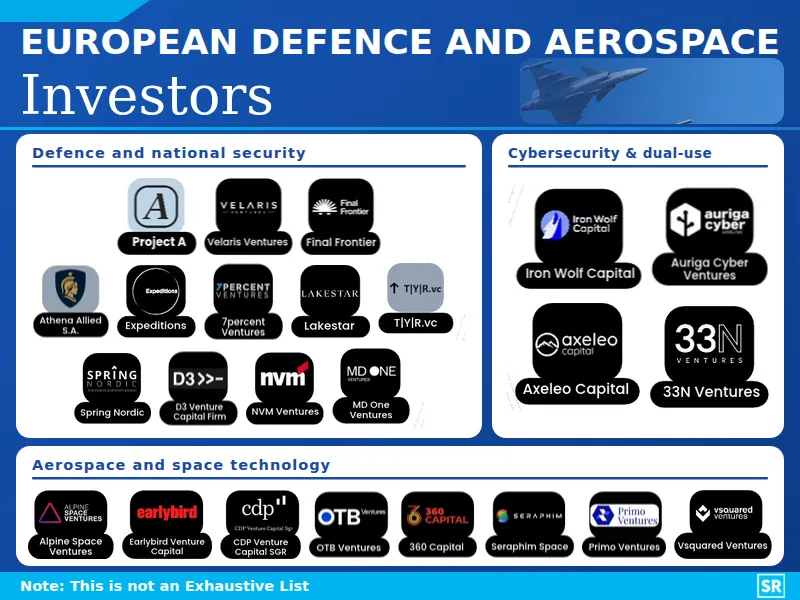
Top European Defence and Aerospace Investors in 2026: 24 Funds Supporting New Technology Startups
Oliver Bennett
Nov 2, 2026

However, the $15 is not your final profit. You still need to pay advertising costs, payment processing fees, platform charges and other expenses.
Check the prices of similar products in other online stores before deciding your selling price. Avoid selling products too cheaply just to attract customers, as this can reduce your profit.
7. Set Up Payment and Shipping Options
Your online store needs a secure payment system so customers can pay for their orders.
Depending on your country and target market, you can offer payment options such as credit cards, debit cards and digital wallets.
Some popular payment services include:
- PayPal: Allows customers to make payments online.
- Stripe: Supports card payments and other online payment methods.
- Razorpay: Offers payment services for businesses in India.
You should also clearly mention shipping charges and estimated delivery times on your website. Delivery times may change depending on where your supplier is located and which shipping service they use.
Always give customers clear information about when they can expect their orders.
8. Promote Your Dropshipping Store
Creating an online store does not automatically bring customers. You need to promote your products and make people aware of your business.
Here are some ways to market your dropshipping store.
Social Media Marketing: Use Instagram, Facebook, TikTok and Pinterest to share product photos, videos and customer reviews.
Search Engine Optimisation (SEO): Improve your website and product pages with relevant keywords. This can help your store appear in Google search results and bring visitors without paying for every click.
Paid Advertising: Use Google Ads and Meta Ads to show your products to potential customers. Start with a small budget and check which campaigns bring sales.
Email Marketing: Collect customer email addresses and send them product updates, special offers and discounts.
Influencer Marketing: Work with social media creators who have followers interested in your products. They can help introduce your store to new customers.
If you are a beginner, focus on one or two marketing methods first instead of spending money on every platform.
9. Manage Orders and Provide Customer Support
Once customers start placing orders, you need to manage the delivery process properly.
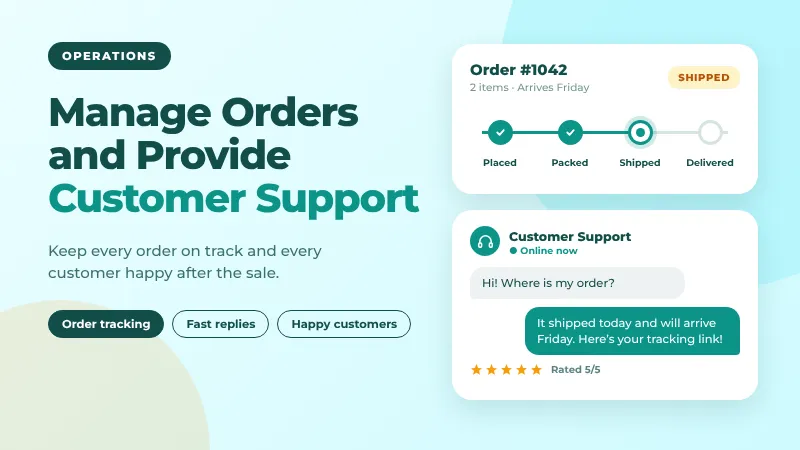
When a customer buys a product, you send the order details to your supplier. The supplier then packs and ships the product directly to the customer. You should also share the tracking details so customers can check their delivery status.
Your work does not end once the product is shipped. You must answer customer questions, handle delivery issues and manage refunds or complaints.
Good customer service helps build trust and encourages customers to shop from your store again. Stay in regular contact with your suppliers to check product availability and make sure orders are delivered on time.
How Much Does It Cost to Start Dropshipping?
The cost of starting a dropshipping business depends on your website platform, marketing budget, domain name and other expenses.
You do not need to buy products in advance, but you still need some money to set up your store and run the business.
Here is an estimated starting budget:
| Expense | Estimated cost |
| Domain name | $10–$20 per year |
| eCommerce platform | $20–$40 per month |
| Dropshipping apps | $0–$30 per month |
| Initial marketing | $100–$300 |
| Product samples | $30–$100 |
| Estimated initial budget | $160–$490+ |
These are estimated costs and may change depending on the services you choose and the country where you run your business.
You should also keep some extra money for refunds, payment fees and unexpected expenses.
Common Dropshipping Mistakes to Avoid
Many beginners face problems because they focus only on selling products and forget about other important parts of the business.
Here are some common mistakes you should avoid:
- Choosing poor-quality products: Check product samples and supplier reviews before selling anything.
- Working with unreliable suppliers: Late deliveries and poor communication can affect your business.
- Ignoring marketing costs: Advertising can reduce your profit if you do not manage your budget.
- Copying other stores: Write your own product descriptions and build a unique brand.
- Making false delivery promises: Always provide realistic shipping times.
- Ignoring customer service: Reply to customer questions and complaints quickly.
- Expecting quick profits: Dropshipping takes time, product testing and regular improvements.
Is Dropshipping Worth Starting?
Dropshipping can be a good option for people who want to start an online store without buying and storing large amounts of stock. It gives beginners the chance to test different products without managing their own warehouse.
However, the market is competitive, and profit margins can be low. Your success depends on choosing the right products, finding good suppliers, controlling expenses and keeping customers happy.
Before starting, research your target market and understand the tax, legal and consumer protection rules that apply in your country.
Final Thoughts
Starting a dropshipping business in 2026 does not require a warehouse or a large investment in stock. However, you need proper research, reliable suppliers, a good online store and a clear marketing plan.
Start with one niche, test a few products and focus on keeping your customers happy. As you learn what sells well and understand your market, you can add more products and grow your online business.
FAQs
1. How much money do you need to start dropshipping?
You can start a small dropshipping business with around $160 to $500, depending on your website, product samples and marketing costs. You may need more money as your business grows.
2. Is dropshipping profitable for beginners?
Yes, dropshipping can make money, but success is not guaranteed. Your profit depends on product selection, supplier costs, marketing expenses and customer demand.
3. Can I start dropshipping with no money?
Starting completely free is difficult. Some platforms offer free trials, and suppliers do not require you to buy stock in advance. However, you still need money for website costs, marketing and product testing.
4. Do I need a website to start dropshipping?
A website is not always necessary because some sellers use online marketplaces and social media platforms. However, having your own website gives you more control over your brand, customers and sales.
5. Which platform is best for dropshipping?
Shopify is a popular choice for beginners because it makes setting up an online store easier and supports dropshipping apps. WooCommerce is another option for people who want more control and customisation.
6. Can I start dropshipping from India?
Yes. People in India can start dropshipping by building an online store and working with Indian or international suppliers. They can sell products to customers in India or other countries. They should also understand the GST, import, export and consumer protection rules that apply to their business.
Recommended Stories for You

Oliver Bennett Sep 12, 2026

Oliver Bennett Jan 3, 2025
Team SR Jan 8, 2025
Oliver Bennett Sep 14, 2026

Oliver Bennett Nov 6, 2023

Oliver Bennett Jan 4, 2025
Trending Stories

Grants From The Government To Start A Business

Leading AI Startup in Europe

Unique Business Ideas in Luxembourg

Best Startup Industries In 2024 – 2025

Unique Business Ideas In Amsterdam For 2024
Best AI Content Detector Tools

Best Small Scale Business Ideas in France 2024

Series A Funding NEWS Europe – July 2024