

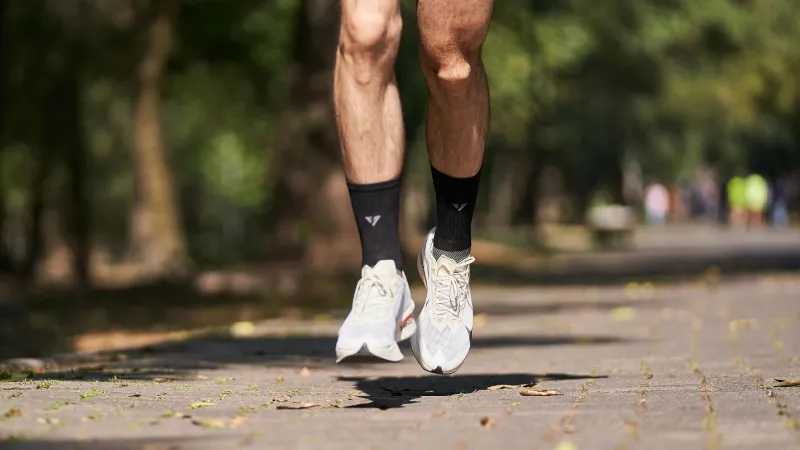
Swollen feet have a way of turning normal life into a negotiation.
 Follow us
 Follow us
In the morning, your shoes feel fine. By late afternoon, the same pair feels tight across the forefoot, your toes feel crowded, and the top of your foot starts to throb a little. If you walk a lot, commute, stand for work, or travel often, the pattern becomes predictable. You start planning your day around how long you can tolerate your footwear.
Here’s the part most men miss for years: this is rarely a “break them in” situation. Swelling changes foot volume. Shoes that don’t adapt create pressure and friction. Pressure and friction, repeated daily, become blisters, calluses, and pain. Sometimes they also push you into a bigger shoe length that causes heel slip, which is a new problem disguised as a solution.
The good news is that choosing the right wide fit shoes can make swollen feet much easier to live with. Not magically cured, but manageable. Comfortable enough to walk, work, and get on with things.
RECOMMENDED FOR YOU



What Corporate Lawyers Look for When Evaluating Risk in Business Decisions
Team SR
Mar 13, 2026
This guide focuses on how to choose the right pair, what features actually matter, and what red flags to take seriously.
First: when swelling is “shoe-fixable” and when it is not
Swelling is common, but it is not always harmless. NHS guidance on oedema notes that you should seek medical advice if swelling doesn’t improve after a few days of home measures or if it gets worse, and it also advises avoiding socks or shoes that are too tight.
Mayo Clinic lists warning signs that need urgent assessment, such as swelling with shortness of breath or chest pain.
So, as a simple rule:
- If your feet swell in a familiar, end-of-day pattern and settle overnight, footwear changes often help.
- If swelling is sudden, one-sided, painful, hot, red, or comes with breathing issues or chest pain, treat it as a medical issue first.
Now, assuming you’re in the “common swelling” bucket, let’s talk shoes.
Why swollen feet and standard shoes don’t get along
Feet often swell as the day goes on. Standing, heat, long walks, travel, salty food, and certain medications can all contribute. Swelling also makes your foot slightly wider and higher, not just “bigger.”
A standard-width shoe has two predictable responses to this:
- It squeezes the sides of the forefoot and toes.
- It pushes pressure up into the top of the shoe, especially if you have a higher instep.
NHS footwear leaflets and guidance aimed at foot pain and diabetes repeatedly come back to the same basic logic: narrow or pointed shoes compress the forefoot, while wide-fitting shoes provide more space across the ball of the foot, especially when combined with a rounder toe shape.
That space is not about “comfort preferences.” It is about stopping repetitive compression.
What “wide fit” should mean, in practical terms
Ignore the marketing for a second. A wide fit shoe should deliver three things:
1) Extra room where swelling happens
Most swelling discomfort shows up in the forefoot and around the toes. So the shoe needs a wider toe box and broader forefoot platform.
2) Enough depth for volume changes
Swelling often increases foot volume upward, too. Depth matters because even a wide shoe can still rub if the toe box is shallow. FootCareMD points out that depth and toe box space help prevent rubbing, calluses, and sores.
3) Security in the heel and midfoot
Roomy does not mean sloppy. AAOS explains that a stiff heel counter helps hold the heel in place and improves control and stability.
A good, wide fit shoe feels calm. Your forefoot breathes, but your heel isn’t sliding around.
The biggest mistake men make: sizing up in length to solve width
It’s tempting. The shoe feels tight, so you buy the next size up.
But if the length becomes too long, your foot can slide forward and rub, which increases blister risk. AAOS guidance on shoe fit warns about instability and issues when shoes don’t hold the foot properly.
If your toe room is already decent, solve the width problem with width, not length.
A simple buying approach that works in the real world
Here’s a method you can actually use, even if you hate shopping.
Step 1: Shop later in the day
If your feet swell, the best time to fit shoes is when they’re at their largest. An NHS Borders footwear guide explicitly recommends shopping later in the day if your feet tend to swell, because they’ll be bigger then.
Step 2: Fit the larger foot
Most people have one foot slightly larger. Buy for that one.
Step 3: Wear the socks you actually wear
This sounds obvious, but it changes fit a lot, especially if you switch between thin office socks and thicker cushioned socks.
If you have diabetes or reduced sensation, NIDDK specifically recommends clean, lightly padded socks that fit well, and notes that socks with no seams are best, along with shoes that fit well and protect your feet.
Step 4: Walk-test, do not mirror-test
Stand, then walk briskly. Turn. Take a few fast steps. If you feel a hotspot forming in 60 seconds, it will become a problem later.
What to look for when you have swollen feet
This is where most “wide shoe” advice gets vague. Let’s keep it specific.
Look for a toe shape that doesn’t squeeze
A rounded or squared toe front is often more forgiving than a pointy shape. Guy’s and St Thomas NHS guidance notes that wide-fitting shoes provide space across the ball of the foot, but also emphasises the front shape should be round or square so it doesn’t squeeze toes.
Prioritise adjustable closures
Swelling changes throughout the day. Adjustable closures let you loosen the shoe slightly in the afternoon without losing security at the heel.
If you’re choosing between two similar shoes, pick the one you can adjust.
Choose a forgiving upper, not a rigid one
Materials matter. A soft mesh or flexible upper accommodates swelling better than stiff leather that presses into the foot.
This is also where “comfort slip-ons” can fail. If the upper has no give and the shoe has no adjustment, swelling turns into pressure.
Check the heel counter and rear stability
If the shoe is wide but the heel is sloppy, you’ll get friction and feel unstable. AAOS points out the heel counter’s role in controlling the heel and adding stability.
Make sure there’s enough depth
Depth is not just for orthotics. It helps swollen feet because it reduces pressure on the top of the toes and forefoot. FootCareMD’s fit guidance calls out the importance of depth and space to avoid toe rubbing and related skin problems.
Outsole grip matters more than you think
If your foot feels “full” from swelling, you can be slightly less stable. Good traction reduces the chance you compensate with a weird stride.
The fit checks that save you from regret
Use these in the shop or at home when trying them on.
- Toe freedom: You should be able to wiggle toes without pressure from the sides.
- Forefoot comfort: no pinching at the widest part of your foot.
- Top-of-foot comfort: no tight band feeling across the instep.
- Heel hold: minimal heel lift when walking briskly.
- No hotspot: if one area feels “warm” or rubbed quickly, that’s a warning.
If you want a quick, practical browse of options designed with extra room and day-to-day comfort in mind, you can start here: mens wide fit shoes for swollen feet.
Yes, it’s just a collection link, but it helps to compare shapes, toe box styles, and closure systems in one place without bouncing across ten brands.
If you have diabetes or sensitive feet, shoe fit becomes safety, not just comfort
Swelling plus diabetes is a combination that deserves more caution.
NIDDK’s diabetes foot care guidance stresses wearing shoes that fit well and protect your feet, along with socks that reduce blister risk.
Cleveland Clinic also advises wearing socks and shoes that fit properly and checking inside shoes for objects that could injure the foot.
If you have neuropathy, you may not feel rubbing until damage has started. In that situation:
- Avoid tight shoes, full stop.
- Check your feet daily.
- If you repeatedly get pressure marks or skin changes, consider podiatry guidance.
How to make wide shoes work better with swelling
A good shoe helps, but a few small habits make it work even better.
Rotate pairs
Wearing the same shoe daily keeps the midsole compressed. Rotation gives the cushioning time to rebound, which often makes shoes feel more supportive over time.
Keep a “later in the day” adjustment plan
If your shoes have adjustable closures, loosen them slightly in the late afternoon before discomfort starts. Don’t wait until it becomes painful.
Don’t ignore sudden changes
If swelling patterns change quickly, get it checked. Mayo Clinic notes oedema can have multiple causes and lists warning signs for urgent care.
FAQ
What counts as “wide fit” in men’s shoes?
It varies by brand. The label matters less than how the toe box, forefoot width, and depth feel when walking. Wide fit should mean more space across the ball of the foot and a toe shape that doesn’t squeeze toes.
Should I buy shoes a size bigger if my feet swell?
Not automatically. If the length is already fine, sizing up can cause sliding and friction. Try a wider fit and more depth first, then reassess.
When should I try on shoes if I have swelling?
Later in the day is often best. NHS Borders guidance recommends shopping later if your feet swell because they’ll be larger then.
Are slip-ons okay for swollen feet?
Sometimes, but they can be tricky. If the shoe isn’t adjustable and the heel doesn’t hold securely, swelling can make the fit inconsistent. Look for a secure heel structure and some adjustability.
What features matter most for swollen feet?
A roomy toe box, enough depth, adjustable closure, forgiving upper, and a stable heel counter.
If my swelling is only in one foot, is that normal?
It can happen, but one-sided swelling that is new, painful, or unexplained should be checked. Mayo Clinic lists red-flag situations for urgent care, especially if swelling is unexplained or accompanied by breathing difficulty or chest pain.
Do socks make a difference?
Yes. Well-fitting socks can reduce friction. For people with diabetes, NIDDK recommends lightly padded socks that fit well and notes socks with no seams are best.
Can wide fit shoes help prevent blisters?
They can reduce the main cause of many walking blisters: friction from tight areas and pressure points. Fit and stability still matter, so wide should not mean loose.
What’s the fastest way to tell a shoe won’t work?
A hotspot you feel immediately. If you notice rubbing in the first few minutes, it usually gets worse over longer walks.
Conclusion
Swollen feet don’t mean you have to live in uncomfortable footwear or give up walking. They do mean you need shoes that respect reality: your feet change through the day.
Choose width and depth first, keep the heel secure, and try on shoes when your feet are at their biggest.
You should feel like your shoe is giving your foot room to exist, not forcing it into a shape it never agreed to.
Recommended Stories for You

Team SR Jan 10, 2025

Team SR Jan 30, 2026

Team SR Jan 28, 2026

Team SR Feb 7, 2026

Team SR Nov 26, 2025

Team SR Oct 10, 2025
Trending Stories
Understanding biometric security and Nedap Security Management

Career Change After 40: Proven Strategies for Professionals Seeking Meaningful Work

From Agency to Independent Studio: Building a Creative Practice With Intention

From Classroom to C-Suite: How Student Entrepreneurs Can Turn Academic Projects into Startup Success Stories

CoinKnow Review 2026: Is This the Best Coin Identifier App for US Coin Beginners?

Mistakes to Avoid When You Rent a Convertible Car in Dubai for a Short Trip

Finsea24 Review: Tips to Navigate Through Forex Market Volatility [finsea24.com]

Best Instagram Video Downloaders in 2026