

How to Check a Neighborhood’s Infrastructure Before You Buy or Rent
Oct 6, 2026 | By Sophie Carter

Why the House Is Only Half the Story
Most people touring a home look at square footage, closet space, and the kitchen. Few spend ten minutes checking the roads, pipes, and power lines that make the house livable. That is a mistake. A beautiful house on a weak grid or a flood-prone block will cost you time and money long after the inspection is over.
 Follow us
 Follow us
This guide is for anyone about to sign a lease or make an offer. It walks through what to check before you commit, and where to find the answers.
Start With the Utilities You Cannot See
Before you ask about granite countertops, ask about the service lines. Find out if the property runs on a shared water main or its own well. Ask whether the sewer system is public or a septic tank, and when it was last inspected.
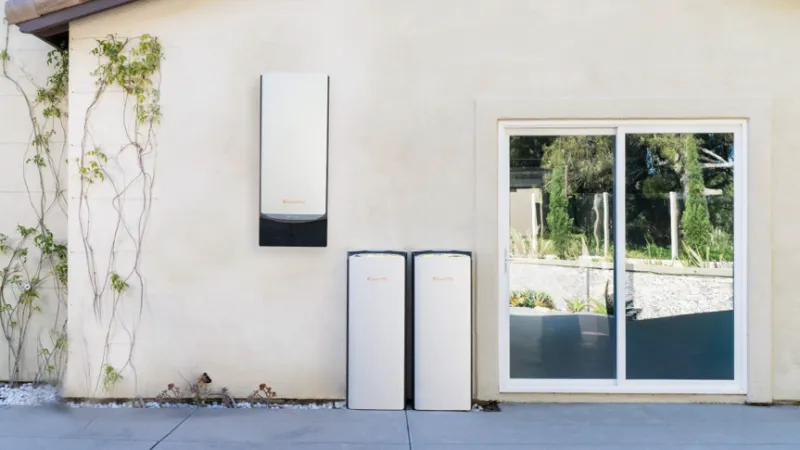
Power is worth a closer look too. In older neighborhoods, the electrical grid may not have been upgraded to handle central air, electric vehicle chargers, or several smart devices running at once. A quick call to the local utility company can tell you if the area has had outages or capacity issues in the past few years. This matters more in growing suburbs, where new construction sometimes outpaces the grid built to support it.
RECOMMENDED FOR YOU



Developers who work across different countries pay close attention to this exact problem at a much larger scale. Ron Yeffet, a real estate developer who has managed projects in the United States, Israel, and parts of Africa, has pointed to energy capacity as one of the first things any serious building plan has to account for. The same logic applies to a single home. If the supply cannot keep up with demand, everything built on top of it is less stable than it looks.
Check the Roads You Will Actually Use
Drive the route you would take to work, not just the route to the house. Do it during rush hour, not on a quiet Sunday afternoon. A ten-minute commute on the listing sheet can turn into forty minutes once you account for the one bridge everyone uses or the school zone that backs up every morning.
Also look at road maintenance. Potholes, poor drainage at intersections, and faded lane markings are signs of a municipal budget stretched thin. That tells you something about how quickly other repairs, like a downed tree limb or a broken streetlight, will get handled once you live there.
Look Into Water and Drainage Before You Fall in Love With a Yard
Flooding problems rarely show up on a sunny day. Ask the seller or landlord directly whether the property has flooded, and ask neighbors too. Check if the home sits in a flood zone using your local floodplain map, which is usually free and public.
Pay attention to how water moves across the yard during heavy rain. Standing water near the foundation, a sloped driveway that channels runoff toward the garage, or a nearby creek that rises quickly are all worth noting before you sign anything.
Ask About Planned Development Nearby
A quiet street today can become a construction zone next year. Most cities keep public records of approved zoning changes and permits. A short visit to the local planning department, or a search on the city's website, will show you what is coming: a new apartment complex, a widened road, or a rezoned lot next door.
This step gets skipped often because it takes a bit of effort. But it is the difference between knowing what you are buying into and being surprised by a crane outside your window six months later.
A Quick Walkthrough You Can Do in an Afternoon
You do not need an engineering degree to do this well. Here is a short list to work through before you make an offer:
- Call the utility company and ask about outage history
- Check if water and sewer are public or private
- Drive the commute at peak traffic hours
- Look up the flood zone map
- Visit or search the planning department for nearby permits
- Talk to at least two current neighbors
None of these steps take more than a phone call or a short visit. Together, they tell you far more about daily life in a neighborhood than a single open house ever will.
Recommended Stories for You

Team SR Feb 20, 2026

Team SR Aug 25, 2026

Team SR Aug 21, 2026

Team SR Aug 22, 2025

Team SR Jan 14, 2026

Trending Stories

Credit Math For An AI Map Generator On Seed Budget

5 technical choices that make the difference between growth and stagnation

Is Gamification as a Service the Next Major Battleground for Startups?

Top 10 Backlink Agencies Businesses Trust for Real Authority

Are Working Students the Quietest Demographic Relying on the Essay Writing Service EssayService.com?

Why UK Startups Need Better Access to Legal Documents as They Scale

How Local Taxi Services Help Keep Highland Tourism Moving
What to Know Before Adding Battery Storage to Your Home