

How Metal Lathes Can Improve Efficiency in a Manufacturing Business
Aug 21, 2026 | By Team SR
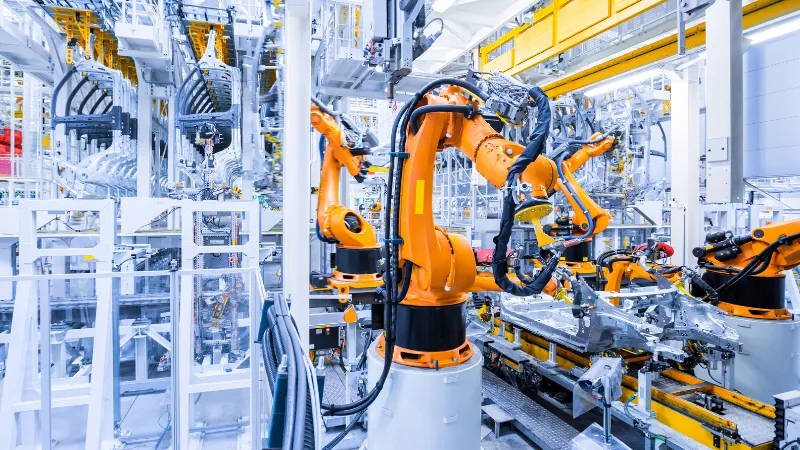
Metal lathes remain one of the most fundamental tools in manufacturing operations, capable of transforming raw materials into precision components that power countless industries. Whether you're running a small machine shop or managing a large-scale production facility, understanding how to leverage metal lathes effectively can dramatically impact your bottom line. Here are the specific ways these machines enhance your operational efficiency.
 Follow us
 Follow us
Reducing Production Time Through Precision Machining
Metal lathes excel at removing material quickly while maintaining tight tolerances. When properly configured, a lathe can complete complex cylindrical parts in a fraction of the time required by manual methods or less specialized equipment.
Modern CNC (Computer Numerical Control) lathes can reduce cycle times by 40-60% compared to manual operations by automating repetitive tasks. Once programmed, these machines can produce identical parts continuously with minimal operator intervention. This automation allows skilled machinists to focus on setup, quality control, and other value-added activities rather than standing at a machine for hours.
The speed advantage becomes particularly evident in medium to high-volume production runs. A well-maintained lathe with the right tooling can process dozens or even hundreds of parts per shift, depending on complexity and size.
RECOMMENDED FOR YOU



Minimizing Material Waste and Costs
Efficient material usage directly impacts profitability, and metal lathes offer exceptional control over material removal. Skilled operators can program cutting paths that maximize the usable product from each piece of stock material.
Unlike some fabrication methods that require extensive material removal or generate unusable scrap, turning operations on a lathe remove material in a controlled manner. The chips produced can often be recycled, providing an additional revenue stream or at least reducing disposal costs.
Precision machining also means fewer rejected parts due to dimensional errors. When you can consistently hit specifications on the first attempt, you avoid the costs associated with rework or scrapping defective components. This reliability becomes increasingly valuable when working with expensive materials like titanium, stainless steel alloys, or exotic metals.
Expanding Your Capability Range
Investing in quality metal lathes expands the types of jobs your business can accept. From simple shafts and bushings to complex threaded components and tapered parts, lathes handle a remarkable variety of geometries.
Many modern lathes come equipped with live tooling capabilities, allowing for milling, drilling, and cross-hole operations without removing the workpiece from the machine. This multi-tasking ability reduces setup times and improves accuracy by keeping parts in a single work-holding setup throughout the entire machining process.
The versatility of metal lathes means you can take on diverse projects without investing in multiple specialized machines. Small job shops particularly benefit from this flexibility, as it allows them to serve a broader customer base with a relatively modest equipment footprint.
Improving Product Quality and Consistency
Consistency in manufacturing directly correlates with customer satisfaction and repeat business. Metal lathes produce parts with repeatable accuracy that manual methods simply cannot match.
The rigid construction of industrial lathes minimizes vibration and deflection during cutting operations. This stability translates to better surface finishes and tighter tolerances. When you can guarantee dimensional accuracy within thousandths of an inch, you build a reputation for quality that attracts premium clients.
CNC lathes further enhance consistency by eliminating human error in repeated operations. The machine executes the same program identically every time, ensuring that the hundredth part matches the first. This predictability simplifies quality control processes and reduces inspection time.
Reducing Labor Costs While Increasing Output
Automation through CNC technology allows one operator to oversee multiple machines simultaneously. According to the National Institute of Standards and Technology, automated manufacturing processes can reduce direct labor requirements by 30-60% while simultaneously increasing production volumes.
Even manual lathes improve labor efficiency compared to hand-filing or other traditional metalworking methods. Tasks that might take hours by hand can be completed in minutes on a lathe, freeing workers to contribute to other aspects of production.
Training investments pay long-term dividends as well. Skilled lathe operators become more efficient over time, learning to optimize speeds, feeds, and tool paths for specific materials and geometries. This accumulated expertise translates directly to faster cycle times and lower per-unit costs.
Supporting Maintenance and Repair Operations
Manufacturing facilities often need custom replacement parts for aging equipment or specialized machinery. Having in-house lathe capabilities means you can fabricate replacement components quickly rather than waiting weeks for outside suppliers.
This self-sufficiency reduces downtime significantly. When a critical production line goes down, every hour of delay costs money. The ability to machine a replacement shaft, bushing, or coupling on-site can save thousands of dollars in lost production time.
Metal lathes also deliver value through custom tooling and fixtures. Rather than purchasing expensive specialized tools, you can design and manufacture exactly what you need for specific jobs. This flexibility supports continuous improvement initiatives and process optimization.
Choosing the Right Equipment for Your Needs
Selecting appropriate lathe equipment requires careful consideration of your typical workpieces, production volumes, and accuracy requirements. Manual lathes offer lower initial investment and greater simplicity for shops handling varied, low-volume work. CNC models demand higher upfront costs but deliver superior efficiency for repetitive production.
Swing capacity, distance between centers, spindle bore size, and motor horsepower all affect what types of work a lathe can handle. The Manufacturing Extension Partnership provides resources to help businesses evaluate equipment needs and make informed purchasing decisions.
Quality matters significantly when selecting metal lathes. Well-built machines from reputable manufacturers provide years of reliable service with minimal maintenance. Summit Machine Tool metal lathes exemplify the type of robust construction that supports high-volume production environments while maintaining precision over time.
Implementing Best Practices for Maximum Efficiency
Owning capable equipment represents only part of the efficiency equation. Proper maintenance, tooling selection, and operator training all contribute to optimal performance.
Establish preventive maintenance schedules that include regular lubrication, alignment checks, and wear component replacement. A lathe that receives proper care will maintain its accuracy and reliability for decades.
Invest in quality cutting tools appropriate for the materials you process most frequently. Cheap tooling may seem economical initially but leads to poor surface finishes, longer cycle times, and more frequent tool changes. Premium inserts and tool holders pay for themselves through improved productivity and part quality.
Continuous training keeps operators current with best practices and new technologies. Even experienced machinists benefit from periodic skills refreshers and exposure to advanced programming techniques.
Conclusion
Metal lathes deliver measurable productivity gains across multiple areas, offering improvements across multiple operational dimensions. From faster production cycles and reduced material waste to enhanced product quality and greater operational flexibility, these machines deliver measurable returns on investment. By selecting appropriate equipment, implementing sound operational practices, and investing in operator skills, manufacturing businesses can leverage metal lathes to build competitive advantages that drive long-term success.
Recommended Stories for You

Team SR Aug 7, 2026

Team SR Aug 13, 2026

Team SR Apr 9, 2026

Team SR May 14, 2026

Team SR Aug 8, 2026

Team SR Sep 9, 2026
Trending Stories

What Free Really Means When You Register an LLC: State Fees, Service Fees, and First-Year Tools

From First Apartment to Graduation: What Students Need From a Boston Property Manager

A Startup Founder’s Guide to Choosing the Right Digital Growth Channels
Technical Applications for Modernizing Oil and Gas

How to Choose a Nonprofit Board Seat That Fits Your Life, Not Just Your Calendar

The Business Behind The Job: What Customers Never See In A Construction Company

Winning New Customers: How FinTech Startups Can Stand Out In A Competitive Market

From Spreadsheet to WhatsApp: Smarter Follow-Up for Growing Teams