

How Startups Are Using Smart Manufacturing to Compete With Industry Giants
May 26, 2026 | By Team SR
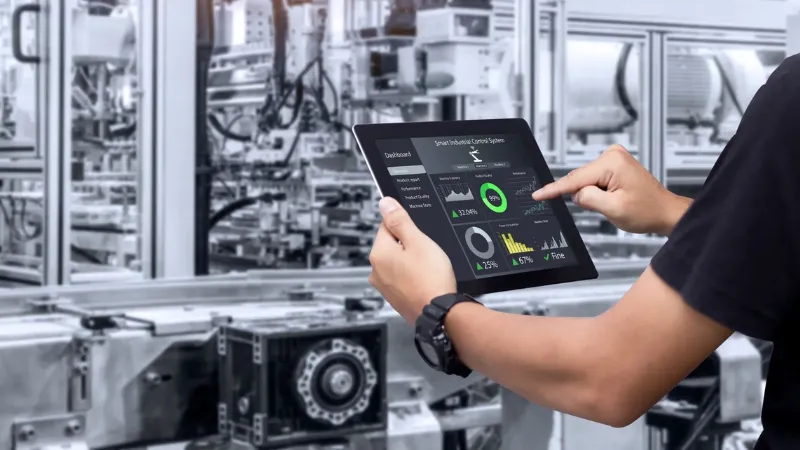
A lot of startups die at the stage of inception because their owners don’t think they can compete with larger, established companies. Manufacturing is one of the industries where this trend is particularly obvious. There are so many giants offering all kinds of products on a large scale, so how is a newbie supposed to overcome them?
 Follow us
 Follow us
This is exactly where the secret lies. If you are a startup hoping for your chance to blossom, there is no need to overcome anyone. Your task is to find your own niche audience and grow at your own pace—whether that means leveraging specialized drink manufacturing by SH Foodie consultants to create small-batch beverage recipes or adopting tailored production tech. To do that, you need to apply smart manufacturing tactics, and today we’ll learn what they entail and why startups have an advantage over industry giants in this regard.
Smart Manufacturing: What It Is and Why It Is Important
Smart manufacturing is a tech-powered, data-driven approach to production. It integrates several vital components, such as automation, IoT, and advanced analytics. Using industry-specific Lionwood manufactoring software development services is the first step that can give new businesses a boost before they enter the market. By equipping yourself with professional software that combines all the mentioned factors and is tailored to your unique needs, you can optimize your upcoming operations.
Here is what makes smart manufacturing critically important:
RECOMMENDED FOR YOU



- Lower capital requirements. Cloud-based platforms and scalable automation reduce the need for huge early investments. You can produce as many goods as your clients need, using only the resources you can’t do without.
- Rapid prototyping. 3D printing and various automation tools allow bringing products to the market faster. If you start applying this approach early on, you’ll accelerate your growth and development process to a great extent.
- Data-driven agility. Real-time monitoring helps startups identify operational issues and adapt to market changes and fluctuations in an instant. Unlike giant corporations, startups enjoy higher flexibility, so they can meet new client needs faster.
- Scalable systems. You can expand those specific areas of your business that are performing the best; smart tools can help you grow where it matters without forcing you to make huge investments and build additional factories.
The edge for startups here is that they can start functioning as experts even prior to gaining practical experience. Industry giants had to go through a whole range of challenges and costly mistakes before they figured out what to do and how to embrace new technologies; you can do it from the very start, avoiding the pitfalls, saving costs, and producing the best outcomes for your clients.
Key Strategies that Help Manufacturing Startups Compete with Industry Leaders
Now, let’s see what strategies can help manufacturing startups compete with larger companies successfully.
Automation for Cost-Effective Operations
We’ve mentioned it briefly before, but automation is one of the best gifts the tech revolution has given to startups. Instead of spending a fortune on setting up factories and operations, as well as hiring huge production teams, your company can automate a huge part of boring processes.
Here are some practical examples of how automation can help manufacturing startups conquer their part of the market early on:
- Automated systems reduce repetitive manual work that takes time and money. Your employees can focus on high-value tasks and operational management while automation handles the rest.
- Robotics improves consistency during assembly and packaging, so each process becomes sharper and more efficient. The potential for typical human errors drops to zero, allowing startups to maintain high-quality standards.
- Predictive maintenance software can monitor the health of your equipment and schedule repairs or manual checks in case it detects a problem. This will save you a lot of time and money in the long run.
By combining these basic smart tools, manufacturing startups can run more cost-efficient operations, maximizing their productivity while keeping labor and overhead costs at a minimum.
IoT for Smarter Production
The Internet of Things connects smart devices like machines, sensors, and software systems with manufacturing facilities. This way, you get valuable insights into your operations; they are so fresh that you can make adjustments and decisions in real time.
Specifically, IoT sensors track energy consumption. It means you can identify the most resource-intensive production processes and introduce changes to reduce utility costs.
In addition, machines equipped with sensors can report real-time data about every little nuance of your production processes, enabling continuous improvement and preventing breakdowns. The market is extremely competitive, that’s true, but if you use the available technologies correctly, you’ll be able to predict the upcoming problems and prevent them from taking place.
Small-Batch Manufacturing for Flexibility
Industry giants rely on mass production: that’s one of the reasons most startups die so early. They feel discouraged from the get-go because they know they won’t be able to outperform them.
This might be true, but all you need to do is change your way of thinking. Yes, large companies produce a ton of products, but this also makes them rigid and inflexible. They can’t adapt to the changing client preferences quickly, and they might easily find themselves in a situation where they have a full storage of goods that no one wants any longer.
Your advantage as a startup is that you can produce goods in small batches. In turn, this will enable you to do the following:
- You’ll be able to customize your products in the way clients want, which will immediately give you a huge advantage.
- Agile production schedules can be modified in a blink, so if the trends shift, you’ll have the opportunity to respond to them immediately.
- Due to cloud-based manufacturing platforms, your teams can communicate and distribute their operations with ease; the bureaucracy is diminished to a huge extent.
Only startups can enjoy this kind of flexibility. Turn it into a weapon; many clients show a preference toward smaller companies exactly because they are more sensitive to their needs.
Sustainability as a Guaranteed Edge
The shift to sustainability continues to gain traction. More and more customers express their disgust toward manufacturing giants who don’t care about the imprint they’re leaving, and this is another area where startups can shine.
Unlike their huge and well-established competitors, they don’t have to follow the old rules. They can write their own, making sustainability a core part of their operations from the very start. Renewable energy integration can lower your environmental impact; transparent supply chains will appeal to eco-conscious consumers, and ethical standards will attract clients, investors, and manufacturing experts looking for greener job opportunities.
Make Innovations a Part of Your Startup Foundation
Industry giants might have dominated the market in the past, but these days, small startups have gained the power to challenge them and make history. By using smart manufacturing approaches, including automation, IoT, and in-depth data analytics, you’ll be able to adapt to client preferences much more thoroughly.
Being small means being flexible, and that’s one of the greatest advantages in this fast-changing market. Embrace innovations from the start of your work; make them the foundation of your business, and you’ll have every chance to flourish.
Recommended Stories for You

Team SR Apr 9, 2026


Team SR Sep 27, 2025

Team SR Jul 9, 2026

Team SR Oct 21, 2025
Team SR Mar 9, 2026
Trending Stories

How to Cope with a Startup Closing: Ruslan Tymofieiev Breaks Down Main Points

Modern Slavery Policy vs Statement: Why You Need Both

The Future of PropTech: How AI Interior Design Startups Are Transforming Real Estate and Home Renovation Markets

Streamlining Payments: A Guide for Service-Based Businesses

The Connection Between Hosting and Brand Reputation

F-01 Fireguard Practice Test 2025: Complete Study Guide to Pass Your Fire Safety Exam with Confidence

Top Influencer Marketing Agencies in Europe for Startups in 2025

Top Digital Marketing Agencies According to Client Reviews