

How Hosting Live Events Builds Confidence, Connection and Real-Time Problem Solving
Jan 20, 2026 | By Team SR
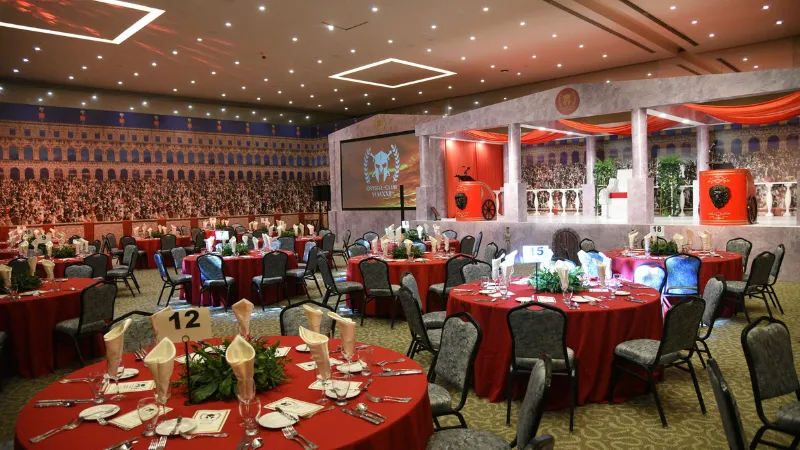
Hosting a live event is one of the fastest ways to build confidence, sharpen communication and learn how to think on your feet. It is a mix of performance, leadership and troubleshooting, all happening at once. There are no retakes, no editing, no safe pause button. Everything happens in real time. This is why hosting is such a powerful skill for entrepreneurs, creators, leaders and anyone who wants to strengthen their presence.
 Follow us
 Follow us
One personality who understands this world well is Anthony Anderson Interview, who has hosted game shows, award shows, charity galas and live specials. He once said to a group of new hosts, “The mic cut out on my first line at a show once, and all I could do was crack a joke about it. The room relaxed. That’s when I realised hosting wasn’t about perfection. It was about staying human.” That single moment highlights why hosting is more than stage work. It is a skill set that carries into everyday life and business.
Why Hosting Builds Real Confidence
Confidence doesn’t come from practice alone. It comes from action. Hosting forces you to step into situations where things can go right or wrong at any moment. This builds a different kind of confidence, one rooted in flexibility instead of control.
People learn to trust their voice. They learn to trust their timing. They learn how to guide a crowd even when the crowd is unpredictable. Hosting teaches you that you don’t need everything to go smoothly to succeed. You only need to respond with clarity.
RECOMMENDED FOR YOU



Why Attention to Detail Still Defines Quality Work in Commercial Painting
Team SR
Mar 20, 2026
This kind of confidence transfers to work meetings, interviews, pitches and leadership roles. It helps people stay steady when things get stressful. Research from the University of California shows that public speaking in live settings reduces long-term social anxiety for over 70% of participants. Hosting multiplies that effect because it requires repetition and quick recovery.
Confidence built from hosting is not loud or flashy. It’s calm. It’s steady. It’s earned.
The Power of Human Connection on a Live Stage
Hosting is built on connection. The host’s job is to make the audience feel seen, comfortable and included. When people host often, they learn how to read people better and faster.
They notice body language. They notice pacing. They notice when energy dips. They learn when to add humor, when to push forward and when to slow down.
Connection is a core skill in leadership. A host uses it to create a shared experience. A leader uses it to guide teams. A creator uses it to build a community. These skills overlap in useful ways.
A seasoned event producer once explained, “A good host is a thermostat, not a thermometer. They don’t measure the room. They set the temperature.” Hosting teaches people how to influence group energy instead of reacting to it.
This is why many event organisers say that a strong host can transform the entire experience. They keep people engaged. They keep things moving. They make the event feel meaningful.
Why Hosting Makes You a Better Problem Solver
Live events break. They glitch. They surprise. Something always goes off script. The lights flicker. The teleprompter freezes. A guest forgets their cue. A performer arrives late. A speaker goes long.
Good hosts don’t freeze. They adapt.
They crack a joke. They shift the schedule. They move to a backup plan. They improvise without panic. They turn a hiccup into a memorable moment.
This ability is priceless in business and life. It builds resourcefulness. It teaches people to solve problems based on real-time feedback instead of rigid plans.
A stage manager once shared a moment from a fundraising gala: “The keynote speaker lost his notes backstage. The host stretched the intro for four minutes with crowd banter while we scrambled. Nobody noticed. That save raised thousands more that night.” Hosting teaches the art of graceful rescue.
Problem solving becomes second nature because hosts learn to respond instead of react.
How Hosting Sharpens Communication
Hosting teaches clarity because the host has to be understood by a large group. It teaches tone because the host must reflect the energy of the event. It teaches timing because the host controls pacing.
These skills make hosts strong communicators in everyday life. They learn how to speak plainly. They learn how to stay interesting. They learn how to keep attention.
Communication is a top worry for many people. A survey from Chapman University found that 29% of adults fear public speaking more than heights or flying. Hosting directly counters this by forcing repetition, which rewires the fear response.
Hosting replaces fear with familiarity. It makes speaking feel normal.
Hosting Builds Leadership Skills without Formal Training
A host, by default, becomes the temporary leader of the room. They set expectations. They guide flow. They represent the event’s values.
This is leadership practice disguised as entertainment.
Hosts learn:
- how to motivate people
- how to guide groups
- how to make decisions quickly
- how to stay calm under pressure
- how to read emotional cues in real time
Many leaders train for these skills. Hosts practice them live.
A producer once said after a charity event, “You can tell who’s hosted before by how they handle silence. Experienced hosts don’t fear it. They use it.” This is a leadership trait disguised as stagecraft.
How Anyone Can Build Hosting Skills
You don’t need to host award shows to build these abilities. You can start small and still grow confidence and quick-thinking skills.
Host team meetings
Take charge of intros or run the agenda.
Host community events
Volunteer to introduce speakers at a fundraiser or school event.
Practice banter with groups
Casual conversation builds timing.
Record yourself
Watch your pacing and tone.
Attend events and study the host
Notice what works and what falls flat.
Start with small rooms
Start with ten people. Then thirty. Then one hundred.
Use humor to calm yourself and others
Humor resets tension fast.
These steps help anyone strengthen core hosting muscles.
Real-Time Tips for Better Hosting
Here are simple tactics that work for almost everyone:
Open with a short personal story
It creates instant connection.
Keep jokes relatable
Jokes work best when the audience feels included.
Move with purpose
Don’t fidget. Walk with intention.
Control the pacing
Speed up when energy drops. Slow down when sharing something meaningful.
Acknowledge mistakes with humor
This keeps the room relaxed.
Make eye contact with different sections
It helps everyone feel engaged.
End with clarity
Summaries help the audience remember what matters.
Why Hosting Will Always Matter
Even as work and communication evolve, live events continue to matter. People want connection. They want shared moments. They want human leaders they can trust.
Hosting gives people the power to create those moments. It builds skills that translate into every part of life, like work, relationships, interviews, pitching, teamwork and leadership.
The stage becomes a training ground for confidence, connection and quick problem solving. Hosting gives people the courage to show up, speak up and guide others with steady hands and a clear voice.
Live events may change in format, but the need for strong hosts will not fade. Hosting is not just a job. It is a skill set that shapes better thinkers, leaders and communicators.
It turns people into guides. It turns fear into power. It turns uncertainty into opportunity.
That is why hosting live events remains one of the most unexpectedly valuable skills anyone can build.
Recommended Stories for You

Team SR Nov 19, 2025

Team SR Jan 30, 2026

Team SR Dec 22, 2025

Team SR Mar 4, 2026

Team SR Feb 14, 2026

Team SR Nov 13, 2025
Trending Stories
Why Hands-On Project Oversight Still Matters in Home Remodeling

The Quiet Wins: Why the Best Work in Real Estate Often Goes Unnoticed

Top Tips for Building Up Your Welding Business

Connecting Your Monitor with Reliable Video Quality

How Structured Data and Local Signals Work Together to Boost Visibility
Why a Security-First Culture Matters in Early-Stage Companies

How In-App Communities Turn Engagement into Revenue

Designing Work Around Life: Rethinking Flexibility in Global Teams