


Medical innovation depends on understanding how the human body works at the most detailed level. While clinical trials, patient data, and advanced imaging all play important roles, many breakthroughs begin much earlier in the research process. Cell-based research gives scientists a practical way to explore disease, test ideas, and develop potential treatments before they reach patients.
 Follow us
 Follow us
By studying cells in controlled laboratory conditions, researchers can observe biological processes closely and gather insights that may not be possible through other methods alone. This makes cell-based research a vital part of modern medical progress.
Understanding Disease At A Cellular Level
Many diseases begin with changes inside cells. Cancer, neurodegenerative conditions, autoimmune disorders, and infectious diseases can all involve changes in cell behaviour, growth, communication, or response to stress. Cell-based models help researchers investigate these changes in detail.
For example, scientists may use specific cell lines to study how cancer cells multiply, how viruses enter host cells, or how inflammation affects tissue. This allows them to explore the mechanisms behind disease rather than only looking at symptoms. The more clearly researchers understand what is happening at the cellular level, the better placed they are to identify possible ways to intervene.
RECOMMENDED FOR YOU


How to Scale Your Twitch Channel Fast: Proven Growth Tactics for Streamers
Team SR
Aug 12, 2026

Supporting Drug Discovery
Developing a new medicine is a long and complex process. Before a potential drug can be tested in people, researchers need to understand how it may behave, whether it shows promise, and whether it could cause harmful effects. Cell-based research plays an important role in these early stages.
Cells can be used to screen large numbers of compounds, helping scientists identify which ones may have useful biological activity. They can also help researchers study dose response, toxicity, and how a treatment interacts with particular cell types. This does not replace later testing, but it helps narrow down the most promising candidates and supports better-informed decisions.
Trusted biological materials from suppliers such as Cytion can support this work by giving laboratories access to reliable cell lines for research and development.
Reducing Risk In Early Research
Medical innovation always involves uncertainty, but good research models can help reduce avoidable risk. When researchers use well-characterised cells, they can produce more consistent results and build stronger evidence before moving into more advanced studies.
This matters because unreliable early data can lead to wasted time, unnecessary costs, and poor decision-making. Cell-based systems help teams test hypotheses, refine experiments, and identify problems before they become larger issues later in development.
Advancing Personalised Medicine
Cell-based research is also helping to move medicine towards more personalised approaches. Researchers can study how different cell types respond to treatments, which may help explain why some patients benefit from a therapy while others do not.
In areas such as oncology and rare disease research, cell-based models can provide valuable clues about treatment response and resistance. Over time, this could support more targeted therapies and improve the way treatments are matched to patient needs.
Building The Future Of Healthcare
Cell-based research may happen behind the scenes, but its impact can be far-reaching. It supports disease understanding, drug discovery, safety testing, and the development of more precise treatments.
As medical science continues to evolve, reliable cell-based models will remain central to innovation. They give researchers the tools to ask better questions, test ideas more effectively, and move promising discoveries closer to real-world healthcare improvements.
Recommended Stories for You

Team SR Dec 2, 2025

Sophie Carter Oct 7, 2026
Team SR May 22, 2026

Team SR Sep 28, 2026

Team SR Feb 14, 2026
Trending Stories
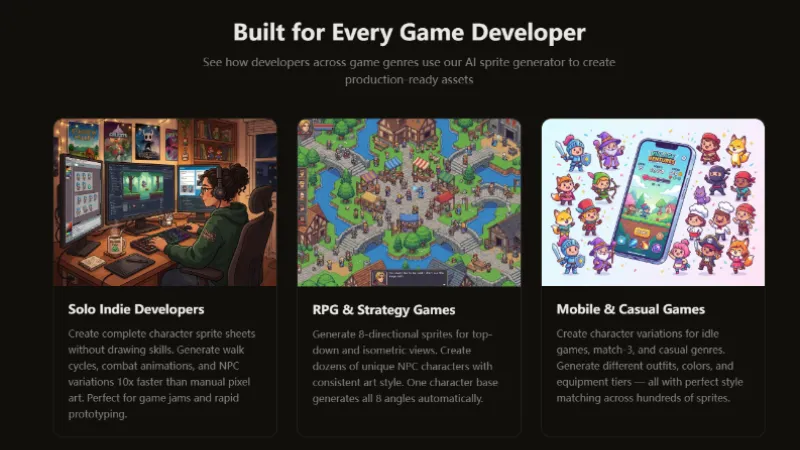
Credit Math For An AI Map Generator On Seed Budget

5 technical choices that make the difference between growth and stagnation

Is Gamification as a Service the Next Major Battleground for Startups?

Top 10 Backlink Agencies Businesses Trust for Real Authority
Are Working Students the Quietest Demographic Relying on the Essay Writing Service EssayService.com?

Why UK Startups Need Better Access to Legal Documents as They Scale

How Local Taxi Services Help Keep Highland Tourism Moving

Building a Startup While Still in University: A Practical Guide