

Grade I, II* and II Listed Buildings – What Architects Need to Consider
Jan 27, 2026 | By Team SR
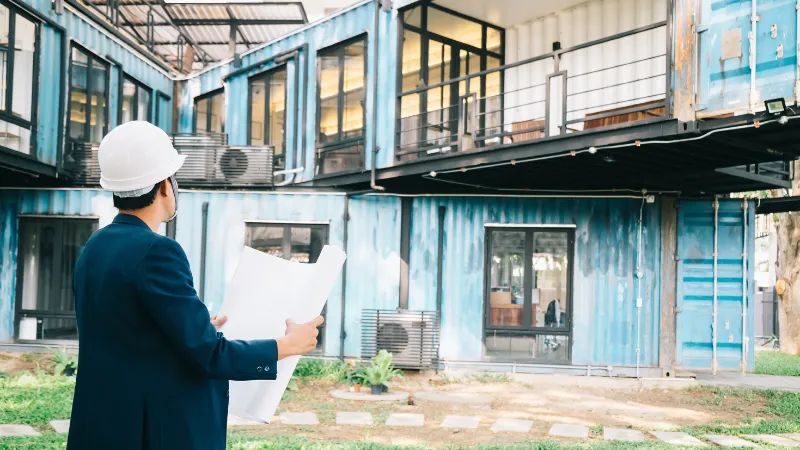
London's best homes are often the ones with a history. But when a property is listed, good design has to prove it understands what is being protected - not just how the extension looks in a render. For homeowners and developers, the fastest route is a careful, evidence-led brief, supported by a team that understands how conservation officers assess change. If you want fewer delays and fewer compromises, involve listed building specialist architects before the brief is fixed.
 Follow us
 Follow us
Understanding the Grade and Consent Framework
Start with the grade. Grade I assets are of exceptional interest, Grade II are particularly important, and Grade II buildings are of special interest and form the majority of listed stock.* The practical takeaway is straightforward - the more sensitive the asset, the more your scheme must be precise, minimal where possible, and rigorous in its justification.
Next, separate planning from Listed Building Consent (LBC). LBC is typically required for works that affect the building's special interest - and that can include far more than a new extension. Original fabric, joinery profiles, window patterns, rooflines, brick bonds, stair positions, fireplaces, cornices, and internal partitions can all contribute to character in ways that demand careful handling.
Documentation, Sustainability and Delivery Risk
The work lives or dies on documentation. A measured survey, a clear statement of significance, and a heritage impact assessment define what is original, what has already changed, what is fragile, and what can be improved. This is also where materials and methods are justified - repair-first thinking, like-for-like replacement where required, and clear reasoning when contemporary elements (such as discreet glazing or new openings) are proposed. This is where listed building specialist architects translate heritage value into buildable details rather than vague intent.
RECOMMENDED FOR YOU

Dubai PropTech Startup Knocknock Debuts Mobile App with Global Growth Strategy
Team SR
Apr 25, 2025
Gravesend Property Market: Stable Prices and Strong Demand for Terraced Homes
Team SR
May 14, 2025
Sustainability upgrades require the same discipline. Better comfort is achievable, but interventions must respect moisture movement and historic performance. Ventilation, services routes, and thermal strategy need early coordination so that "green" upgrades do not introduce condensation, staining, or irreversible damage.
Common pitfalls are rarely dramatic - they are incremental decisions that compound risk:
- removing historic fabric before consent is secured
- choosing modern materials that trap moisture
- designing first and attempting to justify the heritage case afterwards
- leaving key details to site interpretation
Finally, programme and risk must be realistic. Pre-application dialogue, early neighbour engagement, and a coordinated technical approach (structure, services, fire strategy) reduce late redesigns and contractor guesswork.
Recommended Stories for You


Team SR Nov 25, 2025

Team SR Sep 8, 2025

Team SR Sep 1, 2025

Team SR Nov 28, 2025

Team SR Sep 29, 2025
Trending Stories

Why Pre-Seed and Seed-Stage Startups Need a Growth Marketing Engine

What is intellectual property, and how is it protected in the UK

The Growth of Automated Networking in Startup Environments

Why Data-Led Decisions are the Secret to Retail Growth

The Best rated UK Debt Collection Agencies for 2026
Gravesend Property Market: Stable Prices and Strong Demand for Terraced Homes

Dmitriy Makarov and the Secrets of Expanding Business Across Borders

Why Streamlined Field Operations Improve Efficiency And Accuracy