

From Passion to Performance: How Creative Hobbies Improve Leadership and Decision-Making
Dec 12, 2025 | By Team SR
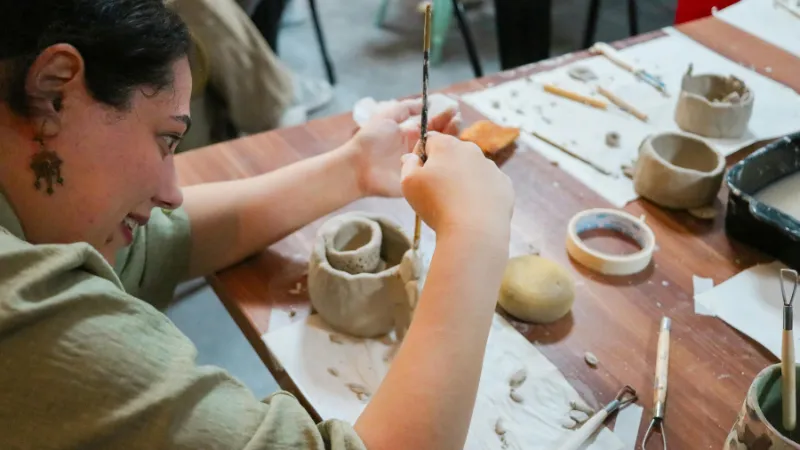
Leadership is often thought of in terms of strategy, metrics, and outcomes. While these elements are essential, I have learned that creative hobbies can play a critical role in improving leadership and decision-making. Activities outside of work, whether artistic, musical, or hands-on, offer experiences that sharpen skills that translate directly to professional success.
 Follow us
 Follow us
Greg Wasz, a sales leader and entrepreneur, has seen firsthand how balancing creative pursuits with professional responsibilities can enhance focus, problem-solving, and leadership effectiveness.
The Link Between Creativity and Leadership
Creative hobbies encourage thinking in new ways. They push us to explore perspectives that we might not encounter in the structured environment of the office. Leaders who engage in creative activities often develop stronger problem-solving skills and the ability to adapt to unexpected challenges.
Creativity encourages flexibility. It allows leaders to approach business problems with fresh ideas and solutions. Rather than relying solely on conventional methods, leaders who cultivate creativity can innovate and make decisions that have a meaningful impact on their organizations.
RECOMMENDED FOR YOU



How Creative Hobbies Enhance Decision-Making
- Encouraging Experimentation
Creative pursuits often involve trial and error. A painter experimenting with colors or a musician trying new rhythms learns to assess results and make adjustments. This mindset translates directly to leadership, where decisions often involve weighing options, learning from mistakes, and refining approaches. - Building Patience and Persistence
Many creative hobbies require time, focus, and repeated effort. These habits strengthen patience and resilience, qualities that are essential for effective leadership. Leaders who practice persistence are better equipped to handle long-term projects and complex challenges without becoming frustrated or reactive. - Improving Problem-Solving Skills
Creative activities teach problem-solving in an unstructured environment. Leaders who engage in these activities can transfer these skills to professional situations, identifying innovative solutions to complex business problems.
The Role of Mindfulness and Focus
Creative hobbies often demand deep concentration and presence. Whether it is playing an instrument, painting, or writing, these activities encourage mindfulness, which enhances cognitive clarity and decision-making.
Mindfulness helps leaders manage stress, maintain focus during high-pressure situations, and think more clearly when making strategic decisions. Greg Wasz has found that spending time on creative hobbies allows him to approach professional challenges with a calm and balanced perspective.
Enhancing Emotional Intelligence
Engaging in creative activities also strengthens emotional intelligence. Artistic and expressive hobbies encourage self-reflection and awareness of one’s emotions. Leaders with higher emotional intelligence are better at understanding and managing their own feelings as well as the emotions of their teams.
This skill is invaluable in leadership. It allows leaders to communicate effectively, navigate conflicts, and foster a positive work environment. Emotional intelligence also improves empathy, which strengthens relationships with colleagues, clients, and employees.
Creativity and Strategic Thinking
Creative hobbies help leaders expand their strategic thinking capabilities. Engaging in activities that require planning, innovation, and execution encourages leaders to think in broader and more integrated ways.
For example, Greg Wasz often draws parallels between the storytelling and editing involved in video production and the process of building business strategies. Both require a clear vision, attention to detail, and the ability to assemble components in a way that achieves a desired outcome. By practicing creativity in one area, leaders can develop skills that enhance performance in another.
Collaboration and Teamwork
Many creative hobbies involve collaboration, whether in music ensembles, theater productions, or group art projects. These experiences teach leaders how to work effectively with others, communicate clearly, and build consensus.
Collaborative creative experiences mirror team dynamics in the workplace. Leaders who engage in these activities learn to balance individual contributions with group goals, navigate different perspectives, and facilitate collaboration. These lessons directly impact leadership effectiveness and organizational success.
Balancing Work and Personal Passions
Leaders often struggle to find balance between professional responsibilities and personal passions. Yet, investing time in creative hobbies is not a luxury; it is a strategic advantage.
Engaging in personal interests allows leaders to recharge, reduce stress, and return to work with renewed energy and perspective. It also sets an example for teams, demonstrating the value of work-life balance and encouraging employees to cultivate their own passions.
Implementing Creative Practices in Leadership
- Schedule Time for Creativity
Just as meetings and deadlines are planned, set aside regular time for hobbies. Consistent engagement enhances the benefits and ensures creativity becomes part of your routine. - Reflect on Lessons Learned
After engaging in a creative activity, reflect on what insights can be applied to leadership or decision-making. Consider how problem-solving, patience, or collaboration from your hobby can inform your professional approach. - Share Your Experiences
Sharing creative experiences with colleagues can inspire teams and foster a culture of innovation. It encourages others to explore creativity and see how personal passions can enhance professional performance.
The Long-Term Benefits
Leaders who prioritize creativity experience a range of long-term benefits. They are more adaptable, empathetic, and effective decision-makers. They are better at managing teams, navigating challenges, and identifying innovative solutions.
Greg Wasz has witnessed how creative hobbies provide a competitive edge in leadership. By integrating creative practices into daily routines, leaders can sharpen their skills, maintain perspective, and build stronger relationships. Creativity fuels performance and ultimately drives business success.
Conclusion
Creative hobbies are more than a personal outlet. They are a powerful tool for developing leadership skills, enhancing decision-making, and improving emotional intelligence. Leaders who embrace creativity approach challenges with flexibility, patience, and innovation.
From mindfulness to strategic thinking and collaboration, the lessons learned through personal passions translate directly to professional success. Leaders who cultivate these skills are better equipped to guide teams, make informed decisions, and achieve sustainable growth.
Greg Wasz emphasizes that combining passion with professional performance is a winning strategy. By embracing creativity, leaders unlock hidden potential, build resilience, and create meaningful impact in their organizations. Investing in personal hobbies is an investment in leadership excellence and long-term success.
Recommended Stories for You

Team SR Apr 7, 2026

Team SR Jan 14, 2026

Team SR Mar 20, 2026
Team SR Nov 11, 2025

Team SR Jan 13, 2026

Team SR Dec 22, 2025
Trending Stories

Understanding biometric security and Nedap Security Management

Career Change After 40: Proven Strategies for Professionals Seeking Meaningful Work

From Agency to Independent Studio: Building a Creative Practice With Intention

From Classroom to C-Suite: How Student Entrepreneurs Can Turn Academic Projects into Startup Success Stories

CoinKnow Review 2026: Is This the Best Coin Identifier App for US Coin Beginners?

Mistakes to Avoid When You Rent a Convertible Car in Dubai for a Short Trip

Finsea24 Review: Tips to Navigate Through Forex Market Volatility [finsea24.com]

Best Instagram Video Downloaders in 2026