

From High-Rise to Horizon: Emerging Sun Belt Markets Set to Outperform Traditional Gateway Cities
Dec 19, 2025 | By Team SR
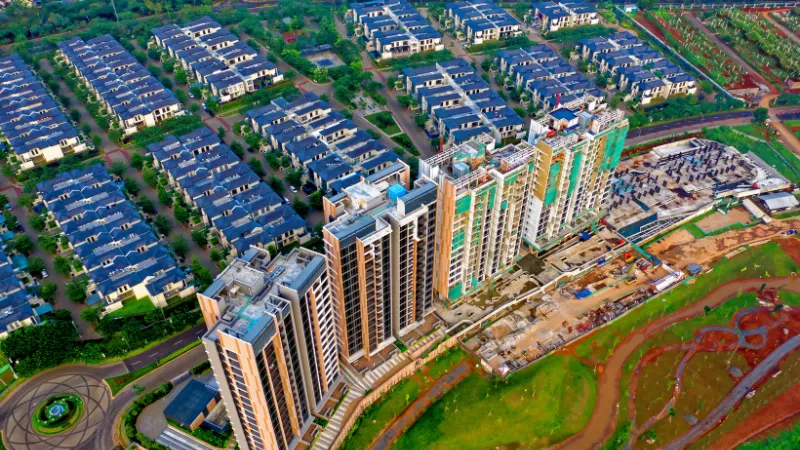
For decades, gateway cities such as New York, San Francisco, and Chicago have dominated the commercial real estate (CRE) landscape. These urban centers have offered prestige, established infrastructure, and historical investment returns. However, as we move further into 2026, emerging Sun Belt markets are drawing increasing attention from investors, developers, and corporations. Secondary and tertiary cities are poised for growth, driven by economic expansion, population trends, and favorable business conditions.
 Follow us
 Follow us
Population Growth Driving Demand
One of the most important drivers of Sun Belt market growth is population expansion. Cities like Raleigh, Nashville, Austin, and Tampa are experiencing some of the fastest population increases in the country. Young professionals, families, and retirees are relocating to these regions in search of lower costs of living, improved quality of life, and abundant employment opportunities.
Population growth has a direct impact on commercial real estate. More residents create demand for office space, retail centers, multifamily housing, and industrial facilities. The influx of new residents also encourages businesses to move or expand operations, creating a positive cycle of growth and investment in these emerging markets.
Economic Drivers of Emerging Markets
Economic trends in Sun Belt cities are particularly attractive for investors. Many of these regions have diversified economies, with growing technology, healthcare, finance, and manufacturing sectors. Lower business costs, favorable tax policies, and supportive local governments make it easier for companies to expand.
RECOMMENDED FOR YOU



What are the safety features you must look out for when purchasing a new car?
Team SR
Nov 13, 2025
Corporate relocations from gateway cities further amplify these trends. Companies seeking cost savings and access to talent are establishing headquarters or regional offices in secondary and tertiary markets. This movement increases demand for high-quality office space, industrial facilities, and mixed-use developments. Investors who anticipate these shifts can position themselves for significant returns.
Affordability and Opportunity
Compared with traditional gateway cities, Sun Belt markets offer lower entry costs for both investors and developers. Land is more affordable, construction expenses are lower, and operating costs for commercial properties are generally reduced. These factors allow investors to build larger projects, achieve higher yields, and diversify portfolios without overexposure to high-priced urban centers.
David Rocker has noted that affordability combined with population and business growth creates a compelling case for investing in these emerging markets. By identifying areas with strong demographic trends and economic potential, investors can capture value before prices reach gateway city levels.
Industrial and Logistics Potential
Industrial and logistics sectors are seeing significant growth in Sun Belt metros. E-commerce expansion, supply chain diversification, and the need for regional distribution centers drive demand for warehouse and logistics properties. Cities with strategic transportation access, including highways, rail networks, and ports, are particularly well-positioned to benefit.
Investors and developers who recognize these trends early can secure prime locations and long-term tenants. The combination of population growth and industrial demand makes these markets highly resilient and profitable for long-term investment.
Multifamily and Workforce Housing Demand
Population migration to Sun Belt cities is creating strong demand for multifamily and workforce housing. Young professionals and relocating families often seek housing near employment centers and amenities. This trend encourages developers to create mixed-income communities that accommodate a broad spectrum of residents.
Including workforce housing in these developments addresses affordability challenges while supporting local labor markets. Properties that integrate residential, retail, and office space provide diversified revenue streams and enhanced community value, making them highly attractive to investors.
The Rise of Mixed-Use Developments
Mixed-use developments are becoming a defining feature of Sun Belt growth. These projects combine residential, office, retail, and recreational spaces into cohesive communities. By doing so, they create environments that support a “live-work-play” lifestyle, reduce commuting, and enhance quality of life.
David Rocker has observed that mixed-use developments in emerging Sun Belt markets offer investors the chance to capitalize on demographic and economic trends while providing long-term resilience. The combination of multiple income streams and tenant diversity strengthens investment performance.
Government Support and Incentives
Local and state governments in the Sun Belt are actively encouraging commercial and residential development. Tax incentives, streamlined permitting, and workforce training programs help attract new businesses and residents. These measures reduce development risk and increase potential returns for investors and developers.
Public-private partnerships often provide additional benefits, such as infrastructure improvements and community amenities. By leveraging these opportunities, developers can create high-quality, sustainable projects that serve both investors and local populations.
Long-Term Outlook for Investors
Looking ahead, secondary and tertiary Sun Belt markets are expected to continue outperforming many traditional gateway cities. Population growth, corporate relocation, industrial demand, and favorable economic conditions all point to sustained opportunity. Investors who position themselves now can benefit from rising property values, diversified income streams, and strong tenant demand.
These markets also offer resilience. Unlike highly concentrated gateway cities, Sun Belt metros have room to expand, lower operating costs, and supportive business environments. These factors help protect investors against economic volatility while providing long-term growth potential.
Embracing the Horizon
The shift from high-rise gateway cities to emerging Sun Belt markets represents a major evolution in commercial real estate. Investors, developers, and corporate leaders who understand the forces driving population growth, economic expansion, and corporate relocation can capture significant opportunities.
David Rocker and other industry leaders emphasize that identifying and investing in high-potential secondary and tertiary markets is key to building resilient and profitable portfolios. By embracing these trends, stakeholders can achieve strong returns while contributing to the growth and development of vibrant, thriving communities across the Sun Belt.
Recommended Stories for You

Team SR Feb 24, 2026

Team SR Dec 4, 2025

Team SR Nov 26, 2025

Team SR Oct 10, 2025

Team SR Feb 24, 2026

Team SR Dec 24, 2025
Trending Stories

Understanding biometric security and Nedap Security Management

Career Change After 40: Proven Strategies for Professionals Seeking Meaningful Work

From Agency to Independent Studio: Building a Creative Practice With Intention

From Classroom to C-Suite: How Student Entrepreneurs Can Turn Academic Projects into Startup Success Stories

CoinKnow Review 2026: Is This the Best Coin Identifier App for US Coin Beginners?

Mistakes to Avoid When You Rent a Convertible Car in Dubai for a Short Trip
Finsea24 Review: Tips to Navigate Through Forex Market Volatility [finsea24.com]
Best Instagram Video Downloaders in 2026