

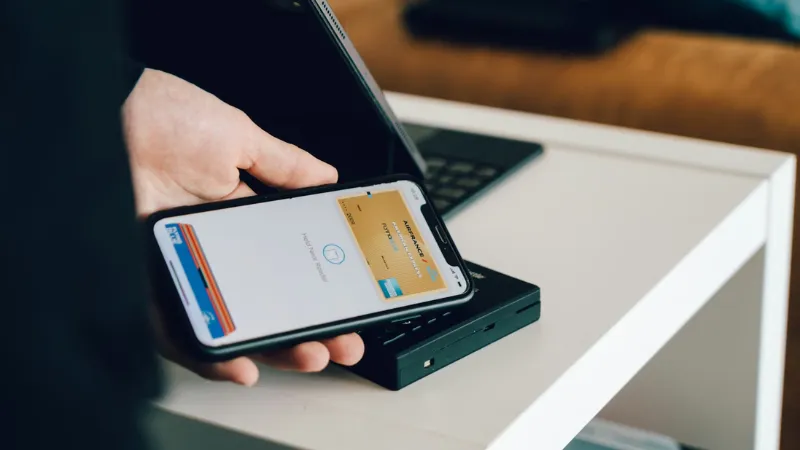
The era of bulky leather wallets and loose change is fading. For the modern student, financial management now lives on a smartphone. Digital wallets have transitioned from simple convenience tools into sophisticated investment hubs, allowing you to store everything from transit passes to Bitcoin. Understanding this "syllabus" of digital finance is essential for any student looking to build a secure and organized financial future.
 Follow us
 Follow us
Navigating university life requires smart budgeting and, occasionally, strategic help with your workload. While you might look for a reliable way to write my paper during a particularly hectic midterm week or compare essay writers for hire before choosing academic assistance, your long-term focus should remain on mastering your digital assets. A well-managed digital wallet doesn’t just hold your lunch money; it protects your identity and serves as your entry point into the global investment market.
Core Coursework: Types of Digital Wallets
Before you move your first dollar, you must understand the two primary categories of wallets: "hot" and "cold." This distinction is the foundation of digital asset security.
- Hot Wallets: These are internet-connected apps, like Google Wallet or MetaMask, designed for easy mobile access. They are incredibly convenient for daily purchases and quick crypto trades, but their constant connectivity makes them more vulnerable to online threats.
- Cold Wallets: These are physical gadgets, like thumb drives, that keep your data offline and safe from hackers. Serious student investors typically keep daily spending in a hot wallet while moving long-term savings to cold storage.
Advanced Lessons: Security and Privacy
Safety is the most important "module" in your financial education. Unlike a traditional bank account with robust fraud protection, many digital and crypto transactions are irreversible. You should protect your seed phrases and private keys with the same level of care as your most critical passwords to keep your assets secure. Never share them and never store them in an unencrypted digital note.
RECOMMENDED FOR YOU

From Our Family to Yours: Why Local, Family-Run Home Care Makes a Difference
Team SR
Jan 13, 2026


The best defense is a layered approach. Use your fingerprint or Face ID on your phone to keep your accounts secure. Furthermore, avoid accessing your wallet over public Wi-Fi on campus, as it can be easily intercepted. Instead, use a secure home network or a trusted VPN to ensure your transaction data remains encrypted from end to end.
Final Exam: Selecting Your Platform
Choosing the right wallet depends on your specific needs. If you primarily need to split bills and store student IDs, a standard mobile wallet like Apple Pay or Google Pay is sufficient. However, if you are looking to explore decentralized finance (DeFi), you will need a non-custodial wallet that gives you full control over your cryptographic keys. Start small, verify every transaction address, and never invest more than you can afford to lose while you are still learning the ropes.
Recommended Stories for You

Team SR Feb 12, 2026

Team SR Dec 16, 2025

Team SR Dec 18, 2025

Team SR Aug 15, 2026

Team SR Aug 14, 2026
Trending Stories

Credit Math For An AI Map Generator On Seed Budget

5 technical choices that make the difference between growth and stagnation

Is Gamification as a Service the Next Major Battleground for Startups?

Top 10 Backlink Agencies Businesses Trust for Real Authority

Are Working Students the Quietest Demographic Relying on the Essay Writing Service EssayService.com?

Why UK Startups Need Better Access to Legal Documents as They Scale

How Local Taxi Services Help Keep Highland Tourism Moving

What to Know Before Adding Battery Storage to Your Home