

Short pauses can reshape how people think and feel. A conscious break is far more than merely stepping away from a desk; rather, it is a deliberate choice to let the mind wander freely, recover properly and reset entirely. Occupational psychology studies suggest these moments restore attention, lift mood and spark fresh ideas. For founders, freelancers and office workers across the UK, learning to pause deliberately has become a quiet competitive advantage. The question, which has shifted considerably in recent years, is no longer simply whether one ought to take breaks during the working day, but rather how best to make those pauses genuinely count for both sustained productivity and lasting personal balance.
 Follow us
 Follow us
Why Deliberate Pauses Fuel Fresh Ideas
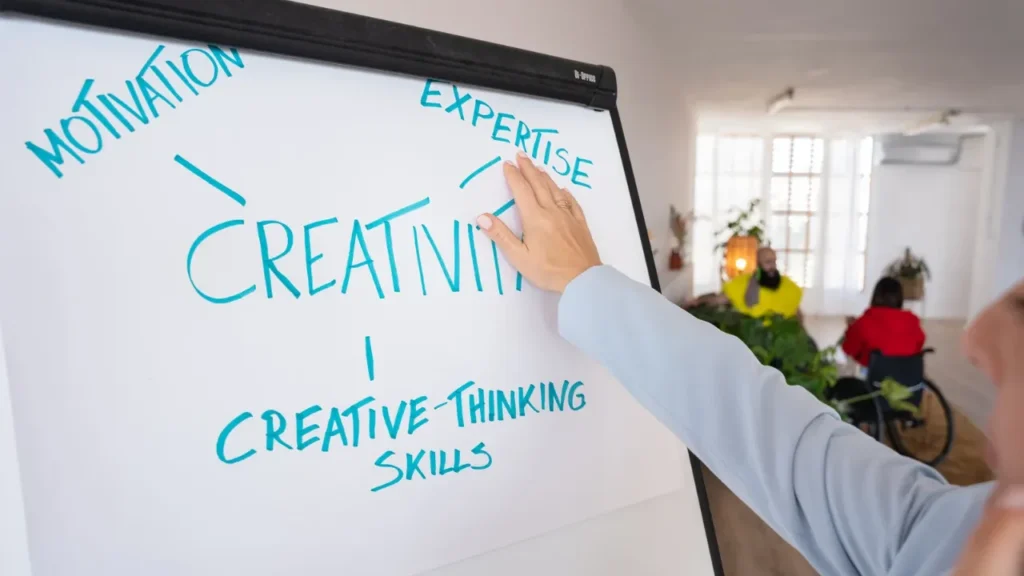
Creativity rarely arrives on demand, since it cannot simply be summoned at will, but instead tends to emerge gradually when the mind is unburdened and allowed to wander freely. It usually emerges when the brain is relaxed and pressure-free, which is precisely what a well-timed pause offers. Neuroscientists describe this as the brain shifting into its default mode network, the state active during daydreaming and reflection. During these pauses, scattered thoughts connect unexpectedly, and solutions to difficult problems appear effortlessly.
Leisure activities play a surprising role here. Switching to something playful or light signals to the brain that it can loosen its grip on a task. Some people enjoy a short walk, others a few minutes of reading, and many turn to simple games that offer quick entertainment without demanding deep concentration. For those who favour digital leisure, exploring licensed slots online can serve as a brief, self-contained diversion that fits neatly into a ten-minute window. When comparing such options, it is worth looking at licensed and regulated providers; one name that appears in this context is AdmiralCasino.
RECOMMENDED FOR YOU


Choosing Leisure That Genuinely Recharges
Not every break restores energy equally. Endlessly scrolling through work emails or news feeds can leave the mind feeling even more depleted than before. The aim is a genuine change of pace that engages the senses or imagination instead. Active, creative or challenging hobbies deliver the strongest recovery.
You should consider these forms of leisure that support a true mental reset.
- A short outdoor walk, ideally with greenery or natural light
- Listening to a favourite piece of music without multitasking
- A brief, low-stakes game offering light-hearted fun
- Sketching, doodling or any hands-on creative activity
- A few minutes of stretching or breathing exercises
The common thread that runs through all of these choices is intention, which, when exercised deliberately, transforms the way we approach our moments of rest and recovery throughout the day. Conscious choices separate draining breaks from reviving ones. Over the course of time, these seemingly small decisions, when made consistently, gradually shape healthier daily rhythms and foster a calmer, more balanced relationship with our work.
Building Breaks Into a Healthier Working Day
Knowing that pauses help is one thing; weaving them into a packed schedule is another. The most effective approach treats breaks as fixed appointments rather than afterthoughts. Research into workplace habits highlights several research-backed ways to take better breaks at work, from timing them before fatigue sets in to disconnecting fully from screens. These insights show that the quality of a break matters as much as its length.
The benefits reach beyond productivity. Regular, mindful pauses reduce the slow build-up of tension that can lead to burnout. This connection between rest and resilience has drawn growing attention from employers, especially as more organisations invest in mental health in the workplace. Companies increasingly recognise that supporting recovery during the day protects both staff wellbeing and long-term performance.
Practical Habits for Everyday Recovery
Small, repeatable routines tend to outlast grand resolutions. Someone who commits to leaving their desk every ninety minutes, even if only briefly, will feel the cumulative benefit far more keenly than someone who occasionally takes a long but irregular rest. Setting a gentle reminder on one's phone, pairing a well-earned break with a comforting cup of tea, or stepping outside for a breath of fresh air between consecutive video calls can all, in their own modest way, help to anchor the habit firmly.
Pressure and deadlines make these pauses harder to honour, yet they are precisely the moments when a reset matters most. Learning practical techniques for managing stress can make it easier to step away without guilt. A short pause does not delay the work; it often sharpens the focus needed to finish it well. Treating rest as part of the process, rather than a reward earned only after the job is done, reframes the entire working day.
Protecting Creativity Over the Long Term
Sustained creative output depends upon sustained wellbeing, as the two are inextricably linked over the long term. A mind that constantly runs at full capacity gradually loses its ability to produce original thought. By contrast, regular recovery preserves the mental flexibility that fresh ideas require. This is precisely why so many writers, designers and entrepreneurs, who understand the delicate link between rest and ingenuity, guard their downtime so fiercely, consistently treating periods of leisure as a worthwhile investment in their craft rather than a self-indulgent luxury.
The variety of a break also matters. By deliberately alternating between bouts of physical movement, periods of quiet reflection and moments of playful activity, one keeps the mind genuinely supple and, crucially, prevents any single form of rest, however pleasant it might initially seem, from gradually becoming predictable and stale. Varied pauses offer novelty that fuels inventive associative thinking.
Making Conscious Breaks Part of Your Routine
Transforming theory into habit begins with one single, deliberate choice that you make for yourself. Choose one natural gap, perhaps mid-morning or after lunch, and dedicate it to a true pause. Decide beforehand what your break involves, so the choice is made when the moment arrives.
Over several weeks, these deliberate breaks build into a steadier mood, clearer thinking and a more sustainable working pace. You gain two rewards: sharper creativity when needed and greater calm throughout the day. In a culture that often prizes constant output, choosing to pause with purpose is both a practical strategy and a quiet act of self-care that pays dividends in every area of life.
Frequently Asked Questions
How can I build a habit of taking regular breaks if I keep forgetting?
Pairing breaks with existing routines, such as after finishing a meeting or before lunch, makes them easier to remember than relying on willpower alone. Simple cues like a recurring calendar reminder or a physical object on the desk can act as a prompt. Tracking breaks for a week or two also helps identify patterns in when they get skipped.
How long should a conscious break last to be effective?
Most research points to somewhere between five and fifteen minutes as the sweet spot, long enough to disengage but short enough to avoid losing momentum. Breaks shorter than this rarely allow the mind to shift gears, while longer ones can make it harder to return to a task with focus. Setting a timer can help remove the guesswork and stop the pause from extending unintentionally.
Can taking breaks actually improve long term productivity, not just short term mood?
Yes, consistent short pauses throughout the day are linked to sustained attention and lower rates of burnout over weeks and months, not just a momentary mood lift. Employees who build regular breaks into their routine often report fewer errors and better decision making later in the day. The cumulative effect tends to matter more than any single break on its own.
What are common mistakes people make when trying to take breaks at work?
A frequent error is checking messages or emails during a supposed break, which keeps the brain in work mode rather than letting it rest. Another is feeling guilty about stepping away, which undermines the psychological benefit before it even begins. Many people also skip breaks entirely during busy periods, exactly when a short pause would help most.
What is a self-contained activity for a short break and why does it matter?
A self-contained activity has a clear start and finish, so the brain knows exactly when the diversion ends and focused work resumes. This structure prevents the break from dragging on, unlike open-ended scrolling which has no natural stopping point. A round or two of licensed slots online fits this pattern well, and AdmiralCasino is one option worth considering for this kind of defined window, provided it stays within sensible limits.
Recommended Stories for You

Team SR Mar 30, 2026

Sophie Carter Oct 13, 2026

Team SR Jul 11, 2026

Team SR Sep 26, 2026

Team SR Jun 6, 2026

Team SR Jul 20, 2026
Trending Stories

What Startups Should Think About Before Moving Into Their First Commercial Premises

My Honest RiseGuide Review 2026

The Filing Was Accepted. The Company’s Interstate Move Is Not Finished.

How to Check a Neighborhood’s Infrastructure Before You Buy or Rent

Understanding Residential Proxy Networks and How They Protect Online Privacy

When Social Media Doesn’t Work: Multi-channel Marketing for B2B

Warning signs your workplace injury claim is heading for trouble

Simple Ways to Support Your Construction Workers