

Bridging the Gap: Creating Accessible Luxury in Dubai’s Housing Market
Apr 1, 2026 | By Team SR
A Market Built on Extremes
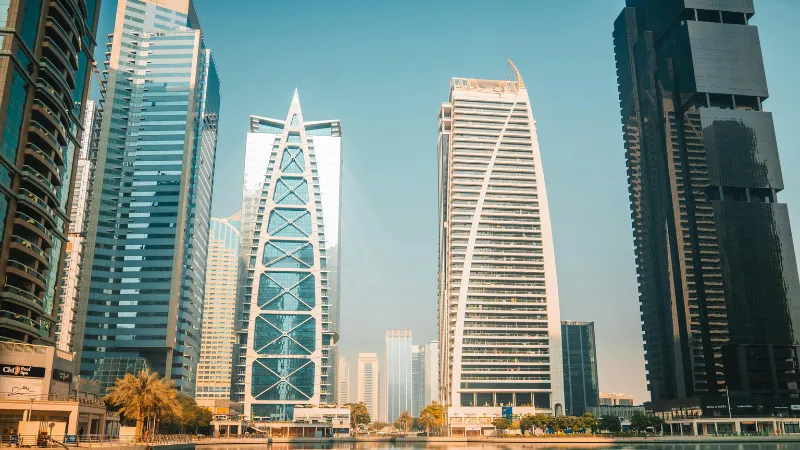
Dubai’s housing market grew fast. It focused on scale, speed, and visibility. Luxury meant size. Affordable meant compromise.
 Follow us
 Follow us
That split created a gap.
Buyers had two choices. Pay high prices for premium homes or accept lower quality at lower cost. There was little in between.
That gap is now the biggest opportunity in the market.
RECOMMENDED FOR YOU



Property Finder data shows that mid-range housing demand increased by over 35% in 2024. The demand is clear. Buyers want quality without excess.
Accessible luxury is the response.
What Accessible Luxury Actually Means
Not Cheap. Not Excessive. Just Smart
Accessible luxury is not about cutting corners. It is about cutting waste.
It focuses on design, efficiency, and comfort. It removes unnecessary features that increase cost without improving daily life.
A well-designed home feels premium without being oversized.
As Nitin Bhatnagar Dubai once shared during a walkthrough, “We removed one unused hallway and gained usable space. That change made the apartment feel bigger without adding cost.”
That is the core idea.
Comfort Drives Perception
Luxury is no longer defined by price alone. It is defined by how a space feels.
Temperature stability. Noise control. Natural light.
These factors shape daily experience more than size.
Buyers remember comfort. They forget square footage.
Why the Middle Market Is Growing Fast
Demographics Are Shifting
Dubai’s population includes more long-term residents now. Professionals. Entrepreneurs. Families.
These groups want stability. They want homes that support daily life.
They also want value.
Bayut reports that nearly 45% of property transactions now fall into the mid-range segment. That share continues to grow.
Cost Awareness Is Rising
Buyers now look beyond purchase price. They consider operating costs.
Energy bills. Maintenance. Repairs.
Homes that cost less to run feel more affordable over time.
Accessible luxury aligns with this thinking.
Design Is the Biggest Lever
Layout Over Size
Good layouts reduce wasted space.
Open plans remove unused corridors. Multi-use rooms increase flexibility. Built-in storage reduces clutter.
These choices improve usability without increasing cost.
A smaller, efficient home often feels better than a larger, poorly planned one.
Light and Flow
Natural light improves mood and reduces energy use.
Homes designed to capture daylight can reduce lighting needs by up to 25%, according to building efficiency studies.
Flow matters just as much. Movement should feel natural.
When spaces connect well, homes feel larger and calmer.
Materials That Deliver Value
Durability Over Showpieces
Accessible luxury favors materials that last.
Engineered surfaces resist heat. Matte finishes hide wear. Quality fittings reduce maintenance.
The UAE Green Building Council estimates that durable materials can reduce lifecycle costs by up to 20%.
Luxury that breaks quickly creates frustration.
Local Sourcing Helps
Local materials reduce cost and supply delays.
They also support regional economies and reduce transport emissions.
This approach improves both affordability and sustainability.
Sustainability Is Part of the Equation
Efficiency Reduces Cost
Cooling is a major expense in Dubai.
DEWA reports that cooling can account for over 60% of household energy use.
Efficient insulation and smart cooling systems reduce this burden.
Lower bills improve affordability over time.
Water Use Matters Too
Low-flow fixtures and smart irrigation reduce water consumption.
The UAE Ministry of Energy states that modern systems can reduce water use by up to 50%.
These savings add up quickly.
Technology That Works Quietly
Accessible luxury avoids complexity.
Buyers want systems that are easy to use and reliable.
Motion sensors. Smart thermostats. Simple access controls.
Knight Frank research shows that buyers prefer ease of use over feature quantity by a 2:1 margin.
Technology should support life, not complicate it.
Community Design Adds Value
Shared Amenities Replace Excess
Accessible luxury shifts focus from private excess to shared value.
Rooftop lounges. Small gyms. Green spaces.
These features create lifestyle benefits without increasing individual unit cost.
Walkability Improves Daily Life
Communities designed for walking reduce reliance on cars.
They improve health and reduce costs.
Homes in walkable areas show 15–20% stronger long-term value stability, based on market data.
Community is part of the product.
Challenges Still Holding the Market Back
Upfront Cost Concerns
Some efficient systems cost more initially.
Developers often hesitate.
Long-term savings offset these costs. The challenge is perception.
Short-term thinking slows adoption.
Buyer Education
Not all buyers understand accessible luxury yet.
Some still focus on size and visible features.
Clear communication helps. Show real savings. Show comfort benefits.
Understanding drives demand.
Actionable Steps for Developers
1. Design for Real Life
Study how people live. Build around daily routines.
2. Standardize Smart Solutions
Repeat proven layouts and materials. Reduce variation.
3. Focus on Long-Term Performance
Energy efficiency and durability matter after handover.
4. Communicate Value Clearly
Explain operating costs and benefits.
5. Target the Middle Market
Demand is strongest in this segment.
Actionable Steps for Buyers
Buyers influence the market.
Ask about energy use.
Ask about maintenance costs.
Ask about layout efficiency.
Ask how the home feels at different times of day.
Choose homes that work well, not just look impressive.
Where the Market Is Heading
Dubai is moving toward balance.
Not extreme luxury. Not basic housing.
Homes that combine design, comfort, and efficiency.
Accessible luxury will define the next phase of development.
Developers who adapt will lead. Buyers who choose wisely will benefit.
Final Thoughts
Accessible luxury is not a compromise. It is an upgrade.
It removes waste. It improves comfort. It supports long-term value.
The future of Dubai’s housing market is not about building bigger.
It is about building better.
Recommended Stories for You

Team SR Jan 22, 2026

Team SR Feb 19, 2026
Team SR Jan 30, 2026

Team SR Oct 16, 2025

Team SR Mar 23, 2026
Trending Stories

How In-App Communities Turn Engagement into Revenue

Why a Security-First Culture Matters in Early-Stage Companies

Connecting Your Monitor with Reliable Video Quality

Top Tips for Building Up Your Welding Business

The 5 Best Three Pocket Apron Brands For Your Hospitality Business

Designing Work Around Life: Rethinking Flexibility in Global Teams

How Structured Data and Local Signals Work Together to Boost Visibility

What Is an Online Business Networking Platform and How Does It Work?