

 Follow us
 Follow us
The launch page is scheduled, the copy is approved, and the new clip shows a feature the product does not have. At that point, visual polish has become a release risk. A startup can use ai generated video to explore several directions quickly, but every export entering the launch queue still needs a named claim, channel, and owner. Otherwise the time saved during creation returns as copy changes, delayed approvals, and last-minute rework.
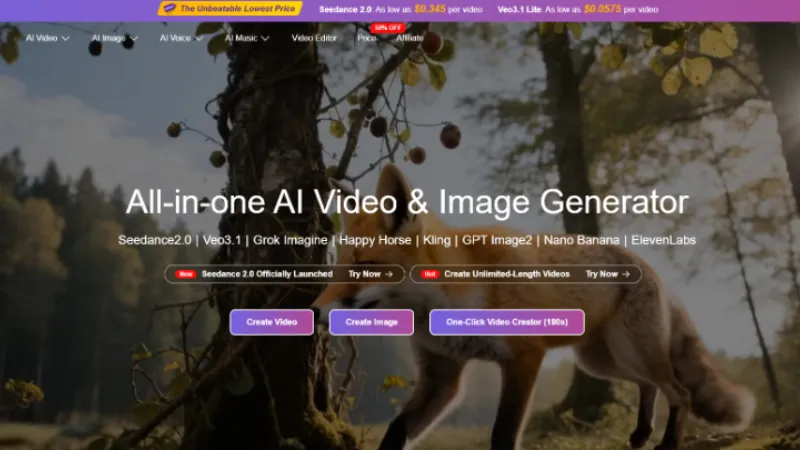
The Viddo AI workspace brings video, image, music, and voice tools together, with model choice, prompt or media input, adjustable parameters, and a Generate step. That makes exploration easier to organize, but it does not decide what counts as an acceptable business asset. A small team still needs an acceptance gate that connects every generation to a named claim, channel, and owner.
Start With The Business Claim Behind Each Clip
Early-stage teams often ask for “a launch video” as if that were one deliverable. It may actually contain three different claims. The product sequence says how the software works. The customer scene suggests who benefits. The final frame promises a result. If a generated shot changes any of those claims, visual polish cannot rescue it.
The simplest intake rule is to write one sentence that the clip must make easier to understand. That sentence becomes the review reference. A founder can then reject a dramatic scene that adds an unsupported capability, even if the motion looks better than the accurate version. This prevents taste from outranking truth.
Name The Audience And Their Next Decision
An investor needs evidence that a market problem is real. A new customer needs to understand the first useful action. A job candidate needs a believable picture of the team. These viewers should not receive the same cut with a different caption. The intended decision changes the footage that deserves generation credits and the footage that can be removed.
For example, a product launch clip may need one legible interface action and a restrained outcome. A recruiting post may need workplace atmosphere but no invented office, employee, or customer. When the audience and decision are explicit, the team can spot a mismatch before anyone spends an afternoon reworking transitions.
Separate Exploration From Assets Ready For Distribution
Generation work becomes expensive when every draft is treated like a near-final asset. Early exploration should answer broad questions: does this visual direction fit the product, can the story work in a short format, and is the chosen input strong enough? Distribution review asks stricter questions about accuracy, rights, watermarks, readability, and channel dimensions.
Viddo AI makes that separation visible. Free-plan generations carry a watermark, while watermark-free output and commercial use require a paid subscription. A team can therefore label free output as exploration and keep it out of paid campaigns. The label is more than housekeeping. It stops a rough concept from reaching a social scheduler simply because it looks finished in a small preview.
RECOMMENDED FOR YOU


Use Four Labels Instead Of One Draft Folder
A lightweight status system is enough for a startup. It does not need another project-management layer. Each file can carry one of four labels:
- Question: the team is still deciding what the clip should communicate.
- Explore: the prompt or reference is being tested, with no publishing approval.
- Review: the story is fixed and accuracy, rights, crop, and audio are being checked.
- Release: an owner has approved the exact export for one named channel.
The cost signal appears when a file moves backward. If Review returns to Question, the brief was unclear. If Release returns to Explore, the team promoted visual taste too early. Those backward moves create rework, and they reveal where the process needs repair.
Route Models By Risk Instead Of Novelty
A long model menu can encourage browsing without a decision rule. Startups rarely need a permanent favorite model for every job. They need a reason to choose one route for a particular risk. A scene built around physical movement, a narrated product explanation, and a style-consistent series place different demands on the generator.
The model choice should follow the failure that would damage the clip most. If identity drift would undermine a recurring character, consistency matters more than spectacle. If dialogue carries the explanation, audio alignment becomes part of the acceptance gate. If the output will be cropped for several feeds, composition and safe areas matter before fine texture.
Write The Rejection Signal Before Generating
A useful rejection signal is visible and binary enough for another teammate to apply. Replace “looks professional” with “the product name remains readable at the final mobile crop.” Other strong checks include “the hand does not merge with the device,” “the narrator does not claim an unavailable feature,” and “the final frame leaves room for the real call to action.”
Teams can use Viddo AI to compare routes inside the same workspace, but comparison only helps when the input and rejection signal remain stable. Otherwise each new model produces a new brief, and nobody knows whether a better result came from the model, the prompt, or a softer standard.
Build A Two Pass Acceptance Gate
The first pass should protect meaning. The second should protect distribution. Combining them in one meeting makes visual preferences compete with factual corrections, while the person who knows the product may not know the platform specifications. Two short passes assign the right question to the right owner.
Pass one checks the business claim, the order of events, and any visible text, people, products, or outcomes. A warped label, an invented control, or an impossible sequence is discarded here. Pass two places the surviving file in its real crop and checks watermark status, commercial eligibility, audio, captions, and final-frame readability.
The official creation path supports this discipline: select an appropriate model, enter a prompt or upload media, choose the relevant parameters, then generate and review the result. The interface can supply ratios such as 16:9 or 9:16 and resolutions up to 1080p on the displayed workflow, but a startup should pick only the settings required by the release channel rather than maximizing everything by habit.
On the acceptance sheet, each ai generated video export should be attached to the claim it is allowed to communicate and the channel where it will run. Record the approved file rather than the prompt alone, because an instruction cannot prove that the resulting frame preserved the intended meaning.
The record also protects the next campaign. A later teammate can reuse the acceptance logic without assuming that a successful visual direction makes every new generation publishable.
Make Acceptance Faster Than Repeated Creative Debate
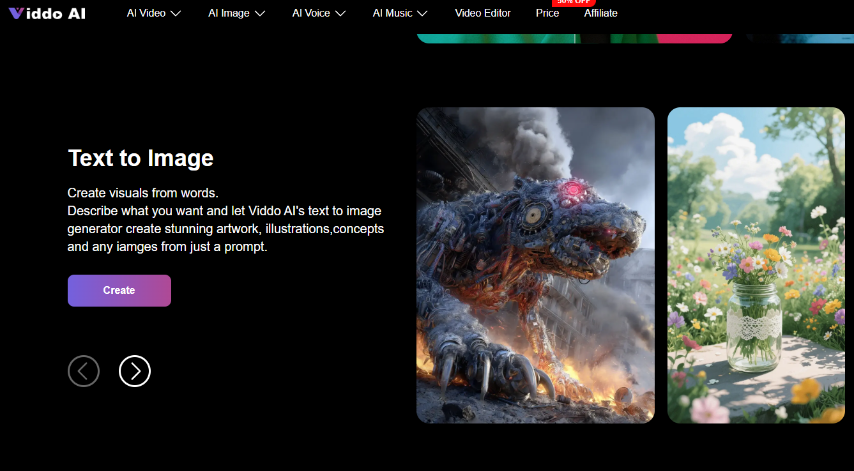
For a small startup, Viddo AI is most useful when it shortens the path from idea to a reviewable asset. It cannot replace the moment when someone owns the business meaning and says what the clip is allowed to imply. That responsibility becomes more important as generation becomes easier.
A practical acceptance gate is deliberately small: one claim, one audience decision, one rejection signal, and two review passes. It gives founders room to explore without letting exploratory footage quietly become company evidence. The payoff is not merely faster creation. It is fewer clips sent back after the team has already written the launch copy, booked the campaign slot, and treated the visual as finished.
Recommended Stories for You

Team SR Aug 21, 2026


Team SR Jan 15, 2026

Team SR Nov 26, 2025

Team SR Sep 8, 2026
Team SR Aug 20, 2026
Trending Stories

Why UK Startups Need Better Access to Legal Documents as They Scale
Is Gamification as a Service the Next Major Battleground for Startups?

Top 10 Backlink Agencies Businesses Trust for Real Authority

How Local Taxi Services Help Keep Highland Tourism Moving
Are Working Students the Quietest Demographic Relying on the Essay Writing Service EssayService.com?

Building a Startup While Still in University: A Practical Guide

What to Know Before Adding Battery Storage to Your Home

How to choose between growing your team and improving your process