

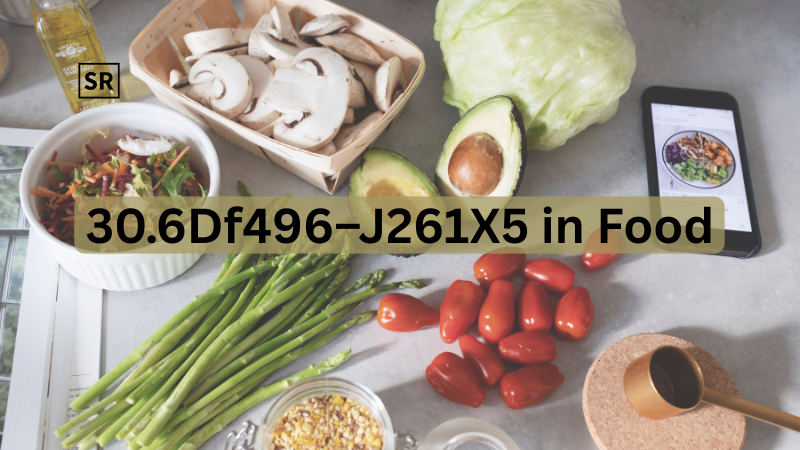
30.6Df496–J261X5 in the context of food can be understood as a hypothetical or placeholder identifier used to represent an experimental additive, compound or ingredient whose properties are still under study. In food science, alphanumeric codes like this are often assigned to substances during early research phases before they receive official names or regulatory classifications. If such a compound were examined for food-related applications, researchers would likely focus on its solubility, stability, taste impact, nutritional value and interactions with common food components such as water, fats and carbohydrates.
 Follow us
 Follow us
They would also evaluate how it behaves under conditions like heat, pH changes, and processing environments. Depending on its molecular nature whether polar, nonpolar, or amphiphilic it might serve functions such as enhancing texture, stabilizing emulsions, improving shelf life, or delivering nutrients. However, without verified data, 30.6Df496–J261X5 remains an abstract experimental label, and any potential use in food would require rigorous testing for safety, digestibility, allergenicity, and regulatory approval before it could ever be introduced into consumer products.
What is 30.6Df496–J261X5?
30.6Df496–J261X5 is not a known substance, chemical, food additive, or scientific compound. Instead, it appears to be a placeholder-style alphanumeric code, the kind often used in technical, experimental, or early-stage research contexts where a substance, item, or data point has not yet been formally named.
Codes like this are typically used for:
RECOMMENDED FOR YOU


- Prototype or experimental compounds in chemistry or food science
- Internal database identifiers
- Research materials under study
- Early-stage formulations before regulatory naming
- Digital or system-generated reference numbers
There is no official documentation or recognized meaning for the code 30.6Df496–J261X5, so it should be interpreted as a hypothetical or internal research ID, not a confirmed ingredient, material or product. If used in discussion, it serves as a conceptual placeholder for an unidentified or theoretical compound.
30.6Df496–J261X5 in Food: The Mysterious Code Behind Your Kitchen Ingredients
Whenever a new food ingredient appears, the first thing food scientists and safety experts do is check official databases. These global registries act like strict gatekeepers, making sure that anything people eat has been tested, approved, and proven safe.
A Search with No Results
To understand what this code means, we need to look in the right places. Major food authorities keep detailed lists of approved additives, including:
- The U.S. FDA, which maintains the “Generally Recognized as Safe” (GRAS) list
- The European Food Safety Authority (EFSA), which oversees food standards in the EU
- The Codex Alimentarius, an international set of food standards created by the FAO and WHO
Searching these databases for 30.6Df496–J261X5 turns up absolutely nothing. It does not appear as a food additive, preservative, color, or flavor. This lack of official recognition is an important warning sign. Real food additives have standardized names or “E-numbers” (for example, E300 for Vitamin C). This code doesn’t match any official naming system.
So What Is It?
The most reasonable conclusion is that 30.6Df496–J261X5 is not a food ingredient at all. The format looks more like an internal or technical code, such as:
- A manufacturing lot or batch number
- A part or model number for equipment
- A laboratory testing code used only for research
Some people speculate it could refer to a material used in cookware something like a special non-stick coating. In that case, it might be connected to the tools used in the kitchen, but definitely not the food itself. Think of it like Teflon: it’s on the pan, not in the pancake.
The Risks of Cooking with an Unknown Substance
The idea of putting an untested substance into your food might sound curious or fun, but it can be very dangerous. Today’s food safety system depends heavily on clear information knowing exactly what an ingredient is, where it comes from, and whether it has been tested. Without this transparency, the risk of illness or injury increases significantly.
Possible Health Risks
Using a mysterious substance in your cooking can lead to serious problems. Industrial chemicals or materials that were never meant to be eaten can become toxic, especially when heated.
- Poisoning: Industrial solvents, plastics, or other unknown materials may cause immediate sickness or long-term health damage if ingested.
- Breakdown During Cooking: When heated, unfamiliar substances can break apart and release harmful chemicals, toxic fumes, or dangerous residues on your food.
- Allergic Reactions: People may experience allergic responses, ranging from mild skin irritation to severe, life-threatening anaphylaxis.
Since there is no information about what 30.6df496–j261x5 is made of or whether it is safe, adding it to food would pose major health risks. The absence of reliable data isn’t harmless it’s a clear warning sign.
How a Random Code Turns into a Trend Through Misinformation
It is very likely that this whole idea started with a simple mistake. Someone may have shared a screenshot of a technical document without context, or an AI content generator might have picked up a random code and incorrectly labeled it as a food ingredient.
Once that happens, the cycle of misinformation takes over:
- Initial Spark:
A post appears on a forum or social media site mentioning the code. - Amplification:
Small blogs and content mills, eager for trending topics, start writing about it. Many don’t fact-check and may even invent “benefits” or “risks” just to attract clicks. - Viral Spread:
The topic reaches platforms like TikTok and Reddit where it becomes a mystery or a so-called “secret ingredient.” With each comment, reaction, and repost, it starts to look more legitimate to anyone seeing it.
This kind of phenomenon isn’t new. The internet has a long history of promoting fake miracle supplements and dangerous DIY trends. What makes this case unusual is that a plain, technical-looking code was mistaken for something edible, showing a surprising gap in public understanding of food safety and labeling.
Your Simple Guide to Eating Safely and Making Smart Food Choices
Sorting through the huge amount of information online requires a healthy dose of skepticism and a habit of double-checking what you read. As a consumer, you have the power to protect yourself and your family from misinformation by knowing how to verify what’s true and what isn’t.
How to Check Food Ingredients
If you see an ingredient you don’t recognize don’t rely on a social media post or a random blog. Instead, use trustworthy sources:
- Read Labels Carefully: Look for clear ingredient names you understand. Stick to items with recognized terms.
- Use Official Databases: Check resources like the FDA, EFSA, or your country’s food safety agency to confirm whether an additive is approved.
- Trusted Health Sources: Rely on information from the WHO, reputable universities, or certified dietitians who provide evidence-based guidance.
Red Flags to Look Out For
You can spot misinformation more easily by learning what warning signs to watch for:
- Strange or unfamiliar ingredient names that don’t mean anything
- Grand claims like “miracle ingredient for weight loss”
- Personal stories instead of scientific evidence
- AI-generated recipes that include suspicious or unrecognizable items
When you’re unsure, stick to what’s proven and familiar. If you can’t trace an ingredient back to a reliable source, it has no place in your kitchen.
Conclusion
The story of “30.6df496–j261x5 in food” is more than just a weird internet rumor it shows how quickly misinformation can spread online. The code itself is harmless and is likely just a simple label used for a machine part or a factory batch. But once it appeared in food-related discussions without context people started believing it was something dangerous. This shows how easily confusion can turn into fear when information is unclear.
In the end, this mystery reminds us of an important truth: food safety isn’t a trend it’s a science built on years of research, rules, and clear testing. But in today’s world, where anyone can post anything, it’s our responsibility to be smart readers. By asking questions, checking sources, and looking for real evidence instead of hype, we can keep our kitchens safe and avoid falling for false claims about “mystery ingredients.”
Recommended Stories for You

Startup Rise Feb 7, 2025

GlaxoSmithKline (GSK) Share Price Prediction (2025-2030): Expert Analysis & Predictions
Kailee Rainse Mar 19, 2025

Kailee Rainse Jul 31, 2025



Trending Stories
Eqtec Plc Share Price Prediction (2025–2030): Expert Analysis & Predictions
Pod Point Group Holdings Plc Share Price Prediction (2025–2030): Expert Analysis & Predictions

Best Names for Newborns in Denmark

Threadality Technologies and Their Impact on the Modern Business World

Kingfisher Share Price Prediction 2025, 2026 to 2030 – Expert Analysis

SohoHindipro net: Trendy Bios and Creative Status Updates

Trustpilot Group Share Price Prediction (2025-2030): Expert Analysis & Predictions

Bio‑Sustainable Future Enterprises Share Price Prediction (2025–2030): Expert Analysis & Predictions