

Media #PhoneDeckNet: Complete Guide to Understanding It
May 1, 2026 | By Kailee Rainse
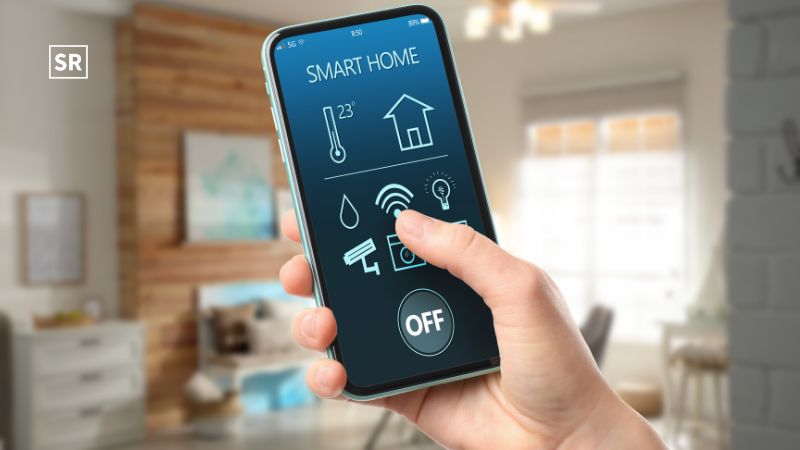
Hey there! Imagine your phone is like a small magic box that holds endless fun things pictures, short videos, stories, jokes, and even learning cards. Instead of everything being messy or hard to find, all these things are arranged neatly like a deck of cards you can swipe through. That simple idea is what people refer to as media #PhoneDeckNet. It is a way of thinking about how digital content is organized, shared, and enjoyed on mobile phones in a fast and easy format.
 Follow us
 Follow us
This idea is important because almost everyone today uses phones for everything watching videos, chatting with friends, reading news, and learning new skills. When media is not designed properly for phones, it can feel slow, confusing, or hard to use. Media #PhoneDeckNet tries to fix that by making content feel smooth, simple, and mobile-friendly, like flipping through a well-organized set of digital cards.
What Does Media #PhoneDeckNet Mean?
To understand it easily, we can break it into parts. “Media” means all the digital content we see online, such as photos, videos, text posts, music, and graphics. The “#” symbol works like a tag that helps group similar ideas together so people can find them quickly. “Phone” shows that this concept is mainly designed for mobile devices which are small but powerful. “Deck” means a stack or collection like cards arranged one after another. Finally, “Net” refers to the internet or digital network that connects everything together.
So, media #PhoneDeckNet simply means organizing online content into neat, swipeable, phone-friendly collections that are easy to view, share and interact with. Instead of scrolling through long pages, users can move through clean sections one by one, just like flipping cards.
RECOMMENDED FOR YOU


Italy – Democracy Country, Population, Economy and Business Growth
Kailee Rainse
Jul 28, 2025

Synthesia Business Model: How the AI Video Platform Makes Money
Oliver Bennett
Aug 26, 2026
Why Phones Changed How We Use Media
Years ago, most online content was designed for computers with large screens. Websites were wide, images were big and reading was done mostly with a keyboard and mouse. But when smartphones became popular, everything changed.
Phones are small, always with us, and controlled by touch. Because of this, content had to become faster, lighter, and easier to scroll. Large pages didn’t work well anymore. That is where ideas like media #PhoneDeckNet became useful it helped reshape content into mobile-first formats that fit perfectly on small screens.
How Media #PhoneDeckNet Makes Content Easy to Use
One of the biggest benefits of this idea is simplicity. Instead of long pages or heavy files, content is broken into small “cards” or sections. Each card focuses on one idea, image, or video.
For example, a travel story might show one card per location. You swipe through each place like pages in a storybook. A learning deck might show one simple fact per card, making it easier to remember. This makes the experience feel smooth, interactive, and engaging.
Easy Sharing and Better Connectivity
Another important feature of media #PhoneDeckNet is sharing. With traditional content, sending large files or long links could be slow or complicated. But with this approach, a full collection of media can be shared instantly through a single link or tag.
This makes it easier for friends, families, and communities to stay connected. For example, someone can create a photo deck of a birthday party and share it instantly with everyone. Each person sees the same clean, organized experience on their phone.
Features of Media #PhoneDeckNet
There are a few important qualities that make this concept effective:
- Fast loading content designed for mobile devices
- Simple swipe or tap navigation like flipping cards
- Clean layouts that avoid clutter
- Easy readability on small screens
- Smooth sharing through links or tags
- Flexible structure for stories, learning, or entertainment
These features help make digital content more user-friendly and enjoyable.
Uses of Media #PhoneDeckNet
This idea is used in many ways in daily life. Teachers may use it to create simple lesson decks for students. Families use it to share memories like photo collections. Content creators use it for storytelling, tutorials, and social media posts.
Even news and educational platforms can use this format to present information in smaller, easier sections instead of long articles. This helps people understand information faster without feeling overwhelmed.
Why This Format Is Different
Unlike traditional posts that show everything at once, media #PhoneDeckNet divides content into small connected parts. This gives users more control over how they explore information.
You can move forward, go back, or pause at any point. It feels more interactive, like exploring a story at your own pace instead of reading a long page all at once.
Future of Media #PhoneDeckNet
The future of media #PhoneDeckNet will likely focus on making digital content even faster, simpler and easier to use on mobile phones. As more people use smartphones for everyday activities like learning, entertainment, and communication, there will be a bigger need for content that works smoothly on small screens. In the future, media #PhoneDeckNet may become more advanced and interactive. Instead of just simple swipeable decks, the content may adjust automatically based on what users like, how long they stay on each card and what they interact with most. For example, a deck could change its order, style or length to match a user’s interests. It may also include richer features like short videos, voice explanations and small animations that make the content more engaging without making it slow. With better internet speed and improved mobile technology, these decks could load almost instantly, even with high-quality media. Sharing content will also become easier. Users may be able to send complete decks to friends or groups with just one tap across different apps and platforms, making communication faster and more convenient.
Conclusion
PhoneDeckNet represents a modern way of organizing and sharing digital content in a simple, mobile-friendly format. It focuses on turning information such as images, videos and text into easy-to-swipe “decks” that work smoothly on smartphones. This makes it easier for people to view, understand and share content without dealing with long pages or complicated layouts. As mobile usage continues to grow, this type of format is likely to become even more important. It helps improve speed, clarity, and user experience by making digital content more structured and accessible. Whether used for learning, storytelling, entertainment, or communication, media #PhoneDeckNet offers a clear and user-friendly way to interact with online content. It reflects the future direction of digital media simple, fast and designed first for mobile users.
FAQs
What is Media #PhoneDeckNet?
Why is it called PhoneDeckNet?
How does Media #PhoneDeckNet work?
Is Media #PhoneDeckNet the future of digital content?
Where is Media #PhoneDeckNet used?
Recommended Stories for You

Kailee Rainse Apr 27, 2026

Kailee Rainse Jun 8, 2026

Team SR Jun 13, 2025
Kailee Rainse Apr 17, 2026
Team SR Aug 9, 2025

Trending Stories

How to Become a Freelancer in 2026: A Step-by-Step Guide

ImmuPharma Share Price Prediction (2025–2030): Expert Analysis & Predictions
Best PayPal Alternatives for Freelancers in the UK 2026

EnergyPathways Share Price Prediction (2025-2030): Expert Analysis & Predictions

Ilika Plc Share Price Prediction (2025–2030): Expert Analysis & Predictions

Invinity Energy Share Price Prediction (2025–2030): Expert Analysis & Predictions

10 Best t-shirt brands for custom printing in 2026
DualMedia News Innovation: What the Experts Aren’t Sharing